10-10-10 Fertilizer
Hi guys i’m Bilal, i spend most of my time observing plants, touching the soil, and understanding what each plant truly needs to grow well. One thing I have learned over the years is that fertilizers play a very important role in plant health. Even strong plants like the money plant sometimes slow down, lose color, or stop growing new leaves. When that happens, the right fertilizer can make a big difference.
In this article, I want to share my knowledge and personal experience with 10-10-10 fertilizer, also known as a balanced fertilizer.
I will explain what it is, how it works, and how you can use it in a safe and effective way on your money plant. Many beginners feel confused when they hear about numbers like “10-10-10,” but I will break everything down here.
What Does 10-10-10 Fertilizer Mean?
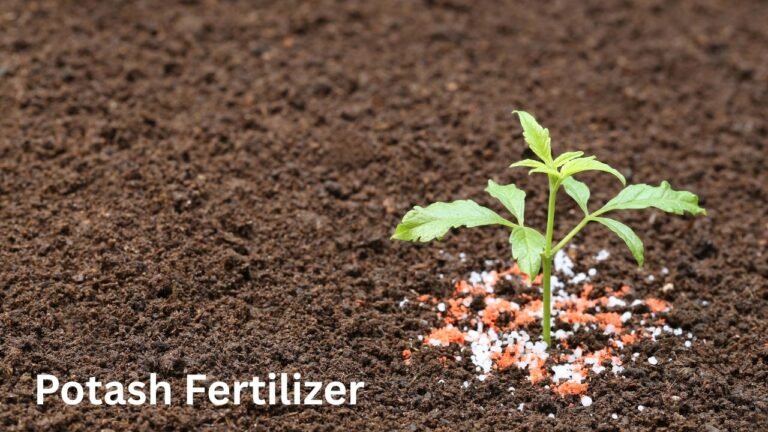
As a horticulturist, I always tell people that before using any fertilizer, you should understand what those numbers on the packet mean. NPK stands for Nitrogen (N), Phosphorus (P), and Potassium (K). These three are the main nutrients every plant needs.
When we say npk 10-10-10 fertilizer, it simply means the fertilizer has:
- 10% Nitrogen (N)
- 10% Phosphorus (P)
- 10% Potassium (K)
This is called a balanced fertilizer, because all three nutrients are present in equal amounts.
Nitrogen helps the money plant grow lush, green leaves.
Phosphorus supports strong root development.
Potassium improves overall plant strength and immunity.
This equal balance of nutrients is important because it supports general plant growth, not just one specific area. That’s why this fertilizer can be used at many stages of plant development — from early growth to regular maintenance. For money plants, this balance helps keep the leaves healthy, shiny, and green.
What is 10-10-10 Fertilizer Good For?
Many people ask me, “What is 10-10-10 fertilizer good for?” Let me explain based on my gardening experience.
This fertilizer works best when your plant needs overall support, not just one nutrient. It is especially helpful for:
Slow or weak growth
Light-colored or pale leaves
New shoots not appearing
Plants that need a general health boost
For indoor money plants, it works well during the active growing season — mainly spring and summer. During these months, your plant absorbs nutrients more easily, and you will notice new leaves, stronger vines, and a more vibrant look.
For outdoor money plants, 10-10-10 fertilizer works beautifully when the plant is exposed to good light and warm temperature. Outdoor plants usually grow faster and appreciate the balanced nutrients.
However, I always give a safety note:
Avoid using this fertilizer on very young or delicate plants.
The nutrients are strong, and young roots may get shocked. For delicate plants, start with a mild, diluted dose or use organic options first.
This fertilizer is great for general vegetative growth, but like everything in gardening, balance and timing matter. When used properly, it can help your money plant stay strong and full of life.
Types of 10-10-10 Fertilizers Available
As a gardener and horticulturist, I always suggest choosing a fertilizer form that matches your plant’s needs. 10-10-10 fertilizer comes in a few simple types:
Granular Form – Slow Feeding
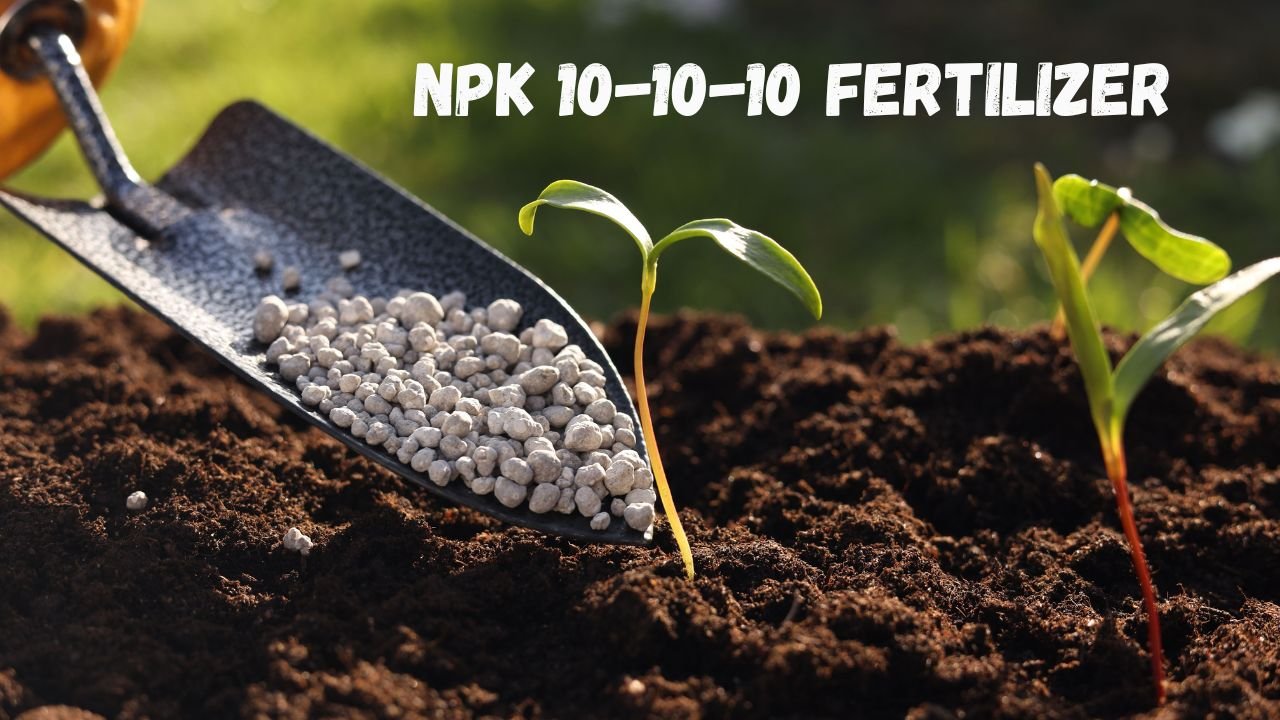
Granular 10-10-10 comes in tiny pellets. It releases nutrients slowly, which is good if you want long-lasting feeding without applying too often.
Slow Release 10-10-10 Fertilizer
This version breaks down over several weeks. It helps avoid overfeeding and gives steady nutrition — great for outdoor money plants.
Liquid 10-10-10 Fertilizer
Liquid fertilizer works fast. You mix it with water and feed your plant. It’s perfect when your money plant looks dull or needs a quick boost.
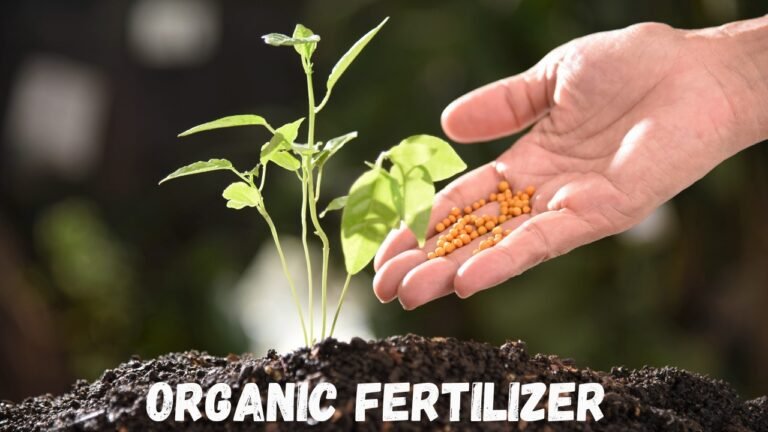
Organic 10-10-10 Fertilizer
Organic options are gentle and eco-friendly. They support healthy soil and are safer for indoor money plants.
The Best 10-10-10 Fertilizer — What I Recommend
Choosing the best 10-10-10 fertilizer depends on your plant and growing conditions.
- Indoor money plants: liquid or organic versions work best.
- Outdoor money plants: granular or slow-release types are more suitable.
- Soil type: heavy soil → liquid; light soil → granular or slow release.
- Chemical vs organic: chemical gives quick results; organic improves soil health.
From my horticulture experience, I prefer mild liquid feed for quick growth and organic options for long-term health.
How Often to Apply 10-10-10 Fertilizer
As a horticulturist, I always remind people that the right timing matters as much as the fertilizer itself. A proper feeding schedule keeps your money plant healthy without stressing it.
Feeding Schedule
Use 10-10-10 fertilizer once every 30–40 days during the growing season. A small dose goes a long way.
Active vs Dormant Season
- Active season (spring & summer): Your money plant grows faster, so it absorbs nutrients well. This is the best time to feed.
- Dormant season (autumn & winter): Growth slows down. Avoid feeding or give a very light dose.
Indoor Plants vs Outdoor Plants
- Indoor money plants: Feed less often because they grow slower. Use diluted liquid fertilizer.
- Outdoor money plants: They grow faster, so they can handle normal feeding once a month.
When to Reduce Feeding
If the plant looks stressed, overwatered, or its soil is too dry, reduce feeding. Always feed moist soil, never dry soil.
Is 10-10-10 Fertilizer Good for Lawns?
Many gardeners ask me, “Is 10-10-10 fertilizer good for lawns?” Yes, it can be — but with care.
Lawn-Specific Use
Lawns need balanced nutrients for thick green grass. The equal NPK ratio helps maintain steady growth and improves overall lawn health.
Grass Response
Grass responds quickly to nitrogen, so the balanced 10-10-10 formula encourages greener and stronger blades without over-pushing one nutrient.
Precautions for Summer Heat
Avoid applying 10-10-10 fertilizer on lawns during very hot summer days. High heat plus fertilizer can burn the grass. Apply early morning or late evening and always water afterward.
Used correctly, this fertilizer can help both your lawn and money plant stay healthy and vibrant.
My Personal Tips as a Gardener
As a gardener and horticulturist, I believe every plant has its own “language.” Before feeding your money plant with 10-10-10 fertilizer, take a moment to observe it carefully.
Look at the leaf color, new growth, and overall energy of the plant. If the leaves look healthy and shiny, don’t rush to fertilize. Plants don’t need fertilizer all the time.
Always check soil moisture before feeding. Fertilizer should never be applied to completely dry soil — it can shock the roots. Make sure the soil is slightly moist, and the pot has good drainage so extra water can flow out.
Organic Alternatives
Sometimes it’s better to avoid synthetic fertilizer, especially if your weak plants, newly repotted, or recovering from stress. In such cases, choose gentle and natural feeding methods.
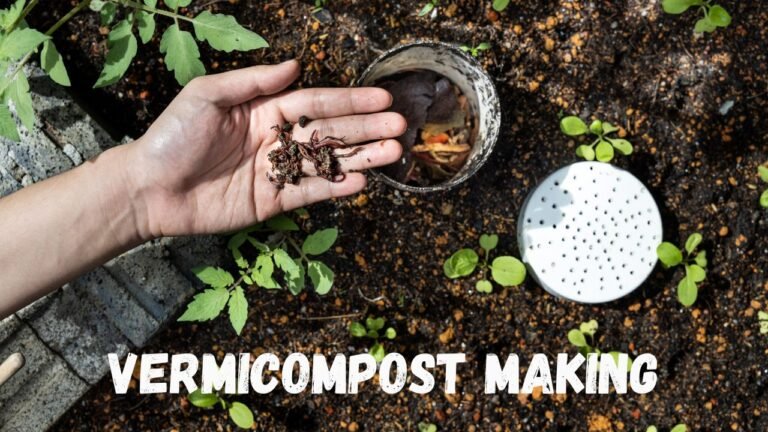
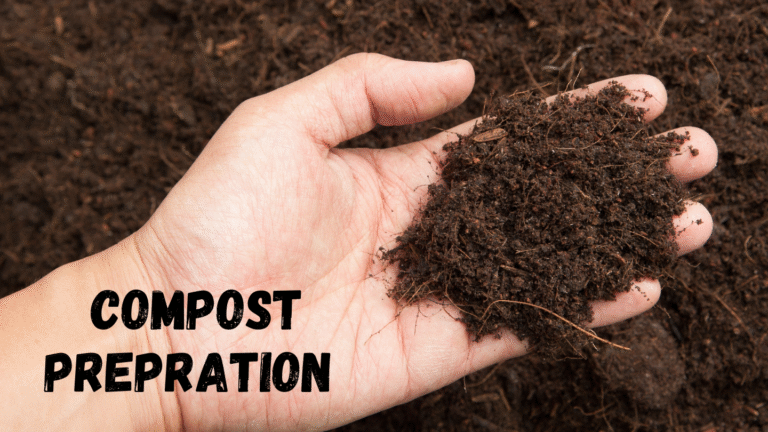
You can use vermicompost or worm compost in a small amount to improve soil health. They are mild, safe, and add natural microorganisms that help the plant grow steadily. A little organic matter mixed with the soil works slowly but supports long-term growth.
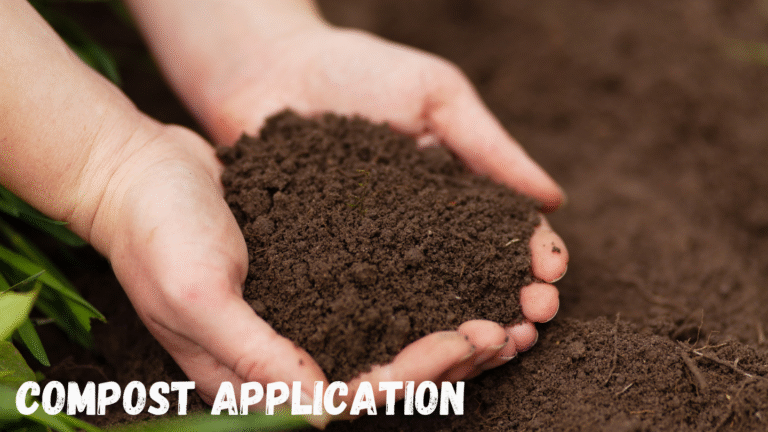
Homemade options like banana peel water, compost tea, or diluted kitchen waste compost can also be used. These natural boosters improve soil structure and help roots stay strong and active.
Organic feeding improves the soil day by day and creates a healthier growing environment. It may not give instant results like chemical fertilizer, but it supports your money plant’s overall life, strength, and beauty in the long run.
Conclusion
Caring for a money plant is a joyful experience, and using the right fertilizer can make a big difference in its growth and health. 10-10-10 fertilizer, whether in granular, liquid, or organic form, provides a balanced mix of nitrogen, phosphorus, and potassium, essential nutrients that support strong roots, vibrant leaves, and overall plant vitality.
By understanding what 10-10-10 fertilizer is good for and choosing the right type for your plant and soil, you can give your money plant exactly what it needs.
Remember to feed your plant according to its growth stage, the season, and whether it’s indoors or outdoors. Observe the plant carefully, check soil moisture, and avoid overfeeding.
For those who prefer a gentler approach, organic 10-10-10 fertilizer or natural alternatives like vermicompost or compost tea provide long-term benefits and improve soil health naturally.
With the right care, balanced feeding, and a little attention to detail, your money plant will thrive beautifully, bringing lush green leaves and a healthy, vibrant presence to your home or garden. Fertilizer is not just about faster growth — it’s about supporting a strong, resilient, and happy plant.