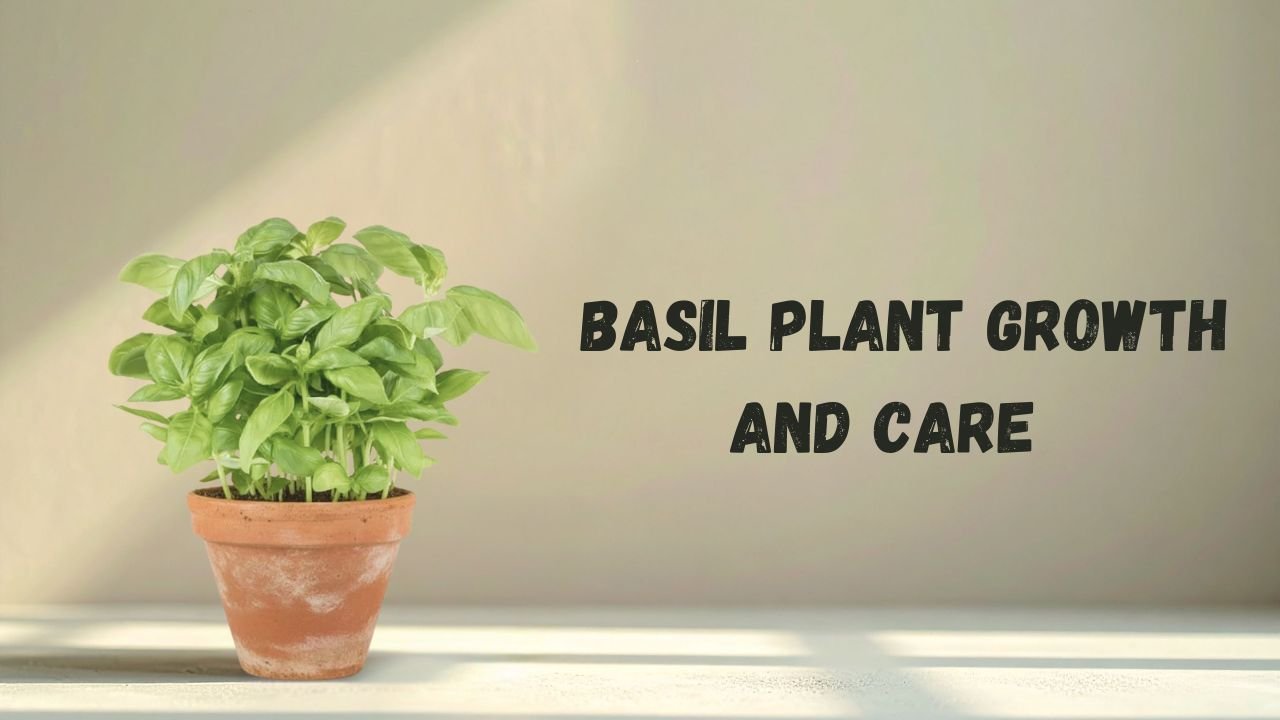
How to Care and Grow Basil
Basil has always held a special place in my garden. With its fresh, spicy scent and bright green leaves, it instantly lifts the mood of any space.
Over the years, caring for plants has become more than just a hobby for me, it’s a part of my life. My background has deepened my appreciation for how a simple herb like basil can connect nature, flavor, and well-being.
Basil isn’t just a pretty plant, it’s one of the most versatile and beneficial herbs you can grow. It’s packed with vitamins A, K, and C, along with antioxidants that support good health.
In the kitchen, basil adds a delightful flavor to pasta, salads, soups, sauces, and even herbal teas. Beyond cooking, its natural oils are valued for their anti-inflammatory and stress-relieving properties.
Whether you grow it in a sunny garden bed or a small pot on your balcony, basil rewards you with continuous fresh leaves and a pleasant aroma.
In this article, I’ll share my experience-based tips for planting, caring for, and harvesting basil successfully, so you can enjoy its beauty, fragrance, and endless uses right at home.
Basil
Basil belongs to the mint family (Lamiaceae) and is known for its aromatic, flavorful leaves that make it one of the most loved herbs around the world. Originally native to India, Africa, and Southeast Asia, basil has found its place in global cuisines from Italian pesto and Thai curries to Mediterranean salads and herbal teas.
There are many wonderful varieties of basil, each with its own charm. Sweet Basil and Genovese Basil are popular for their classic flavor, Lemon Basil adds a fresh citrus note, Thai Basil brings a spicy kick, and Purple Basil adds a striking color to both garden and plate.
I like to keep a few varieties growing side by side, they not only look beautiful together but also fill the garden with a refreshing fragrance that instantly lifts the spirit.
Ideal Growing Conditions
Basil truly loves warm weather and plenty of sunlight. For healthy growth, it needs 6 to 8 hours of full sun each day. This warmth helps the plant develop its signature fragrance and strong flavor.
Basil is quite sensitive to cold, so it’s best to plant it only when temperatures stay above 50°F (10°C). Even a light chill can damage its tender leaves.
If you’re growing basil indoors, make sure to place the pots near a sunny window where they can soak up enough light. Alternatively, you can use grow lights to give them the brightness they need, especially during shorter winter days.
In my own garden, I like to start basil seeds indoors in early spring. It gives them a healthy head start so that by the time the weather warms, they’re strong enough to move outdoors and flourish under the open sky.
Choosing the Right Soil and Container
Basil grows best in well-drained, fertile soil that’s rich in organic matter. Heavy or compact soil can hold too much water and harm the roots.
For pots, avoid using garden soil, it’s usually too dense. Always choose a light outdoor potting mix that allows air and water to move freely.
Before planting, I like to mix in compost or aged manure to boost nutrients and support healthy growth. Basil also does wonderfully in containers, raised beds, or small herb patches.
If your soil tends to stay soggy, add a little perlite or sand to improve drainage and keep your basil roots happy.
Watering and Feeding Your Basil
Basil loves consistent moisture, but not soggy soil. For garden-grown plants, about 1 inch of water per week is usually enough to keep them healthy and lush.
If you’re growing basil in pots, check the soil daily, as containers dry out faster than garden beds. Always water at the base of the plant rather than from above to prevent fungal problems on the leaves.
Feed your basil gently using a liquid organic fertilizer, such as compost tea or fish emulsion, every 2–3 weeks during the growing season.
I’ve noticed that basil grown in rich, compost-enriched soil often doesn’t need much extra feeding — nature provides just the right balance.
Common Pests and Problems (and How I Manage Them)
Basil can sometimes face pests like aphids, slugs, snails, and whiteflies, as well as downy mildew, especially in humid weather. Keeping an eye on your plants helps you catch these problems early.
For natural control, spray aphids and whiteflies with plain water to wash them off. To manage slugs and snails, use iron phosphate bait around the plants.
Avoid overhead watering, wet leaves encourage fungal diseases. Instead, water at the base and keep your basil plants well-spaced for good airflow.
During humid days, I like to pick the lower leaves regularly, it keeps air circulating through the plants and helps them stay fresh and healthy.
Propagation and Renewing Basil
Basil is easy to grow from both seeds and cuttings. You can start seeds indoors a few weeks before spring, then harden off the young plants by gradually exposing them to outdoor conditions before planting them outside.
For a quicker way, try rooting cuttings in water. Just place a healthy stem in a glass of water, and within a week or two, you’ll see roots forming. Once they’re ready, transfer them to soil.
I like to take a few cuttings before winter and grow them indoors, it keeps my kitchen filled with fresh basil leaves all year long.
Conclusion
Basil isn’t just another herb, it’s a living fragrance in the garden and a burst of freshness in every dish. Its rich aroma and bright leaves make it one of the most rewarding plants to grow.
With sunlight, warmth, and a little regular care, your basil will thrive all season long. Grow it with love, and you’ll soon find that you’ll never need store-bought herbs again, fresh, homegrown basil will always be within reach.