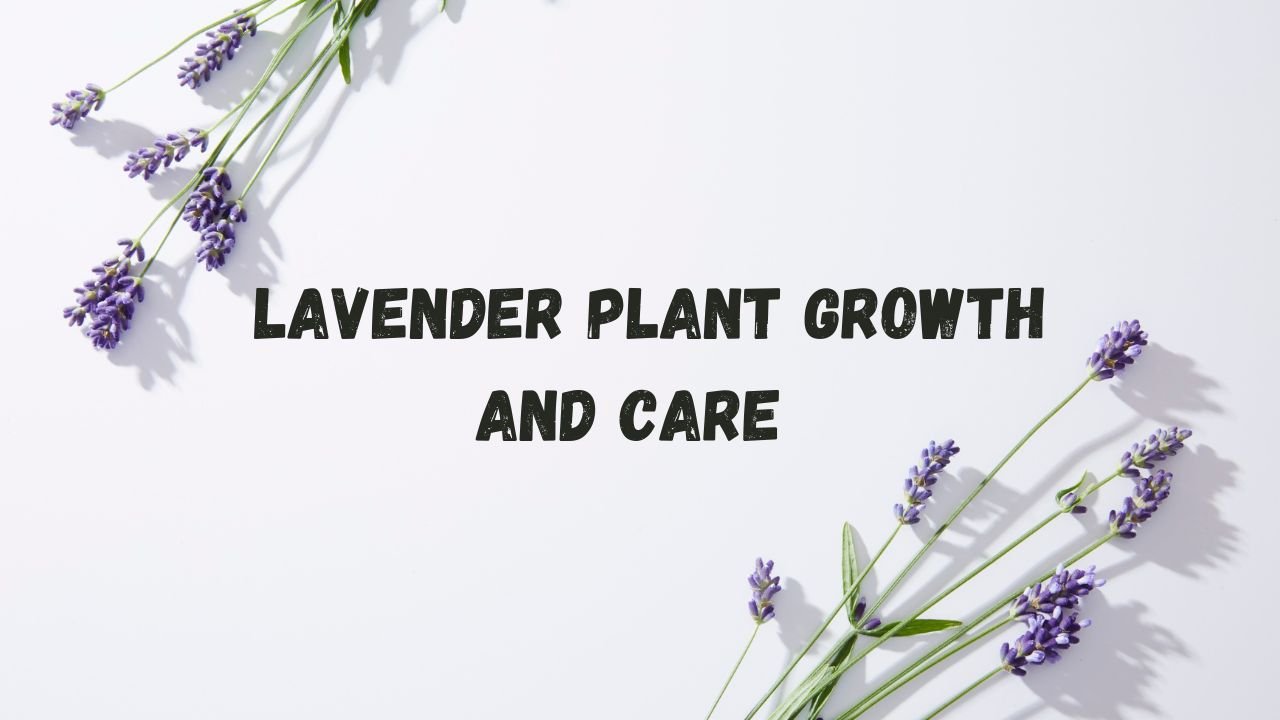
How to Care and Grow Lavender Plant
Lavender has always been one of my favorite plants to grow. Its soft purple blooms and calming fragrance bring both beauty and peace to any garden. I admire how this plant stays strong through heat and dry days, yet rewards us with endless charm and scent.
Over the years, I’ve learned that lavender doesn’t just decorate a space — it creates an atmosphere of calm and freshness.
In this article, I’ll share my personal tips and methods for growing and caring for lavender so you, too, can enjoy this wonderful plant year after year.
Quick Care Table to grow and care lavender
| Care Aspect | Requirement / Tip |
|---|---|
| Light | Full sunlight – at least 6–8 hours daily |
| Soil | Well-drained sandy or loamy soil, pH 6.5–7.5 |
| Watering | Water only when top inch of soil is dry; avoid overwatering |
| Temperature | Prefers warm, dry climates (USDA Zones 5–9) |
| Fertilizer | Use light organic fertilizer once in spring; avoid excess nitrogen |
| Pruning | After flowering – cut back one-third of growth, avoid old wood |
| Bloom Time | Late spring to summer; some varieties rebloom |
| Benefits | Attracts bees, butterflies, repels pests, used for oils & teas |
| Common Issues | Root rot (from overwatering), fungal spots (poor air), yellow leaves (too much fertilizer) |
Choosing the Right Lavender Variety
When it comes to growing lavender, choosing the right variety for your climate makes all the difference. Each type has its own needs and charm.
If you live in a cooler area, English lavender (Lavandula angustifolia) is the best choice — it’s hardy and produces a classic fragrance. For warmer regions, I recommend French or Spanish lavender, as they handle heat better and bloom beautifully through the season.
In my garden, I’ve grown many kinds, but English lavender remains my personal favorite. It’s tough, beautifully scented, and grows neatly, making it perfect for borders, pots, or even a sunny garden corner.
The Ideal Growing Conditions
Lavender truly loves the sun — it needs at least 6 to 8 hours of bright sunlight every day to stay healthy and full of blooms. Place it where the air moves freely, as good air circulation keeps the plant dry and prevents fungus from forming on the leaves.
When it comes to soil, lavender prefers sandy or loamy soil with a pH between 6.5 and 7.5. This kind of soil drains quickly and keeps the roots happy.
Lavender doesn’t like to sit in wet or heavy clay soil because its roots need to breathe. If the soil in your garden is dense, I suggest mixing in some sand or gravel to improve drainage — that’s one trick I always use to keep my lavender thriving.
Planting Lavender – My Step-by-Step Guide
Planting lavender is simple if you follow a few easy steps. Here’s how I do it in my own garden:
- Choose a sunny, open spot. Lavender loves sunlight, so pick a place where it can get at least 6–8 hours of sun every day.
- Prepare the soil. Mix in some organic compost for nutrients and sand to help with drainage — lavender grows best in loose, airy soil.
- Give it space. Plant each lavender 12–18 inches apart so that air can flow easily around the plants.
- Water lightly. After planting, give the soil a gentle watering — just enough to settle the roots in place.
while growing, I’ve learned one simple trick that always helps: I mix a little gravel at the base of the planting hole to prevent water from sitting around the roots. It keeps the soil dry and the lavender healthy and strong.
Watering and Feeding – The Balance of Care
Lavender is a plant that loves a little neglect. Once it’s settled and growing well, it prefers dry conditions and doesn’t need frequent watering. I always check the soil first — if the top inch feels dry, then it’s time to water. Otherwise, let it be.
When it comes to feeding, lavender isn’t a heavy feeder. A light dose of organic fertilizer in spring is enough to keep it strong and blooming. Too much fertilizer can cause more leaves and fewer flowers.
From my own experience, I always say — “Too much love in the form of water can harm lavender more than help it.” Keep it simple, keep it dry, and your lavender will stay happy.
Pruning for Healthy Growth and More Blooms
Pruning is one of the best things you can do to keep your lavender healthy and blooming beautifully. After the flowers finish their show, give the plant a light trim to encourage fresh new growth.
Cut back about one-third of the stem, but be careful not to cut into the old woody part, as that can slow regrowth.
Regular pruning keeps lavender compact, tidy, and full of life, while also helping it prepare for the next season’s blooms. Personally, I prune mine in late summer when the flowers begin to fade, and it always rewards me with thicker, stronger growth and more blooms the following year.
Common Problems and My Natural Fixes
Even the toughest plants can face a few problems, and lavender is no exception. But don’t worry — most issues are easy to fix once you understand what your plant needs.
- Overwatering → Root rot
Fix: Improve drainage by adding sand or gravel to the soil and let the soil dry between waterings. - Poor air circulation → Fungal spots
Fix: Space plants properly and prune lightly to allow air to move freely around them. - Yellow leaves → Too much fertilizer or shade
Fix: Move your plant to a sunnier spot and avoid feeding it too often.
“If your lavender looks sad, it’s often asking for more sun, not more water.” Lavender loves sunlight more than anything else. give it that, and it will soon perk up.
Harvesting Lavender the Right Way
Harvesting lavender is one of the most rewarding parts of growing it — the scent fills the air, and the flowers stay beautiful even when dried.
The best time to harvest is when about half of the flowers on each stem have opened. This is when their fragrance and oil content are at their peak. I always cut the stems early in the morning, just after the dew has dried, because that’s when the aroma is strongest.
After cutting, hang the stems upside down in a cool, dry, and shaded place. This helps them keep their color and scent.
Once dried, you can enjoy them in many ways — I often use my lavender in sachets for my closet, for making calming tea, or to create homemade lavender oil. It’s a lovely way to keep a bit of summer with you all year long.
Benefits and Uses of Lavender
Lavender isn’t just beautiful — it’s also one of the most useful plants you can grow in your garden.
Natural Uses:
Lavender flowers and leaves can be turned into essential oil, used in herbal tea, or placed near your bed as a natural sleep aid. Its scent is known to calm the mind and reduce stress. I also love how it works as a natural pest repellent, keeping mosquitoes and flies away without chemicals.
Aesthetic Value:
With its soft purple blooms and soothing fragrance, lavender adds color, charm, and a refreshing scent to any garden or home space. Whether planted in beds or pots, it always brings a touch of elegance.
Eco-Value:
Lavender plays a big role in supporting pollinators like bees and butterflies. Growing it not only beautifies your garden but also helps in maintaining biodiversity and creating a healthy, balanced environment.
Conclusion – The Fragrant Reward of Patience
Lavender isn’t a demanding plant — it just asks for sunlight, space, and a little understanding. Once you give it these simple things, it will thrive beautifully on its own.
As a gardener, I’ve always found lavender to be a reminder that patience brings the best rewards. Grow it with care, and it will thank you with its soothing fragrance, calming color, and peaceful charm that lasts all season long.