How to Make Compost?
I always believe that healthy soil means happy plants. Compost is a natural material made by recycling organic waste, like kitchen scraps and garden leaves, into rich, dark soil full of nutrients.
Learning how to make compost is one of the best ways to care for your plants and keep your garden green. It’s an easy and eco-friendly process that turns waste into something valuable for the earth.
In this guide, I’ll explain how to make compost step by step and share simple tips on making compost at home or in your garden , helping you grow stronger, healthier plants just like I do with my plants.
What Is Composting?
Composting is the process of turning everyday organic waste into rich, dark soil that helps plants grow beautifully. It’s how we return nutrients back to the earth.
Tiny microorganisms, like bacteria and fungi, break down waste materials such as leaves, peels, and grass into humus — a soft, earthy material full of nutrients. This humus improves the soil’s fertility, structure, and water-holding capacity, making it perfect for your garden or kitchen garden.
It decreases the need of fertilizers either inorganic or organic fertilizers. Help plant to grow well in natural enviroment with out affect of inorganic chemicals.
Materials Needed for Composting
To start your compost, you’ll need a mix of green and brown materials. Greens are rich in nitrogen and help things rot quickly, these include fruit and vegetable peels, coffee grounds, grass clippings, and other fresh plant waste.
Browns are rich in carbon and keep your compost airy. You can use dry leaves, paper, straw, or sawdust for this. The balance between green and brown materials is key to good compost.
Along with that, water and air are essential for the microorganisms to stay active and decompose materials properly. With these simple things, you can easily learn how to make compost pile and create your own organic compost at home. It isn’t an actual fertilizer but reduce the need of inorganic and organic fertilizers for plant.
Choose a compost bin that fits your space, a kitchen bin for small areas or an outdoor pit or container for gardens. Place it in a shaded spot with good drainage and easy access for turning. You can also make your own compost bin using simple local materials like wooden pallets or plastic drums, making composting easy and affordable.
Step-by-Step Process of Making Compost
Here i’m sharing step by step, how i make compost for my home garden and kitchen garden.
Step 1: Start by preparing the base layer with dry brown materials such as dry leaves, straw, or shredded paper. This helps with air circulation and drainage.
Step 2: Next, add alternating layers of green and brown materials. For example, one layer of fruit peels or grass clippings followed by a layer of dry leaves or cardboard. This balance keeps the compost healthy.
Step 3: Sprinkle a little water over the pile to keep it damp, not soaked. Moisture helps the microorganisms stay active and break down the waste.
Step 4: Every 2–3 weeks, turn or mix the compost pile using a shovel or stick. This adds oxygen, which speeds up decomposition.
Step 5: Keep checking the moisture and temperature. The compost should feel warm in the middle — that means the process is working!
Step 6: Be patient and let nature do its job. In about 6–8 weeks, your compost will turn into dark, crumbly soil ready to use. This is the best way to learn how to make compost at home naturally.
How to Know When Compost Is Ready
I met many persons who try to prepare compost at home but aren’t aware about it, so i ma adding this point specially for those who are facing the same issue.
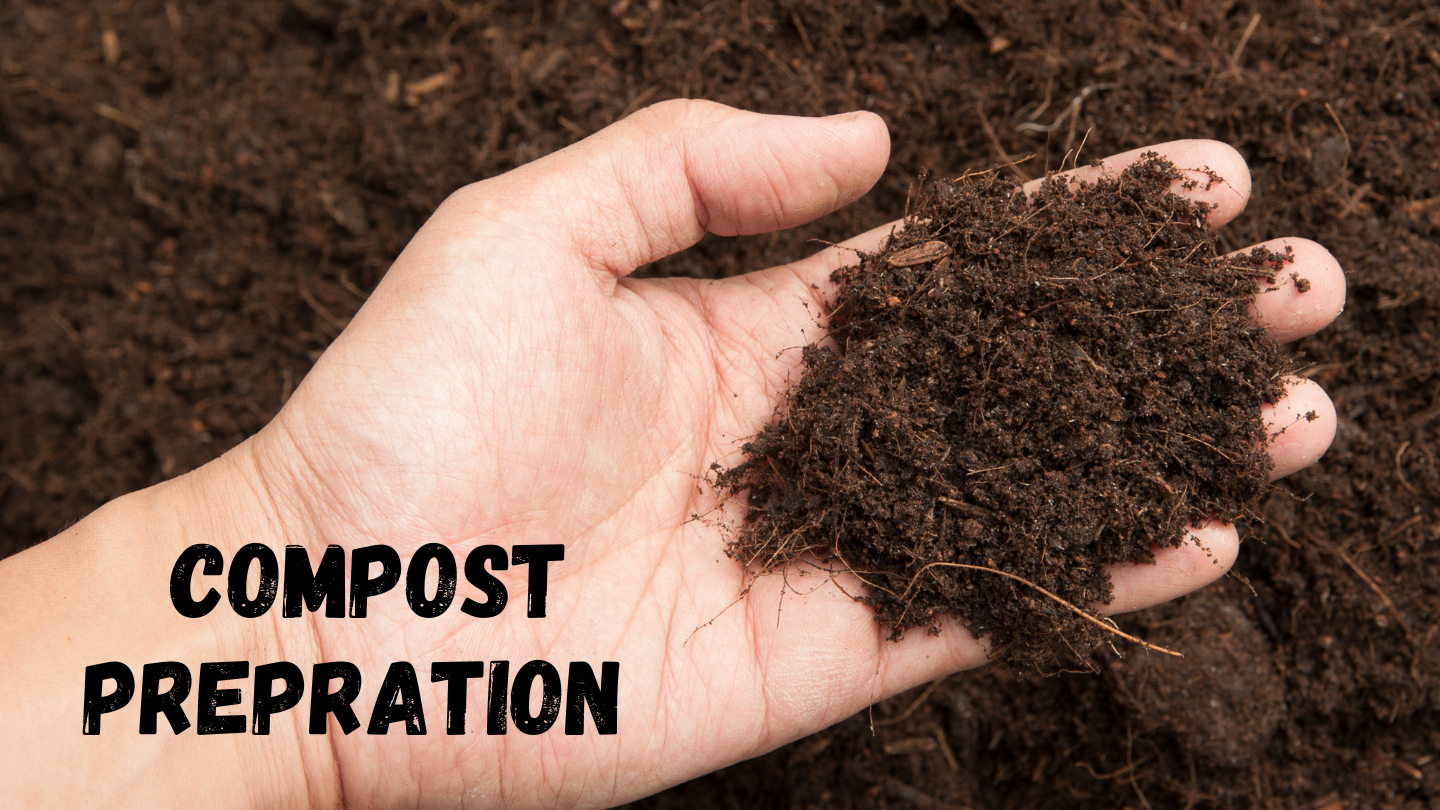
You’ll know your compost is ready when it looks dark brown, crumbly, and smells earthy — just like rich garden soil. The temperature inside the pile will cool down to normal, and you won’t see any visible food scraps or raw materials. If you see any visible raw material burry it again and wat for few days and check again.
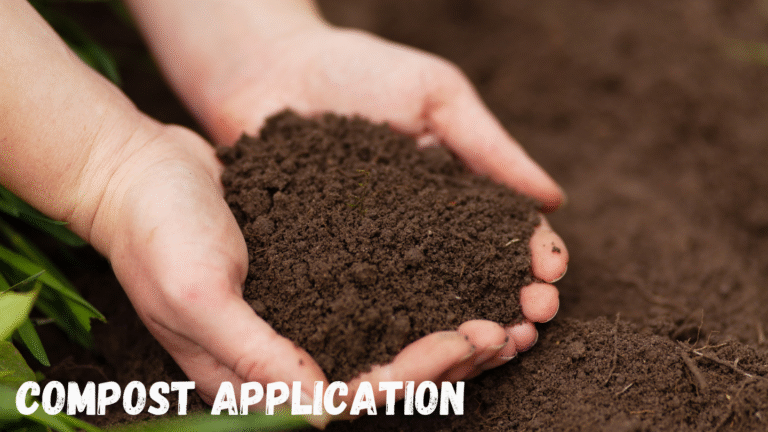
That’s when your organic compost is ready to use. Whether you’re feeding your kitchen garden or flower beds, this homemade compost will bring life and nutrients back to your soil.
Common Composting Problems and Their Solutions
Even as a horticulturist, I know that composting doesn’t always go perfectly — but the good news is, every problem has an easy fix.
If your compost gives off a bad smell, it usually means there’s too much moisture or too many green materials. Simply add more dry brown matter like leaves or cardboard to balance it.
If the pile looks too dry, sprinkle some water or add fresh green waste to bring back the right level of moisture.
A slow decomposition process often means the compost isn’t getting enough air — turn or mix it more often and keep it slightly damp to help it break down faster.
Conclusion
Composting is one of the simplest and most rewarding habits every plant lover can adopt. By learning how to make compost at home, you not only recycle kitchen and garden waste but also create natural food for your plants. It’s an easy way to keep your soil healthy and your garden full of life.
Remember, composting isn’t just about waste management — it’s a small step toward sustainable and eco-friendly gardening. Each compost pile helps reduce waste, enriches the soil, and supports a greener planet.
As a horticulturist, I truly believe that every handful of compost is a gift back to nature — start yours today and watch your garden thrive beautifully.