
Growth and Care of Rose
Many people think rose are difficult plants that need expert-level care. In reality, roses are strong and rewarding plants when you understand their basic needs and growth habits.
I am a plant lover and a horticulturist who has grown roses in real gardens, not just studied them in books.
Everything I share here comes from practical experience, observation, and trial in the field.
In this guide, I will explain rose care in a simple and clear way. You will learn how to plant, water, feed, prune, and protect roses using methods that actually work. This is for home gardeners, beginners, and anyone who loves roses.
If you want healthy plants and better flowers without confusion, this guide is for you.
Understanding Roses Before Planting Them
Roses are living shrubs, not just decorative flowers. When treated like shrubs, they grow stronger and flower better.
They grow in cyclic way flowering, rest, and dormancy. Knowing this helps avoid unrealistic expectations. Many people think roses need constant care and chemicals. In reality, good sunlight and soil solve most problems.
Choosing the Right Rose Varieties
Roses come in many types like hybrid tea, floribunda, shrub, and climbers.
Each type grows and flowers differently. For home gardens, shrub and landscape roses perform best. They are hardy and need less care.
Disease-resistant roses are easier for beginners. Delicate varieties suit experienced gardeners. Choosing roses only by color is a common mistake. Growth habit and care needs matter more.
Selecting the Best Location for Healthy Roses
Roses need at least 6 hours of sunlight daily. Morning sun is best because it keeps leaves dry.
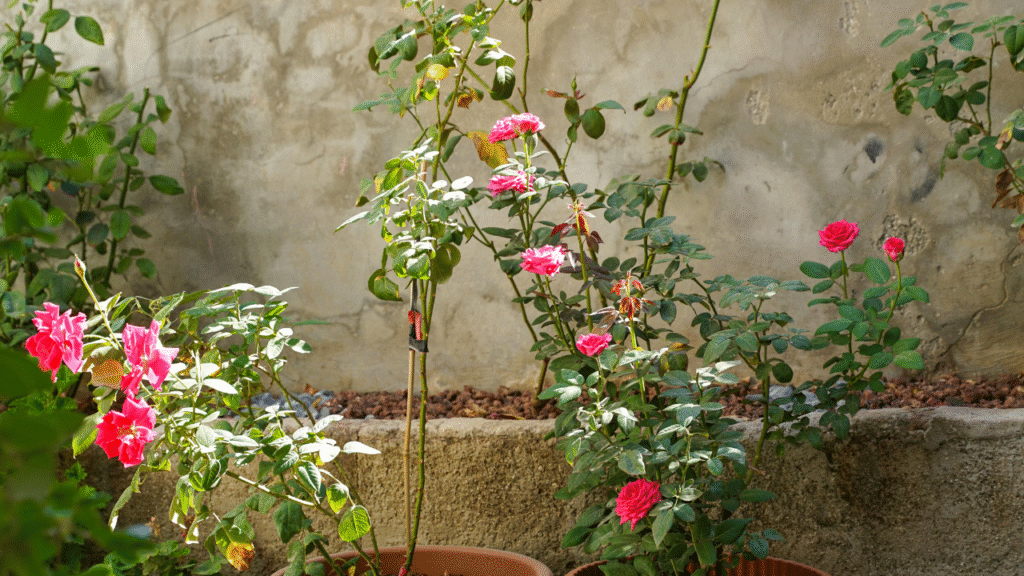
Good air circulation prevents diseases. Avoid planting roses too close together. Roses grow well in pots, small gardens, or along walls. Adjust location based on heat, cold, or humidity.
Soil Requirements for Rose
Roses grow best in loose, rich soil that drains well. Healthy soil helps roots grow deep and makes the plant stronger against heat and disease. Loamy soil is the ideal type because it holds moisture without becoming waterlogged.
Many gardeners ignore soil problems like poor drainage, compaction, and low organic matter. Waterlogged soil can cause root rot, while compacted soil stops roots from spreading. Low organic matter means fewer nutrients and weaker growth.
To improve soil, I add compost or well-rotted manure before planting. Compost improves texture, adds nutrients, and helps water move properly. For heavy clay, I mix in sand or perlite; for sandy soil, I add more compost to retain moisture.
Roses prefer slightly acidic to neutral soil, around pH 6.0–7.0. A simple soil test can tell you the PH. If it is too alkaline, adding compost or organic matter slowly can help bring it into the right range.
Planting Roses the Right Way
I have planted both bare-root and container roses, and both work well. Bare-root roses are cheaper but need careful watering at first, while container roses establish faster and are easier for beginners.
The best time to plant is early spring or early fall, so the roots have time to grow before heat or frost.

Dig a wide hole, mix compost with soil, and spread the roots gently. I water once halfway and again after filling the hole to settle the soil.
In cold climates, plant the crown 1–2 inches below ground; in warm areas, plant at ground level. Always leave at least 3 feet between roses to avoid disease.
Watering Roses
Deep watering helps roses grow strong roots and survive dry weather. I water slowly and deeply instead of shallow daily watering.
Watering frequency depends on weather and soil, hot dry days need more water, while cool weather needs less.
Avoid wetting the leaves because it causes fungal diseases like black spot. I always water at the base in the morning so the foliage dries quickly.
To check moisture, I stick my finger 2 inches into the soil; if it’s dry, I water. Mulch keeps soil moist, but it should not touch the stem to prevent rot.
Feeding and Fertilizing Roses
Roses are heavy feeders because they produce many flowers and new growth. In my garden, I’ve seen roses weaken quickly if they don’t get regular nutrients. Healthy roses need steady feeding during the growing season.
The main nutrients roses need are nitrogen for leaves, phosphorus for flowers, and potassium for strong roots. I also watch for micronutrient deficiencies like yellow leaves. I feed roses when new growth starts and after the first big bloom.
I prefer organic fertilizers like compost, manure, and fish emulsion because they improve soil health. Chemical fertilizers work fast but can burn roots if used too much. In my experience, chemical fertilizers are best only when roses need a quick boost.
My schedule is simple: feed in early spring, late spring, and mid-summer. I stop feeding 6–8 weeks before frost so the plant can prepare for dormancy. Over-fertilizing or feeding late in the season can weaken roses, so I always follow the recommended dose.
Read Here More about Bougainvillea Fertilizer.
Pruning Roses Without Fear
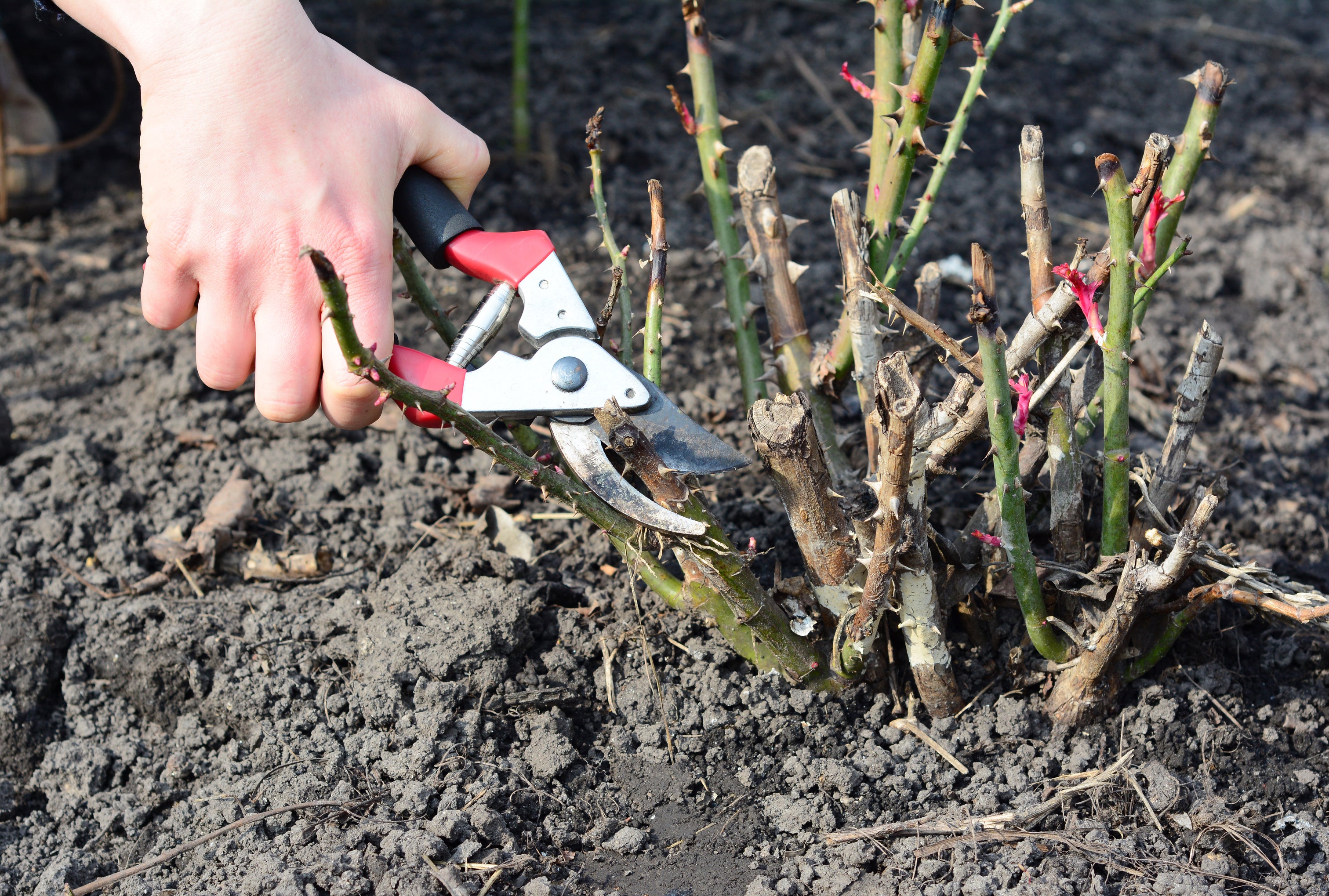
Pruning is very important for rose plant. It keeps roses healthy by removing old or weak growth. I’ve seen my roses bloom better after proper pruning because new shoots grow stronger. It also improves air circulation and reduces disease.
Most roses are pruned in early spring when buds start to grow. Climbing roses are pruned after they finish flowering because they bloom on old wood. Pruning too late can reduce the next season’s flowers.
I usually cut back about one-third of the old growth and keep strong canes. Too little pruning makes the plant crowded, while too much weakens it. Deadheading spent flowers helps roses bloom continuously.
A common mistake is pruning too late or leaving dead flowers on the plant. This reduces new blooms and increases disease problems.
Managing Pests and Diseases Naturally
Common rose pests are aphids, spider mites, and beetles, while diseases include black spot and powdery mildew. I inspect my roses weekly to catch problems early.
Yellow leaves or spots are the first signs I look for.
Good habits like clean soil, proper spacing, and watering at the base prevent most problems before spraying.
For natural control, I use a strong water spray to remove pests, and neem oil or insecticidal soap when needed. Companion plants like marigolds and garlic also help. I only use chemical sprays if the problem becomes severe and spreads quickly.
Seasonal Rose Care Calendar
In spring, prune and feed roses for strong growth and more flowers.
In summer, focus on deep watering and protecting roses from heat.
In autumn, reduce fertilizer and strengthen the plant for winter.
In winter, protect roses from frost with mulch and coverings.
Seasonal care helps roses bloom better next year and stay healthier.
Common Rose Growing Mistakes
Overwatering and poor drainage are the most common mistakes I see, and they cause root rot quickly. I always check soil moisture and avoid waterlogging. Using the wrong fertilizer or feeding at the wrong time can weaken roses and cause soft growth that is easily damaged.
Ignoring airflow and spacing causes disease and poor growth. Always keep enough distance between plants and prune for good air circulation. Late-season pruning or feeding can cause new growth that is damaged by cold, so I stop these activities before winter. Unrealistic expectations, like expecting roses to bloom constantly, also lead to disappointment.
Frequently Asked Questions About Rose Care
How often should roses be watered?
Roses need deep watering about once or twice a week depending on weather and soil. In hot weather or sandy soil, I water more often. The key is to keep the soil moist but not waterlogged.
Why are my rose leaves turning yellow?
Yellow leaves usually mean nutrient deficiency, overwatering, or poor drainage. In my garden, yellowing often happens when soil stays wet for too long or when the plant lacks iron or nitrogen. Check soil moisture and consider adding compost or balanced fertilizer.
Why do roses produce buds but no flowers?
If roses make buds but don’t bloom, it may be due to poor nutrition, too much shade, or incorrect pruning. I have seen this when plants receive weak fertilizer or too little sunlight. Proper feeding and enough sun usually solve the problem.
How long does a rose plant live?
With good care, a rose plant can live many years, sometimes 10–20 years or more. In my experience, roses that get proper pruning, feeding, and disease control live longer and bloom better each year.
Are roses suitable for beginners?
Yes, roses can be great for beginners if you choose easy varieties and follow basic care rules. In my garden, disease-resistant shrub or landscape roses are the best choice for new gardeners. Once you learn their needs, roses become very rewarding.
Conclusion
Roses are not difficult; they just need the right basics and a little attention. From my experience as a gardener, I’ve seen roses transform from weak bushes into strong, blooming plants when they get good soil, enough sunlight, and correct watering. When you follow simple steps like proper planting, feeding, and pruning, roses become healthier and flower more.
The secret is consistency, not complexity. A well-cared rose garden grows stronger each season, and small mistakes like overwatering or wrong pruning are easily avoided with a little practice. I’ve learned that roses reward you quickly when you treat them as living shrubs, not just decorative flowers.
So don’t be afraid to grow roses. With real, practical care and patience, your roses will thrive and bloom beautifully year after year. As a plant lover, I can confidently say that the joy of seeing roses flourish is one of the most satisfying parts of gardening.