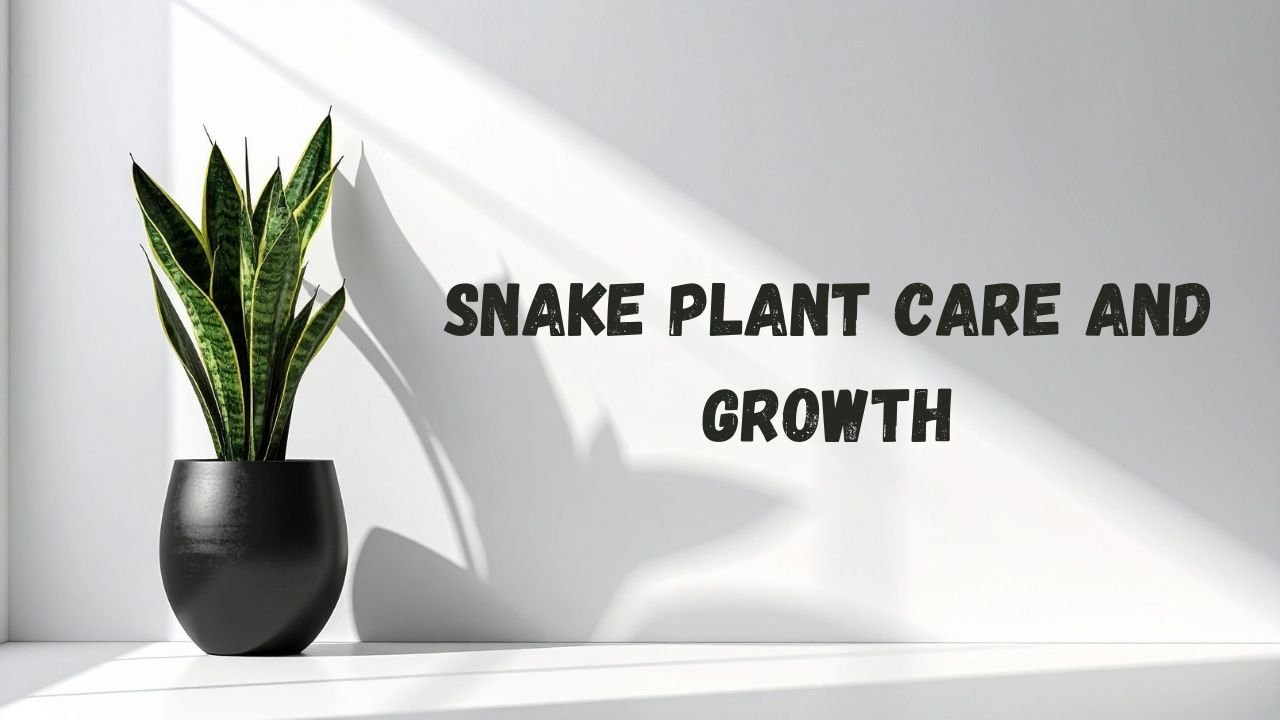
How to Care and Grow Snake Plant?
Do you want a plant that is easy to grow and hard to kill? Then the snake plant is perfect for you!
The snake plant, also called mother-in-law’s tongue, is a tall, pretty plant with long green leaves. It comes in many shapes and sizes, and it can grow both inside and outside the house.
People love to grow snake plants because they are very strong. They can live with little water, less sunlight, and even when you forget to take care of them for a while. That’s why gardeners call it a “hard-to-kill” plant.
This plant also helps to clean the air and makes your home look fresh and green. With just a little care, your snake plant can stay healthy for many years.
In this article, you will learn how to care for a snake plant step by step — from watering to sunlight, soil, and more — so your plant can grow happy and strong!
Quick Care Table for Snake Plant
| Care Topic | What to Do |
|---|---|
| Light | Snake plants love bright, indirect light, but they can also grow well in low light areas. |
| Water | Water only when the soil feels dry. Too much water can make the roots rot. |
| Soil | Use light, sandy, and well-draining soil. Avoid heavy, sticky soil. |
| Temperature | Keep your plant in a warm place. Don’t let the temperature go below 50°F (10°C). |
| Repotting | Repot every 3–5 years or when roots fill up the pot. Choose a slightly bigger pot each time. |
| Propagation | Make new snake plants by dividing baby plants or using leaf cuttings. |
| Pet Safety | 🚫 Not safe for cats or dogs to chew — keep it out of their reach. |
Where Should I Keep My Snake Plant?
Some people ask me “how to care for a snake plant” As a gardener, I can tell you that the snake plant is one of the most easy-going plants when it comes to light. It loves bright, gentle sunlight, but it can also grow well in low light. That’s why it’s a great plant for both homes and offices.
If you have a sunny window, place your snake plant near the window, but not right under strong, hot sun. Too much direct sunlight can make the leaves turn yellow or dry.
If your room doesn’t get much light, don’t worry! The snake plant will still grow — just a bit slower. You can keep it on a table, shelf, or even in a corner where there is some light.
In my garden, I keep snake plants in bright, warm rooms where the sun comes in softly. Inside your home, the living room, bedroom, or hallway are perfect spots. Just remember — they love light, but not too much hot sun.
So, choose a cozy place with bright, indirect light, and your snake plant will stay happy and healthy all year round.
How Often Should I Water My Snake Plant?
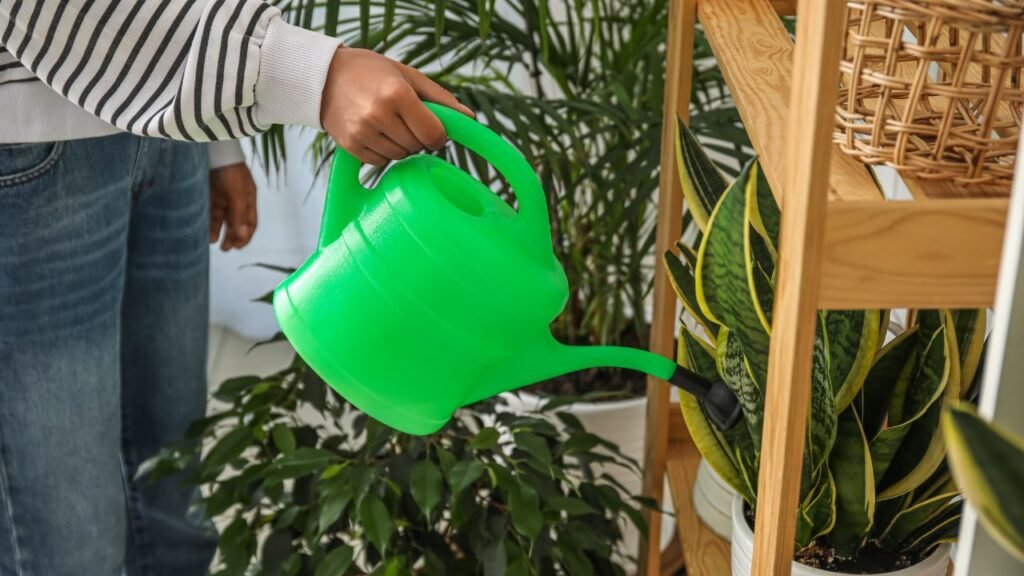
Being a Horticulturist, I always say — snake plants don’t like too much water. They are strong plants that store water in their thick leaves, so they can live even when the soil is dry for a long time.
You should only water your snake plant when the soil feels dry. Before you water, touch the top of the soil with your finger. If it feels dry, it’s time to water. If it still feels a little wet, wait a few more days.
Here is a Question that “how to care for a snake plant in the winter” Usually, I water my snake plants every 2 to 3 weeks in summer but once a month in winter because due to high humidity in winters. But remember, it depends on your home’s light and weather. A plant in bright light will need water more often than one in a dark corner.
Be careful not to water too much! When snake plants get too much water, their roots can rot, and the leaves can become soft and mushy. Always pour out extra water from the pot tray and make sure the pot has holes at the bottom for drainage.
So, in winter the rule is simple, less water is better than too much. Let your snake plant stay dry for a bit, and it will stay strong, green, and healthy!
What Kind of Soil Does a Snake Plant Like?

usually I remind new gardeners that good soil means a happy plant. The snake plant likes soil that is light, sandy, and drains water quickly. This kind of soil keeps the roots healthy and stops them from staying too wet.
Snake plants don’t like wet or heavy soil because it holds too much water. When the soil stays wet for too long, the roots can rot, and the plant may start to die. So, always choose dry, well-draining soil — like the soil we use for succulents or cacti.
If you don’t have ready-made succulent soil, you can make your own mix. Just take:
- 1 part garden soil,
- 1 part sand, and
- 1 part perlite or small stones.
This mix will let the water flow out easily and give air to the roots.
Also, the pot you choose matters. Pick a pot with a small hole at the bottom so extra water can drain out. Clay or terracotta pots are the best because they help the soil dry faster.
So remember that, light, airy soil and a pot with a hole will keep your snake plant safe, strong, and smiling!
What Temperature and Air Does It Like?
From my personal experience, I can tell you that snake plants love warm and cozy places. They grow best in normal room temperatures, between 60°F to 85°F (16°C to 29°C). This makes them perfect for keeping inside your home all year round.
Snake plants don’t like cold weather. If the air becomes too cold — below 50°F (10°C) — their leaves can turn soft and start to rot. So, during winter, keep your plant away from open windows or cold drafts.
They also enjoy dry air more than humid air. You don’t need to spray water on their leaves or keep them in steamy rooms. Normal home air is just right for them.
In the summer, you can take your snake plant outside if you like. Just remember to place it in a shady or partly sunny spot, not under strong, hot sun. Bring it back inside when the weather starts to get cool again.
So, in simple words — your snake plant loves warm air, gentle light, and a dry room. Keep it safe from cold winds, and it will keep growing strong and beautiful!
When Should I Repot My Snake Plant?

Snake plants don’t need repotting very often. They like to stay a little tight in their pots. But after some years, the plant grows bigger, and the roots fill the whole pot — that’s when it’s time to give it more space.
You will know your snake plant needs a bigger pot when you see:
- Roots coming out of the drainage hole,
- The pot looking too full of leaves, or
- The plant starting to push up out of the pot.
When this happens, it means the roots need more room to grow. The best time to repot is in spring or summer, when the plant is growing well.
Here’s how to move it safely:
- Gently take the plant out of its old pot.
- Remove some old soil from around the roots.
- Place it in a new pot that is just one size bigger — not too large.
- Fill it with fresh, well-draining soil and press it gently around the roots.
- Water a little, then let it rest in a bright, warm place.
You only need to repot your snake plant every 3 to 5 years. After that, it will have new soil, more space, and fresh energy to grow taller and greener!
How Can I Make New Snake Plants? (Propagation)

one of my favorite things about snake plants is how easy they are to multiply. Yes, you can grow new snake plants from one plant! It’s simple and fun — perfect for anyone who loves to watch plants grow. There are two main ways to do it: division and leaf cutting.
1. Division (Separating Baby Plants):
Sometimes, your snake plant grows small baby plants, also called pups, around the main plant. These babies already have their own roots. You can:
- Take the plant out of its pot,
- Gently separate the baby plants from the main one,
- Plant each baby in its own small pot with fresh soil.
This is the quickest and easiest way. The new plants will keep growing right away.
2. Leaf Cutting (Using Leaf Pieces):
You can also grow new plants from leaf pieces. Just cut a healthy leaf into a few sections (each about 3–4 inches long).
- Let the cut pieces dry for a day or two,
- Then plant them upright in moist soil.
After some weeks, new roots and shoots will begin to grow from the bottom of each piece.
It usually takes about 1 to 2 months for new snake plants to grow roots and start showing baby leaves.
Watching new snake plants grow from the old one is such a joy — it feels like your garden is giving you gifts!
What Problems Can Happen to a Snake Plant?
As a plant lover and horticulturist, I always say — snake plants are strong, but even strong plants can face a few problems. The good news is, most issues are easy to fix once you know what to look for. Let’s talk about the most common ones.
1. Yellow or Soft Leaves
If your snake plant’s leaves are turning yellow, mushy, or soft, that’s a sign of too much water. Snake plants don’t like wet feet! Their roots can rot if the soil stays soggy for too long.
💡 Tip: Always let the soil dry completely before watering again. If the roots already smell bad or look brown, remove the damaged parts and repot your plant in fresh, dry soil.
2. Root Rot
Root rot is the most common problem. It happens when water stays trapped in the pot. To prevent this, use a well-draining soil and a pot with holes at the bottom.
3. Pests and Bugs
Sometimes small bugs like mealybugs or spider mites might visit your plant. You’ll notice tiny white spots or a sticky layer on the leaves. Don’t worry! You can gently wipe the leaves with a soft cloth dipped in soapy water or use a natural insect spray.
4. Cold or Drafty Air
Snake plants love warm, cozy air. If they are kept near cold windows or air conditioners, the leaves can get brown tips or stop growing. Move your plant to a warmer spot with steady temperature.
Remember: Snake plants are tough survivors. With the right care — not too much water, enough light, and warm air — your plant will stay healthy, green, and beautiful all year round!
Is a Snake Plant Safe for Pets?
I often get asked this question — “Can I keep a snake plant if I have pets?” The answer is yes, but with a little care.
Snake plants are not safe for pets to eat. If a cat or dog chews on the leaves, it can make them feel sick. The plant has a natural chemical called saponin, which can upset your pet’s stomach.
If your furry friend eats part of the leaf, they might:
- Drool a lot
- Feel tired
- Throw up (vomit)
- Or have an upset tummy
Even though snake plants are beautiful and easy to grow, it’s best to keep them away from curious pets. This way, both your plant and your pet stay safe and happy!
Conclusion
As a gardener and a Horticulturist, I can say with confidence — the snake plant is one of the best plants for every home. It’s strong, beautiful, and easy to care for, even if you are new to growing plants.
This amazing plant helps clean the air, needs very little water, and grows happily in bright or low light. You don’t need to worry too much about it — just give it a little love, and it will stay green and healthy for years.
I always tell my readers: if you want a plant that makes your home look fresh without much work, start with a snake plant. It’s perfect for busy people, kids learning about plants, or anyone who wants a touch of nature indoors.
Even if you forget to water it, your snake plant will still smile! So go ahead — bring one home and enjoy its beauty and strength every day.