How to Grow and Care for a Bonsai Tree?
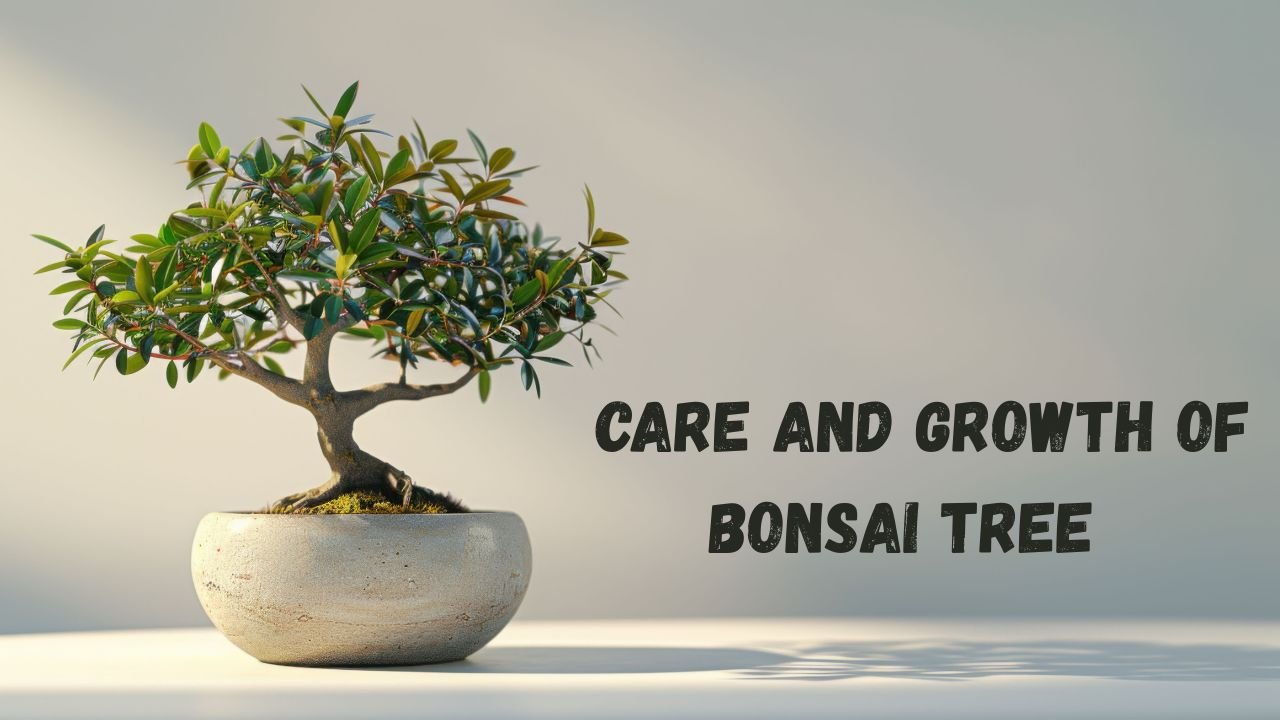
A Bonsai tree is just like any other tree, but it grows in a small pot instead of the ground. It is carefully shaped and trimmed to stay tiny while still looking like a full-sized tree. I often say it’s like growing a big tree in a little world.
As a gardener and horticulturist, I find Bonsai trees truly special. They teach patience, love, and balance. Watching a Bonsai grow slowly, leaf by leaf, feels peaceful, almost like caring for a living piece of art. To me, every Bonsai is a tiny tree with a big heart, full of life and beauty that reminds us to slow down and enjoy nature’s small wonders.
Quick Table for Bonsai Tree Care
| Care Step | What to Do | My Personal Tip |
|---|---|---|
| Light & Placement | Keep near a bright window with soft sunlight. Avoid direct, harsh heat. Indoor and outdoor Bonsai both need fresh air. | “If your Bonsai’s leaves look pale, it might need more light.” |
| Watering | Check soil daily. Water when the top feels dry. Avoid overwatering. | “I always touch the soil before watering, it helps me avoid soggy roots.” |
| Feeding & Fertilizing | Use mild liquid fertilizer during growing season (spring–summer). | “I feed my Bonsai every two weeks in spring and summer.” |
| Repotting | Repot every 2–3 years in spring. Trim long roots and use fresh soil. | “Repotting feels like giving your Bonsai a fresh home to breathe and grow.” |
| Pruning & Shaping | Use clean scissors to cut long shoots and shape naturally. | “Each cut should help your tree look natural, not forced.” |
| Common Problems | Yellow leaves = too much water; Dry tips = low humidity; No growth = needs sunlight/fertilizer. | “Every Bonsai teaches you something new, just watch and learn.” |
| Best Trees for Beginners | Ficus, Chinese Elm, Juniper. | “Start with one that matches your home’s light and weather.” |
Where Should You Keep Your Bonsai Tree?
From my experience as a plant lover and horticulturist, the right place makes a big difference in how healthy your Bonsai grows. These tiny trees love light, fresh air, and steady temperatures but too much of anything can cause trouble.
If you have an indoor Bonsai, place it near a bright window where it can get plenty of sunlight. But make sure it’s not right next to a heater or under harsh, direct sun for too long, that can dry out the leaves. Rooms like the living room or kitchen with good natural light usually work best.
For outdoor Bonsai trees, I like keeping them where they get morning sun and afternoon shade. Fresh air helps them stay strong, and gentle sunlight brings out the best color in their leaves.
👉 If your Bonsai’s leaves look pale or weak, it might be asking for more light. Try moving it a bit closer to the sun, and you’ll see the change within a few days.
Finding the perfect spot takes a little observation, but once your Bonsai feels “at home,” it will grow happy and healthy.
How to Water a Bonsai Tree the Right Way
watering is one of the most important parts of Bonsai care. Because Bonsai trees grow in small pots, the soil dries out faster than it does for normal plants. That means you need to pay close attention to when your Bonsai needs water.
Here’s what I always do, I touch the soil with my finger. If the top layer feels dry, it’s time to water. Don’t just go by the clock; go by how the soil feels. Some days your Bonsai will need water more often, especially in summer, while other times it may stay moist for longer.
But remember, too much water can hurt the roots. I learned this early in my gardening days my first Bonsai started turning yellow because I was watering it too much! The roots need both air and moisture, so the soil should be damp, not soggy.
Every tree is a little different, so the best thing you can do is watch your Bonsai carefully. In time, you’ll start to understand its needs just like I did. And once you do, watering your Bonsai will feel less like a task and more like a quiet, caring moment between you and your little tree.
Feeding and Fertilizing Your Bonsai
Just like people need food to stay strong, Bonsai trees need food too. Because they live in small pots, there isn’t much soil to hold nutrients. Over time, the soil loses its goodness, so your Bonsai depends on you for its meals, through fertilizer.
From my own gardening experience, I’ve found that using a mild liquid fertilizer works best. It’s gentle and easy for the tree to absorb. The growing season usually spring and summer is the perfect time to feed your Bonsai because that’s when it’s most active and growing new leaves.
Here is my simple routine: I feed my Bonsai every two weeks during spring and summer. It keeps the leaves green, the roots strong, and the tree full of life.
But be careful, too much fertilizer can burn the roots, so always follow the instructions on the label and use the right amount. With regular feeding and gentle care, your Bonsai will reward you with healthy growth and a beautiful, natural shape.
Feeding time is one of my favorite moments, it feels like giving my little tree the energy it needs to keep growing happily.
When and How to Repot a Bonsai Tree?
Repotting is one of the most important parts of Bonsai care. It helps the tree stay healthy, grow new roots, and get fresh soil to live in. Since Bonsai trees grow in small pots, their roots can fill the space very quickly, leaving no room for new growth.
From my own experience, I usually repot my Bonsai every 2–3 years, mostly in spring. This is the time when the tree wakes up from its rest and starts growing again, making it easier to handle and recover.
How I do it, step by step:
- Take the tree out gently. I loosen the soil and lift the tree carefully, so I don’t hurt the roots.
- Trim the long roots. This gives space for new, healthy roots to grow.
- Add fresh soil. I use good-quality Bonsai soil that drains well but keeps some moisture.
- Place the tree back carefully. I set it in the pot, press the soil gently around the roots, and then water it well.
After repotting, I always keep my Bonsai in a shaded spot for a few days to let it rest. I’ve seen how much stronger and greener it looks after each repotting, it’s like giving the tree a new home to stretch and breathe again.
How to Prune and Shape a Bonsai
Pruning is one of the most enjoyable parts of caring for a Bonsai tree. It helps the tree stay small, neat, and beautifully shaped. When I prune my Bonsai, I feel like I’m guiding its growth, helping it look just the way nature intended, only in miniature form.
To prune, I always use clean and sharp scissors. I carefully cut the long shoots that grow out of shape. This keeps the tree balanced and lets light reach all parts of it. Remember, pruning isn’t just about cutting, it’s about understanding how your tree grows.
Shaping your Bonsai is fun too! I often say it’s like giving your tree a new haircut. You can use gentle wiring or trimming to guide the branches, but never rush it. Bonsai shaping takes patience and a gentle touch.
Each cut should help your tree look natural, not forced. When you prune with care and love, your Bonsai starts to show its own personality, and that’s what makes it so special. Every time I shape my Bonsai, I feel like I’m working with nature, not against it.
Common Problems and My Simple Fixes
Even with the best care, Bonsai trees can sometimes show signs that something isn’t quite right. Over the years, I’ve learned that these small signs are just the tree’s way of telling us what it needs, and every Bonsai teaches you something new.
If you see yellow leaves, it often means the tree is getting too much water. I’ve made this mistake before, and now I always check the soil before watering, it should feel just slightly damp, not soaked.
If the leaf tips look dry or brown, that’s usually a sign your Bonsai needs more humidity. I like to mist my trees lightly every morning or place a shallow tray of water nearby to keep the air moist.
And if your Bonsai shows no new growth, it might need more sunlight or a gentle boost of fertilizer. I always move mine to a brighter spot and use a mild liquid fertilizer during the growing season, it really makes a difference.
Caring for Bonsai is a bit like learning from a quiet teacher. Each tree has its own way of communicating, and with time, you start to understand its needs just by looking at it. Every little challenge makes you a better grower and deepens your bond with your Bonsai.
Best Bonsai Trees for Beginners
If you are just starting your Bonsai journey, choosing the right tree makes everything easier and more fun. From my own experience as a plant lover and horticulturist, I’ve learned that some Bonsai trees are much more forgiving and perfect for beginners.
1. Ficus Bonsai – Strong and Easy to Care For
The Ficus is one of my top picks for beginners. It’s a tough little tree that can handle small mistakes, like missing a watering or two. I love how it grows well indoors and keeps its green leaves all year.
2. Chinese Elm – Great for Learning Pruning
The Chinese Elm is another favorite of mine. It’s strong and grows quickly, which means you get lots of chances to practice pruning. When I first started shaping my Chinese Elm, it taught me a lot about patience and balance — every trim helped it look more natural.
3. Juniper – Beautiful Shape and Fresh Smell
The Juniper Bonsai is perfect if you want a tree that looks like a tiny forest. It has a lovely smell and strong branches that you can shape easily. I enjoy trimming my Juniper because it always feels like creating a piece of living art.
My Advice:
Start with a Bonsai that fits your home’s light and weather. If you live in a warm, sunny place, a Ficus or Juniper will love it. If you have mild indoor conditions, a Chinese Elm might be your best choice.
Conclusion
Caring for a Bonsai tree is not just about keeping a plant alive, it’s about building a quiet, peaceful bond with nature. Over the years, as a gardener and horticulturist, I’ve learned that each Bonsai has its own rhythm. Some grow fast, others take their time, but all of them teach patience, care, and respect for life.
When you water it, trim it, or simply sit and look at it, you start to see how a small tree can hold so much beauty and calm. That’s what I love most about Bonsai, it reminds me that even tiny things can grow strong with care.
Title Page Separator Site title
So, if you’re thinking of starting your own Bonsai, go for it! Begin with an easy one, watch it grow, and let it teach you along the way. With love and a little attention, your Bonsai will become more than a plant, it will become a friend that grows with you.