How to Apply Fertilizer to Aloe Vera Plant
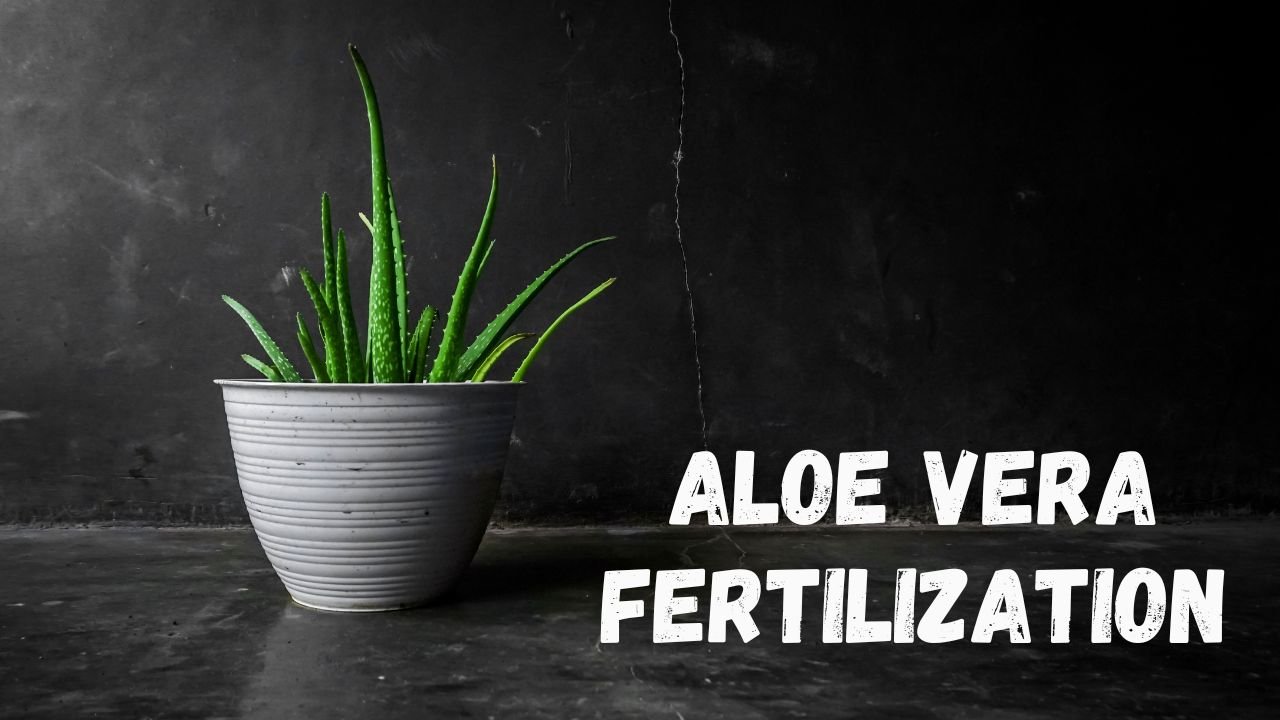
Aloe vera has always been one of my favorite plants to grow, it’s simple, tough, and endlessly useful. Known as the “plant of immortality,” aloe is prized for its soothing gel, which helps with burns, cuts, and skin care.
It grows happily in dry, sandy soil and thrives on sunlight and minimal water. Yet, many don’t realize that giving it a little fertilizer during its growing season can make a big difference — the leaves become thicker, greener, and filled with richer gel.
Aloe vera doesn’t ask for much, just the right balance of light feeding, warmth, and patience. In this guide, I’ll share how I feed and care for my aloe plants, step by step, to keep them strong, healthy, and radiant all year round.
Aloe Vera’s Nutrient Needs
Aloe vera is a plant that loves simplicity. It doesn’t need heavy feeding — just a light dose of nutrition every now and then to keep it healthy and green.
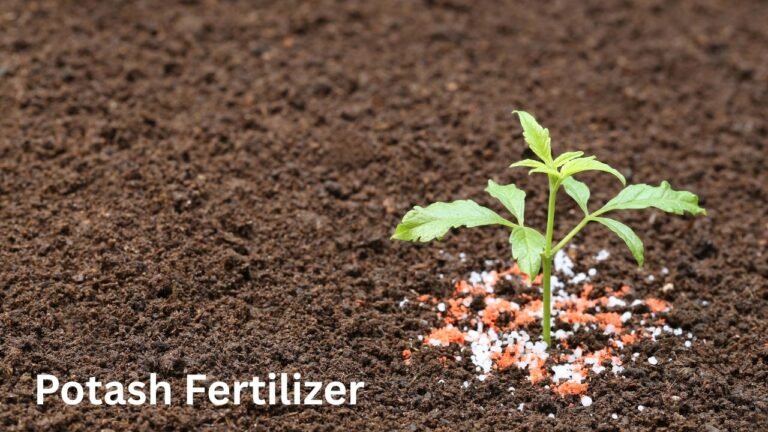
From my experience, aloe grows best when you focus on the three key nutrients: Nitrogen (N) for lush leaf growth, Phosphorus (P) for strong roots, and Potassium (K) for water balance and disease resistance.
I always suggest using a balanced or slightly phosphorus-rich fertilizer like 10-40-10 or 15-30-15. It gives aloe just the right push without overloading it, keeping the plant firm, bright, and full of natural gel.
When to Fertilize Aloe Vera
Spring and summer are the best times to feed your aloe vera. That’s when the plant is awake, growing, and ready to use the nutrients you give it.
During winter, aloe goes to rest — its growth slows, and feeding it then can actually harm the roots. I always stop fertilizing until warmer days return.
Give your aloe a light feed every 4 to 6 weeks in the growing season. And remember my golden rule: a little goes a long way — overfeeding does more harm than good for this gentle succulent.
Fertilizer Options for Aloe Vera – Organic and Inorganic Feeding
When it comes to fertilizing aloe vera, both organic and inorganic options can keep your plant strong and healthy — you just need to know how to use them right. Over the years, I’ve learned that aloe prefers a gentle and balanced approach, where natural feeding works slowly, and chemical fertilizers give a quick boost when needed.
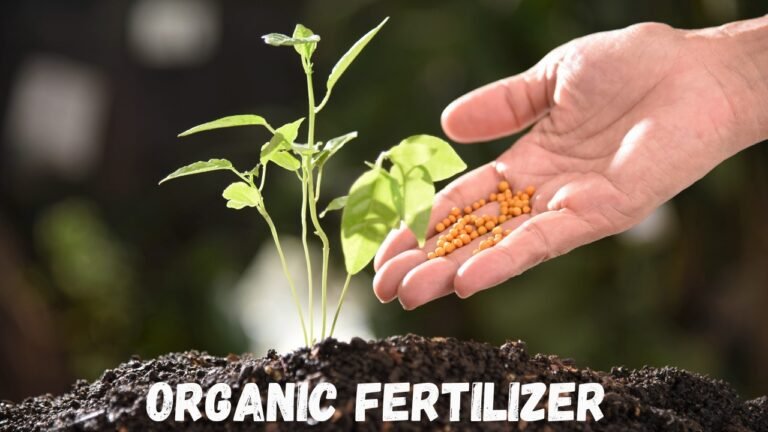
Organic Fertilizers – Natural and Gentle Feeding
Organic fertilizers are slow to act but wonderfully safe. They not only feed the plant but also improve soil health and help aloe grow steadily.
Here are some good natural choices I often use in my garden:
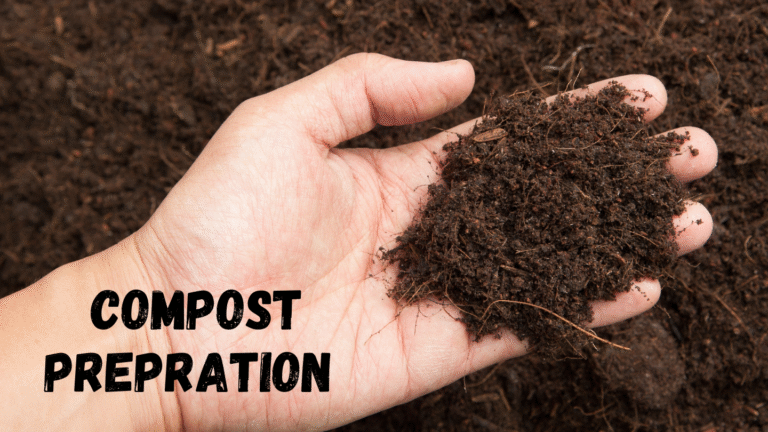
- Compost tea: Gives gentle, balanced nutrients. Water your aloe with diluted compost tea every 6 weeks.
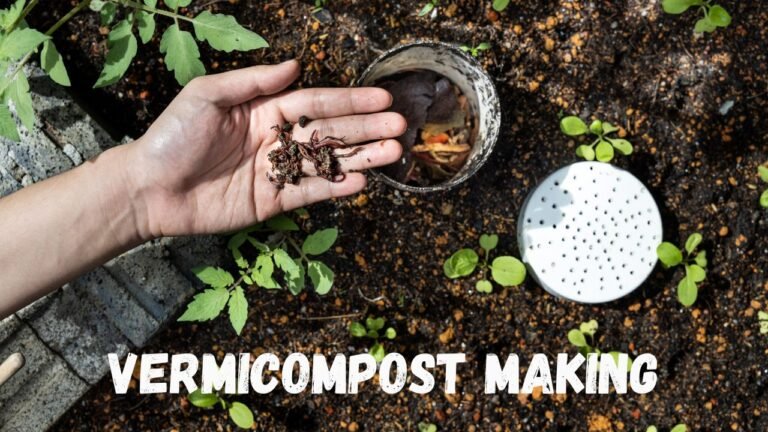
- Worm castings: Add nitrogen and healthy microbes. Mix a spoonful into the topsoil or brew it into worm tea.
- Seaweed extract: Boosts potassium and trace minerals. Dilute 1 teaspoon per liter of water and apply once a month.
- Bone meal: Strengthens roots. Mix it lightly in soil during repotting time.
- Well-rotted manure: Adds slow nitrogen. Use sparingly, only once or twice a year.
Personally, I rely most on compost tea — it’s mild, keeps the soil alive, and never overwhelms aloe’s sensitive roots.
Inorganic Fertilizers – For a Quick Nutrient Boost
Inorganic or synthetic fertilizers act faster and give quick visible results, but they must be used carefully. Aloe vera’s roots are delicate, so strong feeding can easily burn them.
Here are the types that work best for me:
- Liquid succulent fertilizer (10-40-10 or 15-30-15): Use it at ¼ strength every 4–6 weeks during the growing season.
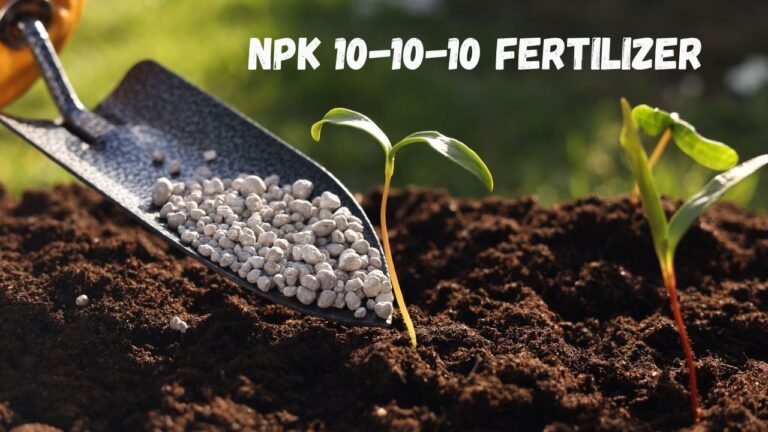
- All-purpose houseplant fertilizer (10-10-10): Dilute it heavily before applying to avoid root damage.
- Slow-release pellets (14-14-14): Mix a few pellets into the soil in spring; they feed slowly for months.
One thing I always tell my readers: avoid high-nitrogen fertilizers. They make aloe leaves soft and watery instead of firm and fleshy. Keeping it light and balanced is the key to a healthy, long-living aloe plant.
How to Apply Fertilizer the Right Way
When it comes to feeding aloe vera, less is always more. The way you apply fertilizer matters just as much as what type you use. Aloe roots are gentle and can burn easily if fed carelessly.
Following is a clear, step-by-step routine you can follow when feeding your aloe vera — short, simple, and written like a gardener sharing a tip.
- Check the season and plant health.
Only feed in spring–summer when the plant is actively growing; skip feeding if the plant is stressed or recently repotted. - Water the plant first.
Give a light watering so the soil is slightly moist — never feed into dry soil. - Prepare a weak fertilizer solution.
Mix fertilizer to ¼ or ½ the label strength (liquid) or follow tiny amounts for slow-release; less is better. - Position the plant and work gently.
Move the pot to a flat surface and remove any debris from the soil surface before applying. - Apply fertilizer to the soil only.
Pour the diluted solution around the root zone — avoid splashing on leaves. - Use a small amount and spread evenly.
Keep the feed light and distribute it around the base, not in one concentrated spot. - Let the soil absorb, then wait.
Allow the soil to take in nutrients for a day or two before watering again lightly if needed. - Flush the soil every few months.
Run plain water through the pot to wash out any salt buildup and prevent root damage. - Observe the plant for 1–2 weeks.
Look for healthy, plump leaves; if you see browning tips or crusty soil, reduce feeding frequency or dilute more.
Always moist plant soil before applying fertilizer it help plant to absorb it effectively.
Efficient Fertilization Practices (My Gardener’s Advice)
Aloe vera grows best with a balanced touch — a mix of organic and inorganic feeding keeps it strong and lush. Organic compost or worm tea gives steady nourishment, while a light liquid fertilizer boosts quick growth.
Always plant aloe in well-draining cactus soil, so nutrients move freely and don’t get trapped or cause rot. Feed your plant on a bright, warm day, when it’s actively photosynthesizing — that’s when it takes up nutrients best.
Every few months, I flush the soil with clean water to wash away salt buildup. This keeps the roots healthy and the soil fresh.
Most importantly, keep track of your feeding schedule. Overfertilizing can make aloe weak and floppy instead of strong — sometimes, less really is more in plant care.
Common Fertilization Mistakes to Avoid
Even the most caring gardeners can make small mistakes when feeding their aloe vera. The most common one is overfertilizing too often, which can burn the roots and make the leaves soft instead of strong.
Avoid using strong, undiluted fertilizer, aloe plants prefer a gentle feed. Always dilute it to one-fourth or half strength. Never fertilize during winter dormancy, as the plant rests and won’t absorb nutrients well.
Stay away from fresh or un-composted manure, as it’s too harsh for aloe roots. Also, make sure the soil dries out between watering and feeding cycles, so the roots can breathe and stay healthy.
Conclusion
Caring for an aloe vera plant is all about balance and simplicity. It doesn’t need heavy feeding or fancy products — just the right amount of sunlight, well-draining soil, and occasional light fertilization. A gentle feed every few weeks during spring and summer keeps it strong and vibrant.
Whether you choose organic options like compost tea or a diluted succulent fertilizer, the key is moderation. Always water before feeding, use a soft hand with nutrients, and give the soil time to breathe.
As a horticulturist and plant lover, I’ve learned that a healthy aloe thrives on care, not overcare. Treat it kindly, keep its roots light and airy, and it will thank you with lush, green leaves full of healing power and life.
“Aloe vera grows best when you feed it with love, not excess.”