How to Care For a Spider Plant?
Among all the houseplants I’ve grown over the years, the Spider Plant has always held a special place in my heart. As a gardener and horticulturist, I’ve seen many plants come and go in popularity — but the spider plant never loses its charm.
It’s one of those timeless, easy-to-grow plants that rewards even the most casual plant lover with lush, arching leaves and fresh baby offshoots.
What makes me love spider plants the most is their forgiving nature. You can miss a watering, forget to feed them for weeks, or move them around the house and they’ll still keep growing happily. They’re also wonderful air purifiers, helping clean the indoor air and making your space feel fresher and calmer.
Over the years, I’ve learned that the key to growing a healthy spider plant isn’t about strict routines or fancy fertilizers, it’s about understanding its simple needs and letting it do what it does best: grow naturally and beautifully. Whether you’re a beginner or someone looking to add another easy-care gem to your indoor garden, the spider plant is truly a plant that never disappoints.
| Aspect | Ideal Condition / Care Tip | My Personal Advice |
|---|---|---|
| Scientific Name | Chlorophytum comosum | Commonly called Spider Plant, easy to grow and beginner-friendly. |
| Light | Bright, indirect sunlight | I keep mine near a window with soft morning light — it keeps the leaves fresh and shiny. |
| Watering | Once a week, allow soil to dry slightly | Use the finger test – if top 2 inches are dry, it’s time to water. Avoid waterlogging. |
| Soil | Well-draining mix (compost + perlite + sand) | I repot every 2–3 years, usually in spring for best recovery. |
| Temperature | 60–80°F (15–27°C) | Keep away from heaters, vents, and cold drafts. |
| Humidity | Moderate to high | A light mist every few days keeps the leaf tips from browning. |
| Fertilizer | Monthly in spring and summer | Skip feeding in winter – plants naturally slow down. |
| Propagation | By “pups” or “spiderettes” | Root the pups in water for 2–4 weeks, then move to soil. |
| Common Problems | Brown tips, yellow leaves, fading stripes | Adjust watering, humidity, and light — Spider Plants bounce back quickly. |
| Toxicity | Non-toxic to pets and humans | Safe for homes with kids or animals. |
| Best Use | Hanging pots, shelves, tabletops | I love using them in hanging baskets where the leaves can cascade freely. |
What Makes Spider Plants So Special?
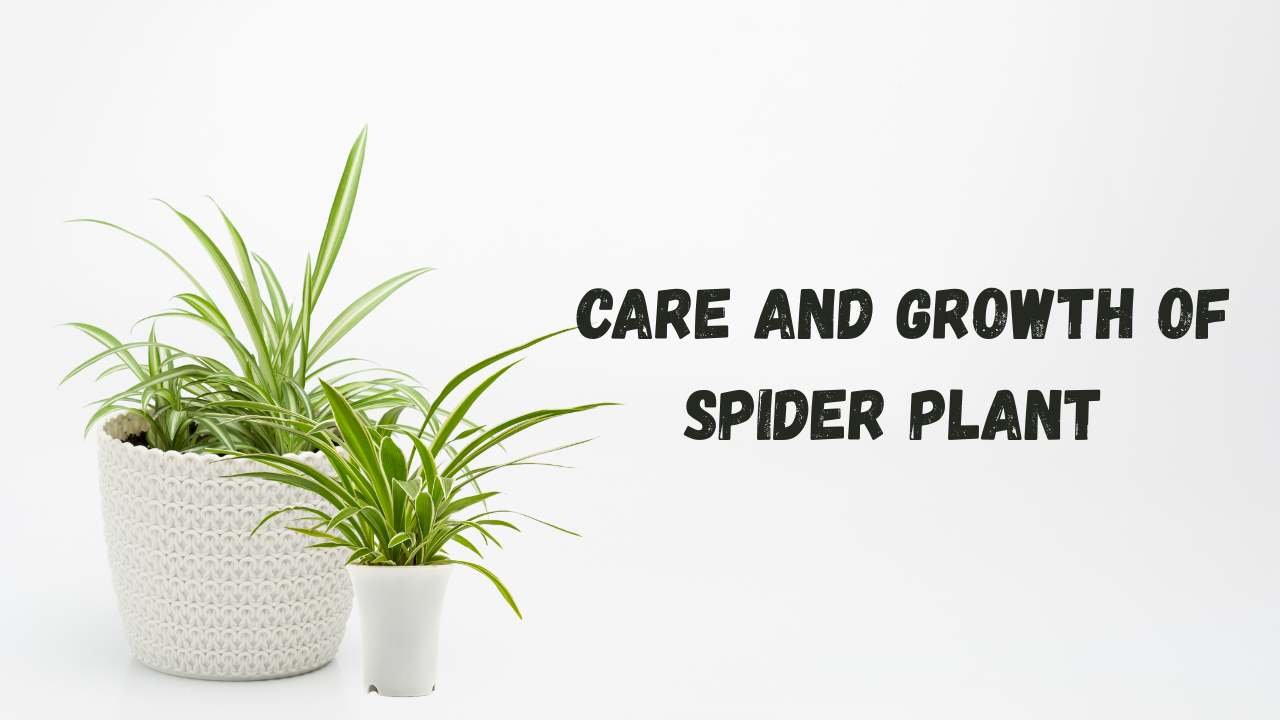
The Spider Plant, also known by its scientific name Chlorophytum comosum, is one of the most graceful and easy-going indoor plants you can grow. With its long, arching leaves that are beautifully striped in green with white or golden edges, it adds a fresh, lively touch to any room.
One thing that makes spider plants stand out is their cascading growth habit. Their leaves spill gently over the edges of pots, making them perfect for hanging baskets or high shelves where their natural shape can shine. I often place mine near windows or in garden corners where the sunlight softly filters through their leaves — it instantly brightens up the space.
As a horticulturist and a lifelong plant lover, I admire how versatile and reliable this plant is. Whether in my home office or hanging in the porch, my spider plants always stay lush with very little effort. And there’s an added bonus — it’s a wonderful air purifying plant, helping to clean indoor air and make your surroundings healthier.
That’s what makes the Spider Plant (Chlorophytum comosum) so special it’s not just beautiful, it’s practical, calming, and a perfect companion for anyone who loves plants.
Ideal Light Conditions
When it comes to light, Spider Plants truly enjoy a balance not too much, not too little. They thrive best in bright, indirect sunlight, which helps them grow lush and healthy. Too much direct sun can scorch their delicate leaves, leaving brown tips, while keeping them in a dark corner can make their growth slow and weak.
From my own experience as a gardener and horticulturist, I’ve found that rotating the plant every couple of weeks helps it grow evenly from all sides. Spider Plants naturally reach toward the light, so a simple turn now and then keeps them looking full and balanced.
I usually keep my spider plants near a window where the soft morning light filters in — just the right amount of brightness without burning the leaves. This gentle light brings out their beautiful green and white stripes and keeps the plant looking vibrant all year round.
With the right indoor lighting for your Spider Plant, you’ll notice steady, graceful growth that makes your home feel more alive and refreshing.
Watering (The Key to Healthy Growth)
One of the most important parts of Spider Plant care is getting the watering just right. These plants prefer moderate watering, usually about once a week, depending on your home’s temperature and humidity. The key is to let the soil dry out slightly between waterings — they don’t like to stay too wet for long.
A simple trick I often use is the finger test: just dip your finger into the soil about two inches deep. If it feels dry, it’s time to water. If it still feels damp, wait a few more days. This small habit helps prevent one of the most common problems — overwatering, which can lead to root rot.
As a horticulturist, I always tell people that good drainage is essential for Spider Plants. I make sure every pot I use has proper drainage holes, and I always empty the saucer after watering so that no water sits at the bottom. Spider Plants really dislike having “wet feet.”
Following this simple routine of mindful watering will keep your Spider Plant strong, healthy, and full of life. Remember, when in doubt, it’s better to underwater than overwater — they’re quite forgiving plants.
Temperature and Humidity
Spider Plants are quite adaptable, but they grow best when kept in a comfortable temperature range of 60–80°F (15–27°C). That’s about the same range most of us enjoy indoors, which makes them perfect indoor plants.
Try to avoid cold drafts from windows or air conditioners and keep your plant away from direct heat from radiators or vents. Sudden temperature changes can stress the plant and cause the leaf tips to turn brown.
When it comes to humidity, Spider Plants love a moderate level. If your home air feels dry — especially in winter — a little extra care goes a long way.
I often mist my spider plants every few days during the colder months, and it really helps prevent browning at the leaf tips. You can also keep them near other plants to naturally increase humidity in that area.
With the right Spider Plant temperature and humidity, you’ll notice the leaves stay greener, shinier, and much healthier throughout the year.
Soil and Potting Needs
For healthy growth, Spider Plants need well-draining, loamy soil that allows both air and water to move freely around the roots. A mix of potting compost, perlite, and a little sand works perfectly — it keeps the soil light and prevents it from getting soggy.
Interestingly, Spider Plants actually prefer to be slightly pot-bound. When their roots fill the pot a little, they tend to produce more offshoots or “pups”, which you can later propagate into new plants. It’s one of the reasons I love growing them — they naturally multiply and make perfect gifts for friends or to decorate more corners of your home.
From my experience, I usually repot my Spider Plants every 2–3 years, and I find that spring is the best time to do it. The plant is in its active growth phase then and recovers fastest after repotting. Just move it to a slightly bigger pot, refresh the soil, and you’ll soon see new, lively leaves emerging.
With the right Spider Plant soil and potting care, your plant will stay healthy, vibrant, and full of fresh energy all year round.
Feeding the Plant
Like most houseplants, Spider Plants enjoy a little boost during their growing season. I recommend feeding them once a month in spring and summer with a water-soluble fertilizer that’s gentle and balanced. This helps keep their leaves fresh, green, and strong as they produce new growth and offshoots.
However, it’s important not to over-fertilize. Giving too much can actually harm the plant and cause brown tips on the leaves. A light feeding is always better than overdoing it — Spider Plants don’t need a lot to stay healthy.
From my own gardening experience, I always skip feeding during the winter months, as the plant naturally slows down its growth then.
During that time, I simply focus on light watering and letting it rest. Once spring returns, a little fertilizer and care bring it right back to life.
Remember, when it comes to Spider Plant care, a little patience and consistency go a long way.
Propagation – Growing Baby Spider Plants
One of the most enjoyable parts of caring for Spider Plants is watching them grow tiny “spiderettes” or “pups” that dangle gracefully from the mother plant. These little offshoots are a sure sign that your plant is happy and healthy — and they’re incredibly easy to grow into new plants.
Follwimg is the way, how I usually propagate my Spider Plants step by step:
- Cut the pup gently from the mother plant using clean scissors once it’s grown a few small roots or brown nodules underneath.
- Place the pup in water and let it sit for about 2–4 weeks. During this time, you’ll notice new white roots forming.
- Once the roots are about an inch long, transfer the baby plant into soil and water it lightly. Keep the soil just moist until it starts growing new leaves.
Over the years, I’ve found this process not only easy but also rewarding. I often gift these little offshoots to friends and family, and they always root quickly — a lovely reminder of how generous and giving Spider Plants can be.
Why I Recommend Spider Plants for Every Home
After years of growing all kinds of houseplants, I can confidently say that Spider Plants are among the most rewarding ones to keep. They’re perfect for beginners, busy people, or anyone who wants a touch of green without much effort.
What I love most is how resilient and forgiving they are. Even if I forget to water mine for a few days, it stays fresh and lively — as if it understands that life gets busy sometimes. With just a little light, occasional watering, and basic care, it continues to grow beautifully and even surprises me with baby offshoots now and then.
That’s why I often call the Spider Plant the perfect “starter plant” — it teaches patience, brings life to any room, and asks for so little in return. For me, it’s more than a plant; it’s a reminder that simple care and consistency can create lasting beauty.
Conclusion
With just a bit of bright light, weekly watering, and occasional feeding, your Spider Plant will reward you with years of healthy, graceful growth. It’s a plant that truly asks for little but gives back so much — cleaner air, vibrant greenery, and a touch of calm to any corner of your home.
I’ve grown many plants over the years, but the Spider Plant always holds a special place for me. Watching it send out new pups and fill my space with fresh energy never fails to bring joy. Once you bring one home and give it a little care, you’ll see why this timeless green companion has been loved by plant lovers for generations.