How to Care for Ferns? Avoid killing them
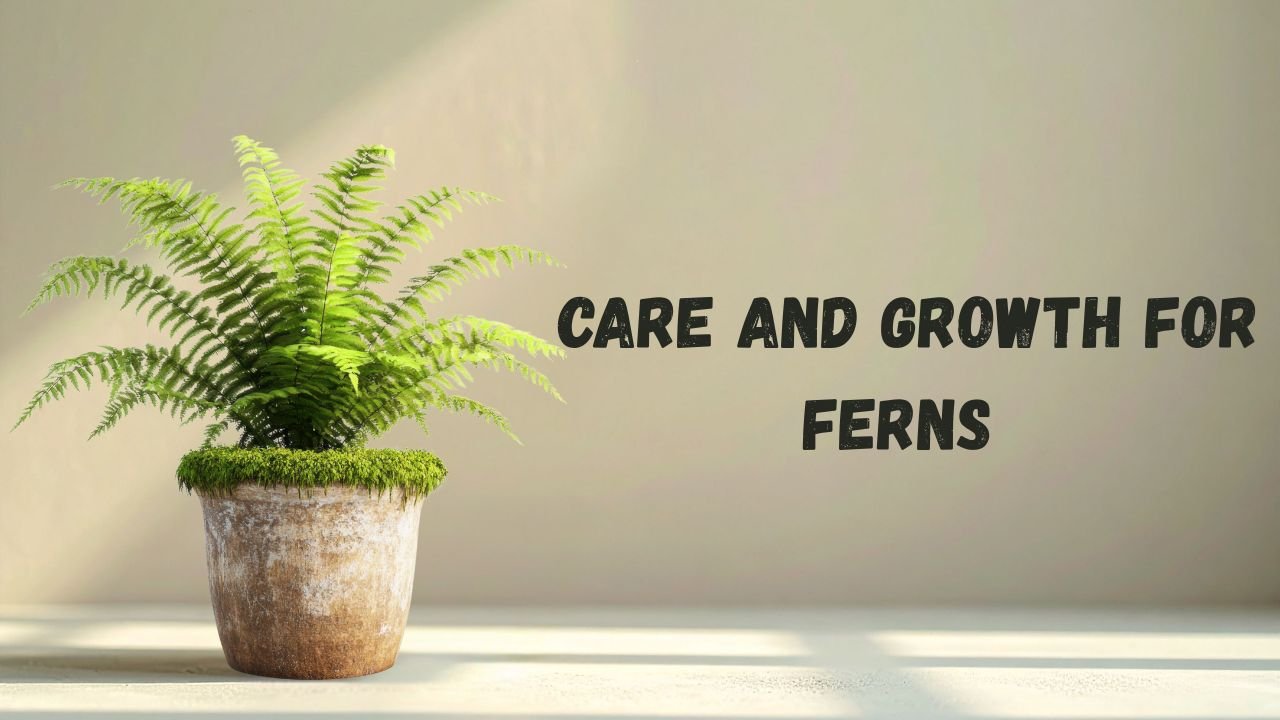
There’s something truly calming about ferns is their soft, arching fronds and lush green color bring a quiet beauty that few other plants can match. Whether growing in a shaded garden corner or adding freshness to an indoor shelf, ferns have a way of creating a peaceful, natural look that always feels timeless.
As an expert, I’ve always admired ferns for their delicate charm. They remind me of the forest, cool, green, and full of life. But I’ll admit, in my early days, keeping ferns healthy wasn’t easy. They seemed sensitive, quick to dry out, and hard to please. Over time, though, I learned that ferns aren’t difficult, they just need the right environment and a little consistent care.
In this guide, I’ll share what I’ve learned from years of growing and caring for ferns, simple, effective steps that will help you understand their needs and help your plants thrive. With the right attention and a touch of patience, ferns can become some of the most rewarding plants you’ll ever grow.
| Care Aspect | What Ferns Need | Tips from My Experience |
|---|---|---|
| Light | Bright, indirect sunlight | Place near east or north-facing windows; avoid direct sun. |
| Water | Keep soil moist but not soggy | Water when the top feels slightly dry; morning watering works best. |
| Humidity | High humidity (like a forest floor) | Mist daily, use a pebble tray, or place near bathrooms/kitchens. |
| Soil | Light, humus-rich, and well-draining | Mix peat moss, perlite, and compost for perfect balance. |
| Temperature | 18–24°C (65–75°F) | Keep away from fans, vents, and cold drafts. |
| Fertilizer | Mild, diluted liquid feed during spring and summer | Use organic or compost-based fertilizer once or twice a month. |
| Common Issues | Brown or yellow fronds, slow growth | Adjust humidity, drainage, or light — ferns bounce back quickly. |
The Essentials of Fern Care
Caring for ferns is all about understanding their natural love for shade, moisture, and gentle care. Over the years, I’ve learned that when you recreate their forest-like environment, they reward you with soft, green, and healthy fronds. Here’s how I care for mine, with a mix of knowledge and daily practice.
1. Keep the Humidity High
Ferns absolutely love humidity because they absorb moisture through their fronds. Dry air can make their leaves crisp and brown, so it’s important to keep the air around them moist.
To do this, I mist my ferns lightly every day, especially during warm or dry weather. You can also place a pebble tray with water under the pot or group your plants together this naturally raises humidity. From my experience, ferns also thrive beautifully near bathrooms or kitchens, where the air stays comfortably moist.
2. Watering – Moist but Never Soggy
Ferns like their soil to be consistently moist but not waterlogged. I always check the top of the soil, when it feels slightly dry, it’s time to water. Pour just enough to moisten the soil without soaking it completely.
Overwatering is a common mistake. Soggy roots can cause rot, which ferns can’t recover from easily. I also mist the fronds regularly, which helps keep them fresh and hydrated. Personally, I prefer watering my ferns in the morning, so they have enough time to absorb moisture before night.
3. Choose the Right Soil Mix
Healthy ferns start with the right soil. They prefer light, humus-rich, and well-draining soil that can still hold moisture.
I usually make my own fern mix at home. I combine peat moss, perlite, and garden compost in equal parts. The peat moss helps keep the soil moist, the perlite improves drainage and airflow, and the compost adds natural nutrients that ferns love. This blend keeps the roots healthy and prevents water from sitting too long in the pot.
This blend keeps the soil soft and airy, allowing the roots to breathe while staying moist. Avoid heavy clay soils, which hold too much water, and sandy soils, which dry out too fast. My personal soil blend has never failed to keep my ferns lush and happy.
4. Give Bright, Indirect Light
Ferns love bright but indirect light too much direct sun can burn their delicate fronds. I’ve found that placing them near an east or north-facing window gives them just the right amount of gentle light.
If your room doesn’t get much natural sunlight, grow lights are a great help. I once noticed my ferns losing color from too much sun exposure, but when I moved them slightly away from direct light, their green color came back beautifully.
5. Keep a Cozy Temperature
Ferns grow best in temperatures between 18–24°C (65–75°F). They dislike sudden changes, so try to keep them away from cold drafts, air conditioners, or heaters. A steady, comfortable room temperature helps them stay relaxed and healthy.
In my home, I keep ferns in rooms where the air feels natural ,not too cold or hot and they respond by growing new fronds all year round.
6. Feed Lightly and Seasonally
Ferns don’t need heavy feeding. During spring and summer, I give them a mild, diluted liquid fertilizer once or twice a month to support their growth.
Too much fertilizer can burn their fronds or make the soil too rich, so light feeding is key. Personally, I prefer organic or compost-based feeds, they’re gentle and release nutrients slowly. This keeps my ferns nourished without overwhelming them.
Common Fern Problems & Quick Fixes
Even the healthiest ferns can sometimes show signs of stress, but the good news is, they’re quite forgiving once you understand what they need. Over the years, I’ve learned to read these small signs, and a few simple changes can quickly bring them back to life.
- Brown tips: This usually means the air is too dry or the humidity is too low. Try misting your ferns more often or placing a pebble tray with water under the pot to raise moisture around them.
- Yellow leaves: Often a sign of overwatering or poor drainage. Allow the soil to dry slightly before watering again, and make sure the pot has good drainage holes.
- Drooping fronds: This can happen due to sudden temperature changes or low light. Move your fern to a stable, warm spot with bright, indirect light.
- Slow growth: If your fern isn’t growing well, the roots might be crowded. It’s time to repot into a slightly larger pot with fresh soil to give it space to breathe and grow.
Easy Ferns for Beginners To Grow
If you’re new to growing ferns, don’t worry, there are several varieties that are hardy, adaptable, and perfect for beginners. Over time, I’ve grown many kinds, and these are the ones I’ve found easiest to care for, even in indoor spaces.
- Boston Fern (Nephrolepis exaltata): A classic indoor fern with long, feathery fronds. It loves humidity and looks beautiful in hanging baskets.
- Bird’s Nest Fern (Asplenium nidus): Known for its broad, wavy leaves that grow in a rosette shape. It tolerates lower light better than most ferns.
- Button Fern (Pellaea rotundifolia): Compact and easy to manage, this fern has small round leaves that add charm to tabletops.
- Lemon Button Fern: A smaller, cheerful fern with light green fronds that give off a soft lemon scent when touched.
- Staghorn Fern (Platycerium bifurcatum): A striking fern that grows on boards or hanging mounts — perfect if you want a unique display piece.
If you want to know my personal choice that is Boston Fern. Very easy to grow and low maintenance plant. it looks very charming and gives a very bright color in garden.
Conclusion
Caring for ferns is like bringing a small piece of the forest indoors, soft, green, and full of life. These plants have a calm beauty that transforms any corner of your home into a refreshing, natural space. With the right balance of humidity, light, and care, ferns will thrive and reward you with their lush, graceful fronds.
I always tell fellow plant lovers that ferns teach patience, they respond slowly but beautifully to gentle, consistent care. Don’t be discouraged if yours takes a little time to adjust. Once you understand your fern’s rhythm, it will reward you with endless, elegant greenery all year long.
FAQ (Quick Answers for Fern Lovers)
Q1: Why do my fern leaves turn brown?
Brown fronds usually mean low humidity or dry air. Mist your fern regularly, use a pebble tray, or keep it in a more humid room like a bathroom.
Q2: How often should I mist my fern?
Ideally, once a day or every other day, especially in dry climates. Morning misting helps the fronds stay fresh throughout the day.
Q3: Can ferns grow in low light?
Yes, but they still need some bright, indirect light. Ferns kept in very dark spaces may grow slower, so consider adding a grow light if natural light is limited.
Q4: What is the best fertilizer for indoor ferns?
Use a mild, diluted liquid fertilizer once or twice a month during spring and summer. Organic or compost-based feeds are best for slow, healthy growth.