How to Grow jade plant (Crassula ovata)?
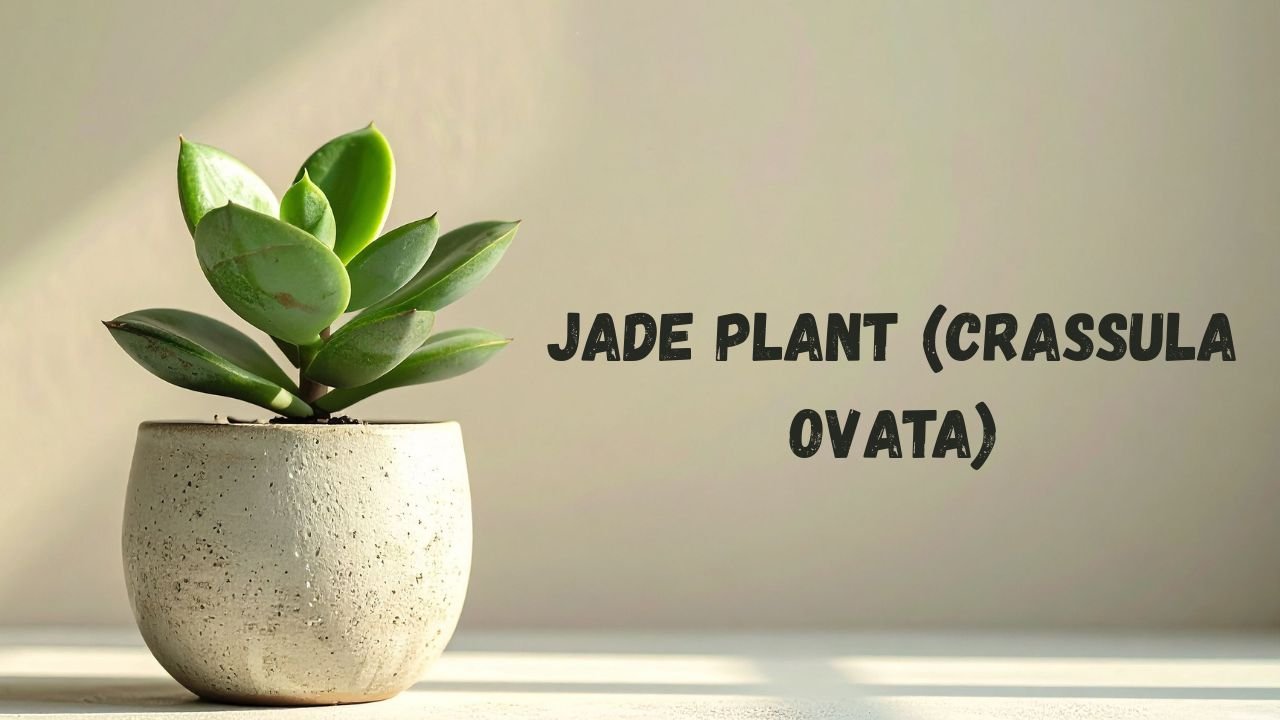
The jade plant (Crassula ovata) is one of those houseplants that never fail to impress. Often called the money plant, friendship tree, or lucky plant, it’s known not only for its thick, glossy leaves but also for the good luck and prosperity it’s believed to bring to homes.
As someone who loves plants and has spent years caring for them, I can confidently say that the jade plant is among the easiest and most rewarding succulents to grow. It doesn’t demand much, just the right amount of light, occasional watering, and a bit of attention now and then.
Over the years, I’ve grown many jade plants, and I’ve learned that with the right care and patience, this beautiful plant can live for decades, becoming a true companion in your garden or indoor space.
In this guide, I’ll walk you step by step through everything you need to know to grow and care for your jade plant successfully, so it stays healthy, green, and full of life all year round.
Quick Care Guide for Jade Plant (Crassula ovata)
| Care Aspect | Details & Tips |
|---|---|
| Light | Bright, direct sunlight for 4–6 hours daily; near a south-facing window is ideal. |
| Temperature | Prefers 65–75°F (18–24°C) during the day and 50–55°F (10–13°C) at night. |
| Watering | Water only when the top inch of soil is dry. Less in winter, more in spring and summer. |
| Soil | Use well-draining mix – potting soil + coarse sand + perlite. |
| Fertilizer | Feed lightly every 2–3 months during active growth (spring/summer). No feeding in winter. |
| Propagation | Easy from leaf or stem cuttings – let them dry before planting. |
| Pruning & Repotting | Prune in spring/summer; repot every 2–3 years into a slightly larger pot. |
| Common Problems | Dropping leaves = under-watered; soft leaves = over-watered; white spots = mealybugs. |
| Pet Safety | Toxic to cats and dogs. Keep out of reach or use pet-safe deterrent sprays. |
Choosing the Right Spot – Sunlight and Temperature
Jade plants truly enjoy bright, direct sunlight, and this is one of the main secrets to keeping them healthy and strong. They love soaking up the sun for about 4–6 hours a day, which helps them grow those thick, glossy leaves we all admire.
If you’re keeping your jade plant indoors, the best place is near a south-facing window where it can enjoy plenty of natural light. These plants love warmth, so try to maintain a temperature between 65–75°F (18–24°C) during the day and around 50–55°F (10–13°C) at night.
During care and propagation process, I’ve noticed that morning sunlight works best for jade plants. It’s gentle and helps them grow evenly. However, I always protect them from the harsh afternoon rays, as too much direct sun can cause leaf burn.
If you don’t have enough natural light indoors, you can also use a grow light to supplement sunlight. The main goal is to give your jade plant a bright, warm spot , and it will thank you with lush, vibrant growth.
Soil and Potting Mix – A Good Start Matters
When it comes to growing a healthy jade plant, the right soil makes all the difference. These plants don’t like sitting in wet soil, so it’s important to use a well-draining mix that lets water flow out easily.
I recommend using a combination of coarse sand, perlite, and regular potting soil. This mix keeps the soil airy and prevents it from holding too much moisture. You can also buy a ready-made succulent or cactus mix, which works perfectly for jade plants.
Avoid using heavy or clay-based soil, as it can trap water around the roots and cause root rot. Make sure your pot has drainage holes at the bottom, this allows extra water to escape and keeps the roots safe.
I like to add a small layer of fine gravel at the bottom of the pot before planting. It helps improve drainage and keeps the roots dry and healthy. With the right soil and a well-drained pot, your jade plant will have the perfect start to grow strong and beautiful.
Watering the Right Way, Less Is More
One of the most important things to remember about jade plants is that they are succulents, which means they store water in their leaves and stems. Because of this, overwatering is the biggest mistake people make. Too much water can easily lead to root rot, and once that happens, it’s hard for the plant to recover.
The best way to water your jade plant is to wait until the top inch of soil feels completely dry before watering again. In the warmer months (spring and summer), watering every 2–3 weeks is usually enough. During the cooler months (winter), when the plant grows more slowly, you can cut back to once a month or even less.
I always check the soil with my finger before watering, it’s the simplest and most reliable way to know if the plant really needs it. If the soil feels even a little damp, I wait a few more days. Remember, it’s always better to underwater a jade plant than to overwater it. A little patience goes a long way toward keeping it healthy and thriving.
How to Propagate Jade Plant(Crassula ovata)
One of the things I love most about the jade plant is how easy it is to propagate. You can grow new plants from just a leaf or a small stem cutting, and it’s a simple, rewarding process.
i do it in following way,
- Cut a healthy leaf or stem about 3–4 inches long from the mother plant.
- Let it dry for a few days in a shaded spot so a small callus forms over the cut, this helps prevent rot.
- Once it’s dry, plant it in slightly moist soil and keep it in bright, indirect sunlight.
- In just a few weeks, tiny roots will begin to develop, and you’ll soon see a new jade plant starting to grow.
From my own experience, I’ve rooted many jade cuttings this way, and it’s always a joy to watch new life emerge from a single leaf. It’s a simple and natural way to expand your collection or even share healthy new plants with friends and family.
Pruning and Repotting – Keep It in Shape
Pruning and repotting are easy, simple but important steps in keeping your jade plant healthy and well-shaped. I’ve noticed over the years that regular care helps the plant stay compact, strong, and full of fresh new growth.
Pruning:
Always prune your jade plant in spring or summer, when it’s actively growing. This is the best time because the plant can heal quickly. Avoid removing more than one-third of its height at a time. Pruning helps control the size, encourages branching, and gives the plant that lovely bushy, tree-like look many gardeners admire.
Repotting:
Jade plants don’t mind being a bit root-bound, but it’s good to repot every 2–3 years or when you notice roots coming out of the drainage holes. When repotting, choose a slightly larger pot with proper drainage and use a well-draining soil mix. This keeps the roots healthy and prevents rot.
I prefer pruning right after repotting — it gives the plant a fresh start and encourages strong new growth. With this routine, your jade plant will stay beautiful and thriving for years.
Common Problems and Easy Fixes
Even though the jade plant is one of the easiest houseplants to care for, a few small issues can pop up from time to time. The good news is that most of them are easy to fix once you know what to look for.
Following some common signs are given and their meaning:
- Dropping leaves → Your plant is probably under-watered. Give it a good drink and make sure the soil stays slightly moist (but not soggy).
- Soft or mushy leaves → This means over-watering. Let the soil dry completely before watering again.
- White cottony spots → These are mealybugs. You can wipe them off gently with a cotton swab dipped in rubbing alcohol.
- Pale or weak growth → The plant needs more sunlight. Move it to a brighter spot where it can get at least a few hours of direct light daily.
A jade plant often “talks” through its leaves. If you ever notice wrinkled or slightly shriveled leaves, that’s its way of asking for a drink. With just a little observation and quick care, your jade will bounce back beautifully every time.
Conclusion
Caring for a jade plant is more than just looking after another houseplant , it’s like growing a little piece of calm and good fortune in your home. With the right sunlight, a bit of patience, and gentle watering, your jade plant will reward you with years of lush, green beauty and a touch of positive energy.
Over time, you’ll notice how this plant grows stronger and more graceful just like we do when cared for with attention.
I’ve seen my jade plants grow alongside me, steady, resilient, and full of life. Truly, it’s a plant that keeps giving.