How to Grow Orchids?
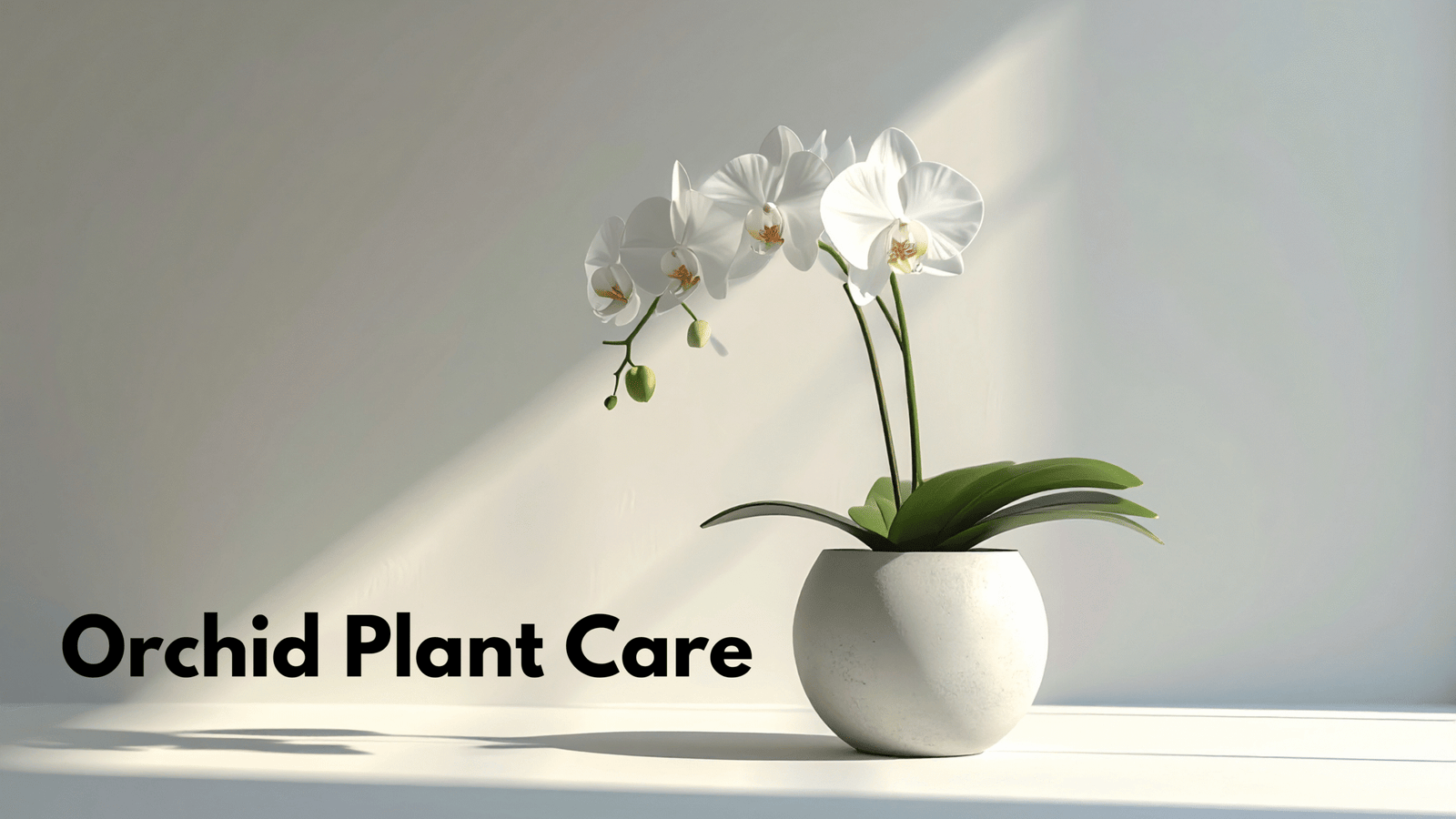
Orchids are one of the most beautiful and popular indoor flowering plants. Their bright colors, unique shapes, and long-lasting blooms make them a favorite choice for homes, offices, and gardens. A healthy orchid plant can keep its flowers for several weeks or even months, which makes it very attractive as a decorative plant.
Orchids belong to the Orchidaceous family, one of the largest plant families in the world. There are more than 25,000 species of orchids, along with thousands of hybrid varieties. Another amazing thing about orchids is their lifespan, when grown under the right conditions, many orchids can live for 10–15 years or even longer.
Being a horticulturist, I have worked with many ornamental plants, and orchids are interesting and rewarding to grow. In this guide, we will learn how to grow and care for orchids in a simple and practical way, so even beginners can grow healthy and beautiful orchid plants at home.
Understanding Orchids Before Growing Them
Before growing orchids, it is important to understand how these plants grow in nature. Many orchids are epiphytes, which means they naturally grow on trees instead of in soil. Their roots attach to tree bark and absorb moisture from rain and humidity in the air.
Because of this natural habit, orchid roots need good air circulation and proper drainage. They cannot grow well in heavy garden soil. That is why orchids are usually planted in bark, moss, or other loose growing media that allow air to reach the roots and water to drain quickly.
Orchids are also a little different from normal houseplants. They need balanced light, moderate watering, and a well-drained growing medium to stay healthy.
I often see beginners treating orchids like ordinary plants. They plant them in regular soil and water them too frequently, which often causes root rot and poor growth. Once you understand that orchids grow naturally on trees and need airflow around their roots, caring for them becomes much easier.
Choosing the Right Orchid Variety

When starting orchid growing, it is very important to choose the right variety. There are many orchid types, but beginners should select those that are easy to grow and adaptable.
The Phalaenopsis (Moth Orchid) is the best choice for beginners. It grows well indoors and produces long-lasting flowers. It also needs less care compared to other orchids.
The Cymbidium Orchid is another good option. It has strong plants and beautiful flower spikes and can tolerate slightly cooler conditions.
The Vanda Orchid is very colorful but needs more sunlight and humidity, so it is better for growers with some experience.
The Oncidium Orchid, known as the Dancing Lady, is also popular because of its bright yellow decorative flowers.
I mostly recommend Phalaenopsis orchids to new growers because they are simple to maintain and give reliable flowering.
Light Requirements for Orchids

Light plays a very important role in orchid growth and flowering. Orchids prefer bright but indirect light, which means they need good light but should be protected from strong direct sun.
The best place indoors is near an east- or north-facing window. Too much direct sunlight can cause leaf burn and yellow spots, while very low light can reduce or stop flowering. Healthy orchid leaves usually look light green, showing that the plant is receiving proper light.
In practical work, I have also used grow lights and greenhouse shade nets where natural sunlight is limited. With proper light balance, orchids grow strong and bloom beautifully.
Watering Orchids Properly
Correct watering is essential for healthy orchids. The most common mistake is overwatering, which can damage roots. Orchids should be watered only when the growing medium becomes almost dry.
Always use lukewarm water and make sure the pot has proper drainage holes so extra water can flow out. Orchids do not like to stay in wet conditions for long.
Simple practical tips include checking moisture with your finger or lifting the pot to feel its weight. A lighter pot usually means the plant needs water. With proper watering habits, orchids remain healthy and produce beautiful flowers.
Ideal Temperature for Orchid Growth
Temperature plays a very important role in orchid growth and flowering. Most orchids grow best in moderate temperatures. The ideal temperature range for many common orchids is 18–24°C (65–75°F) during the day. At night, the temperature should not fall below 16°C (60°F).
If orchids are exposed to very high heat, they may become stressed. Leaves can lose moisture, flowers may drop early, and plant growth can slow down. Similarly, very low temperatures can damage roots and stop flowering.
From my experience in greenhouse and indoor growing conditions, maintaining stable temperature is the key. In greenhouses, shade nets and ventilation help control heat. Indoors, keeping orchids away from direct heaters, air conditioners, or cold drafts helps them stay healthy. A balanced temperature environment supports strong roots and regular blooming.
Humidity and Air Circulation
Orchids naturally grow in humid environments, so they prefer humidity levels between 40–60%. When humidity is too low, plant growth becomes slow, leaves may dry from the edges, and flower buds may fail to develop properly.
At the same time, good air circulation is very important. Stagnant air and excess moisture can lead to fungal and bacterial diseases. That is why orchids need both humidity and airflow in balance.
You can place the orchid pot on a pebble tray filled with water to increase humidity. Using a fan on low speed or keeping windows slightly open can improve ventilation. proper humidity and gentle airflow have always helped orchids grow stronger and healthier.
Fertilizing Orchids
Orchids need regular but light feeding for healthy growth and flowering. A balanced fertilizer such as 10-10-10 or 20-20-20 is usually suitable. Fertilizer should be applied once a week during the growing season, especially in spring and summer. you can use organic fertilizer as well.
During winter, orchid growth slows down, so fertilizer application should be reduced or stopped. Over-fertilizing can damage roots and reduce flowering.
I recommend using diluted liquid fertilizer (quarter strength) and applying it after watering. This method helps plants absorb nutrients safely and encourages better blooms.
Best Potting Medium for Orchids
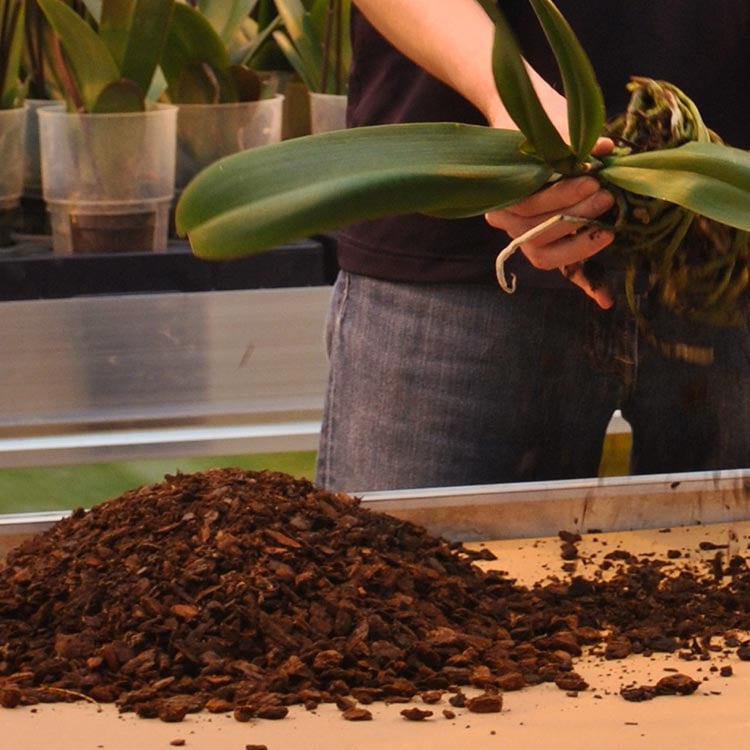
Choosing the right potting medium is essential for successful orchid growing. Orchids should never be planted in regular garden soil because heavy soil holds too much water and blocks air from reaching the roots.
Instead, orchids grow best in loose and well-drained media such as bark mix, moss mix, or perlite. These materials allow water to drain quickly while keeping some moisture for the plant.
i made a good potting mix by combining bark pieces, a small amount of moss, and some perlite. This mixture provides proper drainage, airflow, and root support. When orchids are planted in the right medium, they grow stronger and produce better flowers.
Repotting Orchids
Repotting is an important part of orchid care. Orchids should usually be repotted every 1–2 years to maintain healthy growth. Over time, the growing medium starts to break down and hold too much moisture, which can damage the roots.
There are some clear signs that your orchid needs repotting. If you notice roots coming out of the pot, or if the bark or moss becomes soft and soggy, it means the plant needs fresh medium. Slow growth and poor flowering can also be signs.
Simple repotting steps are easy to follow. First, gently remove the orchid from the old pot. Then trim dry or rotten roots using clean scissors. After that, place the plant in a slightly larger pot and fill it with fresh orchid potting mix. Finally, water lightly and keep the plant in shade for a few days so it can adjust.
Pruning Orchids After Flowering

Pruning orchids after flowering is very helpful for encouraging a new blooming cycle. When flowers dry and fall, the old flower spike should be removed so the plant can focus its energy on new growth.
For many orchids like Phalaenopsis, you can cut the spike just above a node, which may help the plant produce another flower spike. For other orchid types, it is better to cut the spike near the base.
Always use clean and sterilized tools to avoid spreading diseases. In my practical work, I have noticed that proper pruning, along with good light and feeding, often helps orchids rebloom faster and more beautifully.
Common Problems in Orchid Growing
While orchids are rewarding plants, growers may face some common problems. One major issue is root rot, usually caused by overwatering or poor drainage. The best solution is to remove damaged roots and repot in fresh medium.
Another problem is bud drop, where flower buds fall before opening. This can happen due to sudden temperature changes, low humidity, or improper watering. Maintaining stable growing conditions helps prevent this issue.
Yellow leaves may indicate overwatering, too much sunlight, or nutrient imbalance. Adjusting watering and light conditions usually solves the problem.
Orchids can also be attacked by pests such as aphids, mealybugs, and scale insects. These can be controlled by gently wiping leaves with cotton dipped in mild alcohol solution or using safe horticultural sprays.
Conclusion
Growing orchids may look difficult at first, but in reality, these plants are easy to manage when you understand their natural needs. Orchids are unique because they grow differently from normal houseplants. They require proper light, moderate watering, good air circulation, suitable temperature, and a well-drained growing medium.
As a horticulturist and consultant, I can bet you can be a good orchid grower simply by following basic care principles and observing their plants regularly. Orchids can reward your patience with long-lasting, beautiful flowers and can live for many years when given the right environment.
Remember, the key to successful orchid growing is balance, not too much water, not too much sunlight, and not too much fertilizer. With proper care, orchids can become one of the most satisfying and decorative plants in your home or garden.
If you treat your orchids with attention and understanding, they will continue to grow, bloom, and bring natural beauty into your space for years to come.
Frequently Asked Questions (FAQ)
1. Are orchids difficult to grow?
No, orchids are not difficult if you provide the right growing conditions such as indirect light, proper watering, and good drainage.
2. How often should I water my orchid?
It requires less water so water your orchid only when the growing medium becomes almost dry. Overwatering is the most common mistake.
3. Why is my orchid not flowering?
Lack of flowering is usually due to low light, improper fertilization, or temperature stress.
Improve its light exposure.
4. Can orchids grow in normal garden soil?
No, orchids should never be planted in regular soil. They need bark, moss, or other loose growing media for proper root aeration.
5. How long do orchid flowers last?
Orchid blooms can last several weeks to months, depending on the variety and care.
6. When should I repot my orchid?
Orchids should be repotted every 1–2 years, or when roots outgrow the pot and the medium breaks down.
7. What pests attack orchids?
Common pests include aphids, mealybugs, and scale insects. These can be controlled with safe sprays or mild alcohol treatment.
8. Can orchids rebloom?
Yes, with proper pruning, light, and nutrition, orchids can rebloom many times during their life.