Learn how to prepare Vermicopmost At Home
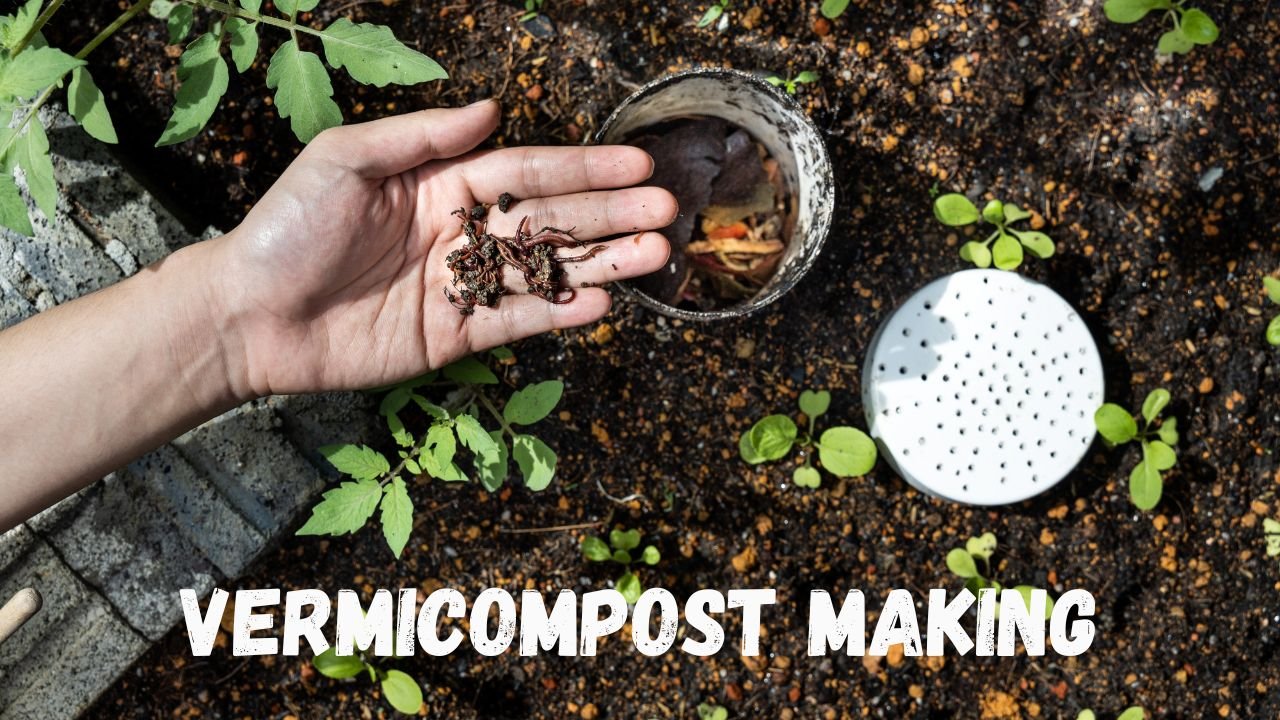
Worm compost, also called vermicompost, is a natural plant food made by special worms that eat kitchen waste and turn it into rich, dark compost. These tiny vermicompost worms work day and night to change fruit peels, vegetable scraps, and paper into healthy soil.
Making worm compost at home is fun, simple, and helps reduce waste. It’s a great way to care for your garden or kitchen garden, while giving your plants the best natural food to grow strong and green. with my pervious experience of gardening and in horticulture, I believe vermicomposting is one of the easiest and most rewarding ways to keep your plants happy and healthy.
What You Need to prepare Vermicompost
To make vermicompost at home, you need just a few simple things. Take a plastic box or vermicompost bin and make small holes in it for air to pass through. Add some wet newspaper or cardboard at the bottom — this will be the soft bed for your worms.
Now, bring some redworms (also called red wigglers). These worms are special because they love eating fruit and vegetable waste. You’ll also need kitchen scraps like fruit peels and vegetable bits to feed your vermicompost worms. Lastly, find a cool, dark place to keep your bin safe and comfortable for the worms.
Setting Up the Worm Bin
First, spread the wet newspaper or cardboard evenly at the bottom of your bin. This will keep the worms moist and happy. Then, gently add the worms on top of the bedding and let them settle.
Next, cover them with a thin layer of food scraps like banana peels, apple bits, or leftover veggies. Keep the bin slightly damp, not too dry and not too wet. Close the lid, and place the bin in a shady area, away from sunlight. Your worms will soon start their work of making rich, dark worm compost!
Feeding the Worms
Feeding worms is very simple. I usually give them food two to three times a week. Worms love soft kitchen waste like fruit peels, vegetable bits, coffee grounds, and tea leaves. To help them eat faster, I always cut the food scraps into small pieces.
Never feed worms meat, oil, or dairy, as these can smell bad and harm the worms. After adding food, I cover it with a layer of moist bedding such as newspaper or cardboard strips. This keeps the bin clean, stops fruit flies, and helps worms stay happy and healthy while they work on making rich vermicompost for your garden.
Caring for Worms
Taking care of worms is very easy. I always keep their bedding moist but not too wet, just like a damp sponge. This helps worms breathe and stay healthy. If the bin looks dry or the worms seem slow, I simply spray a little water to make it fresh again.
I also stir the compost once in a while to give the worms some air and keep the mix soft. Worms grow quickly and often make baby worms, so your bin will soon be full of happy helpers. With a little care, they will keep turning waste into rich, healthy vermicompost for your garden.
Harvesting the Compost
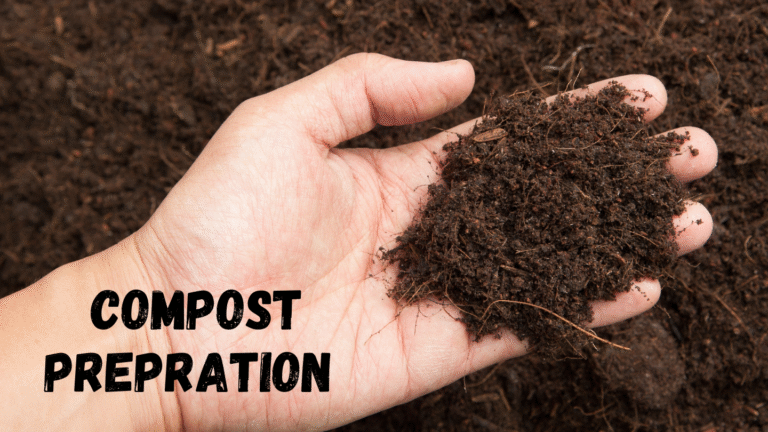
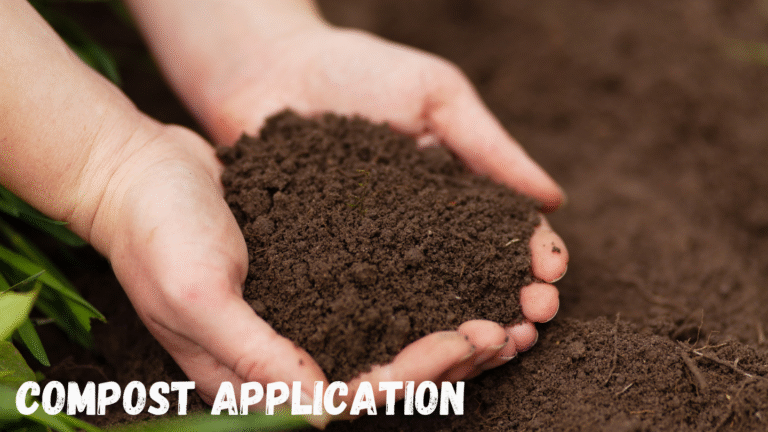
After about 2–3 months, your worm compost will be ready to use. You can tell it’s ready when the compost looks dark brown, soft, and smells like fresh soil.
At this stage, I slowly move the worms and half-eaten scraps to one side of the bin. The other side, which looks fine and crumbly, is the finished compost. I gently collect it using a small shovel or my hands.
You can then use this compost in your garden, kitchen garden, or pots. It’s a natural fertilizer full of nutrients like nitrogen, phosphorus, and potassium, which help plants grow healthy and strong. Always store the extra compost in a cool, dry place so it stays fresh and doesn’t lose its goodness.
Benefits of Worm Compost
Worm compost, also called vermicompost, is one of the best natural fertilizers for plants. It makes the soil soft and rich, helping roots spread easily and take in more air and water. Plants grown in worm compost often look greener and grow faster because the compost gives them steady nutrients.
It also helps the soil hold moisture longer, which means you don’t need to water your plants as often. Using worm compost reduces the need for chemical fertilizers, which can harm the soil in the long run.
Another great thing is that worm composting recycles kitchen waste, keeping the environment clean and protecting nature from pollution.
My Personal Way to Use Compost
In my garden, I always use worm compost with great care. I like to mix the compost with garden soil before planting new plants.
My favorite mix is 1/3 compost, 1/3 garden soil, and 1/3 sand or silt. This blend keeps the soil light and airy so roots can grow easily.
For hanging pots, I use a lighter mix by adding materials like cocopeat or perlite to keep the pot light and prevent waterlogging. Sometimes, I’ve tried using wood waste as a cheaper option, but I don’t recommend it now—it can contain bacteria or mold that may harm the plants.
To keep my plants healthy all year, I add a small handful of compost around the base of each plant every month. This gives the plants a slow and steady supply of nutrients, making them strong, green, and full of blooms. I also notice that when I use worm compost, my garden soil stays soft and full of earthworms, which means it’s alive and healthy.
Conclusion
Making vermicompost, or worm compost, is a simple and natural way to care for your plants. It helps turn kitchen waste into rich fertilizer using small red worms. This compost is full of nutrients that make plants grow faster, look greener, and stay healthy for a long time.
In my own garden, I have seen a big change after using vermicompost. The soil became soft and full of life, and my plants started growing better. It also helps the soil hold water for longer, so I don’t need to water my plants too often.
Another big benefit is that it reduces waste. Instead of throwing away food scraps, I use them to make something useful for my garden. It’s an easy and eco-friendly way to recycle.
If you love plants like I do, you should try making your own vermicompost bin. You don’t need a lot of space — even a small bin in your kitchen or balcony will work. Give your worms a little care, food, and moisture, and they’ll make rich, dark compost for you.
Using worm compost is good for both your plants and the planet. It helps you garden naturally while keeping your soil full of life. Once you start, you’ll see that vermicomposting is a small step that makes a big difference for your garden and the environment.