Succulent Propagation and Care
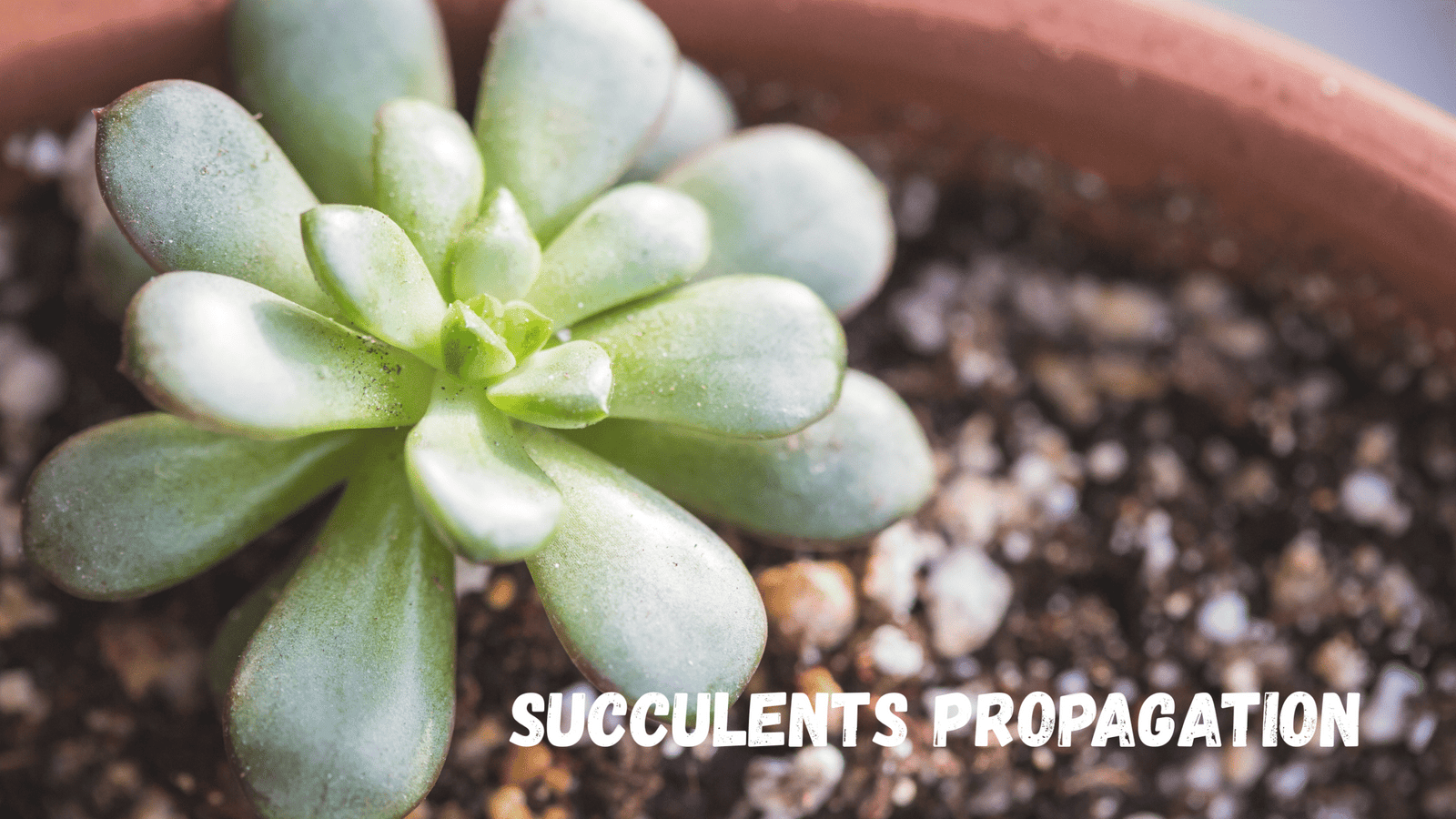
Succulents are some of the easiest plants to propagate, and that’s one reason I love them as a gardener and horticulturist. Plants like jade plant (Crassula ovata) store water and energy in their leaves and stems, which helps them grow new roots easily. Even a small, healthy cutting can turn into a full plant with very little effort.
My first successful propagation actually came from a broken jade leaf that I almost threw away. I placed it on dry soil, forgot about it for a few days, and then noticed tiny roots forming. That moment taught me that succulents don’t need much, just the right timing and patience.
In this article, I’ll share simple and practical propagation methods that work in real gardens and pots. I’ll also talk about common mistakes I’ve seen people make, and what truly works based on my own hands-on experience with succulents and jade plants.
Understanding Succulent Propagation
Propagation means growing a new plant from a part of the parent plant, such as a leaf, stem, or offset. Succulents like the jade plant do this easily because their thick tissues store water and energy. Before roots form, the cutting dries and heals, a process called callusing, which helps prevent rot.
As a beginner, I found jade plant and echeveria the easiest succulents to propagate because they grow well even with minimal care. From my experience, the best time to propagate is spring to early summer, when plants are actively growing and temperatures stay above 18–20°C.
Propagation in winter often fails due to slow growth and excess moisture. In hot climates, bright indirect light works best, while mild regions need warmth and airflow. With the right season and patience, succulent propagation becomes simple and successful.
Tools and Materials I Actually Use
Over the years, I’ve learned that succulent propagation doesn’t need fancy tools. I usually work with clean scissors or pruning shears, well-draining succulent soil, and small pots or shallow trays. A spray bottle is helpful, but only when the soil is completely dry and needs light moisture.
Rooting hormone is optional, and honestly, I rarely use it for jade plants. Succulents already root easily on their own, so extra products often don’t make much difference. In my experience, expensive grow lights and special gadgets are overrated good soil, clean cuts, and patience matter more.
Some Common methods
They are mostly grown by leaf propagation, by cutting and also separated from mother plant as offsets and Pups.
so, following are some common ways to propagate Succulents.
Leaf Propagation (Actually My Favorite One)
First, I choose a healthy leaf that looks full and green. Gently twist it off the plant so it comes out clean. Then leave the leaf alone for a few days so it can dry. After drying, place the leaf on top of the soil, not inside it. Don’t water it right away. When tiny roots grow, I spray a little water. My big mistake at first was giving too much water.
Plants like Echeveria and Sedum grow best this way. Small roots grow in about 2–3 weeks, and baby plants come after that.
Stem Cutting Propagation
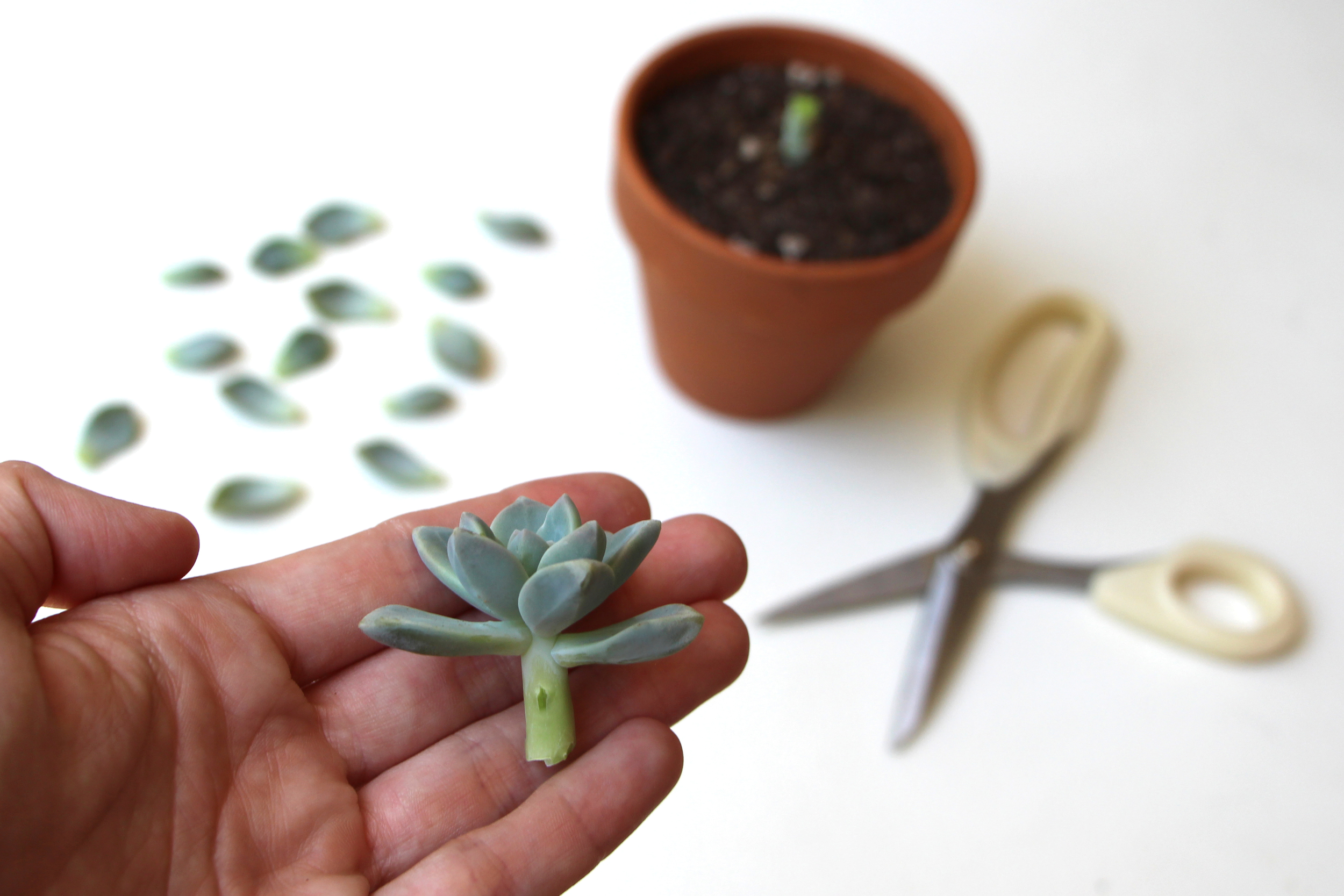
This method is good when a plant grows too tall or breaks. Cut a small piece of the stem with clean scissors. Now let it dry for a few days.
After drying, put the stem into dry soil and wait before watering it. The stem grows roots faster than leaves because it is stronger. This method helped me save many old jade plants.
Offsets and Pups
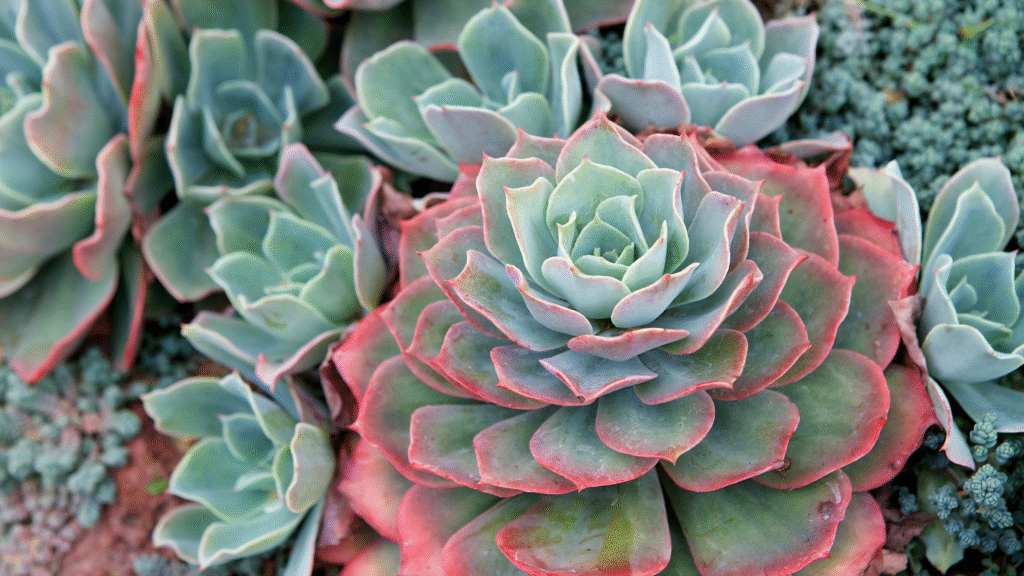
Some plants make baby plants near the bottom. These are called pups. Plants like Aloe make pups. wait until the baby plant has small roots. Then I gently take it out and plant it in a new pot. Never pull hard. This is the easiest and safest way to grow new succulents.
Light Requirements for Young Succulents
Young succulents grow best in bright, indirect light. Strong direct sunlight can easily burn baby leaves, especially in newly propagated jade plants. Soft light helps roots and leaves develop safely.
For indoor growing, placing plants near a bright window works well. Outdoors, light shade or filtered sunlight is better than full sun. Morning light with afternoon shade usually gives the healthiest results.
Common Propagation Mistakes
Watering too early is the most common mistake during propagation. Fresh leaves and cuttings need time to form roots before any moisture is added. Skipping the callus stage often leads to rot.
Using deep pots holds extra water and increases the risk of decay. Too much sunlight and rushing the process also cause failure. Succulents grow slowly and need patience.
How Long Succulent Propagation Takes
Leaf cuttings usually form roots within 7–14 days. Small baby plants begin to appear after 3–6 weeks. Most propagated succulents are ready for individual pots in 6–10 weeks.
The timeline depends on plant type and climate. Warm temperatures and good light encourage faster growth, while cooler conditions slow the process. Steady care brings the best results.
Conclusion
Succulent propagation teaches patience and close observation. Watching small changes helps gardeners understand plants better and care for them with confidence. Growth happens slowly, but every step is rewarding.
Trying different methods and learning from mistakes builds real gardening knowledge. Simple experiments lead to better results over time.
As every gardener learns sooner or later: “Succulent propagation taught me that even a fallen leaf has the potential to become a plant.”
Frequently Asked Questions (FAQs)
1. Why is my succulent leaf drying but not growing?
Leaves can dry out if they don’t have enough energy, are in too much sun, or get watered too soon. Healthy leaves need time, gentle light, and patience to start forming roots.
2. Can succulents be propagated in water?
Yes, some succulents can grow roots in water, but soil propagation is safer for long-term growth. Water roots are delicate and may fail when moved to soil.
3. How long does it take for a succulent leaf to grow roots?
Roots usually appear in 1–2 weeks for most leaves. Small baby plants may take 3–6 weeks to form, and they are ready for potting in 6–10 weeks. Timing depends on the species and climate.
4. Why did my succulent roots form but the plant still died?
This often happens due to overwatering, poor airflow, or using heavy soil. Proper drainage and light are essential for healthy growth.
5. Do all succulents propagate the same way?
No, some grow best from leaves, others from stems or offsets. Observing the type of succulent helps choose the right propagation method.
6. Can I propagate succulents indoors?
Yes, bright indirect light works best for young plants indoors. Avoid direct sunlight, which can burn delicate new leaves.
7. What are common mistakes when propagating succulents?
Watering too early, skipping callus time, using deep pots, giving too much sun, and impatience are the most common errors.