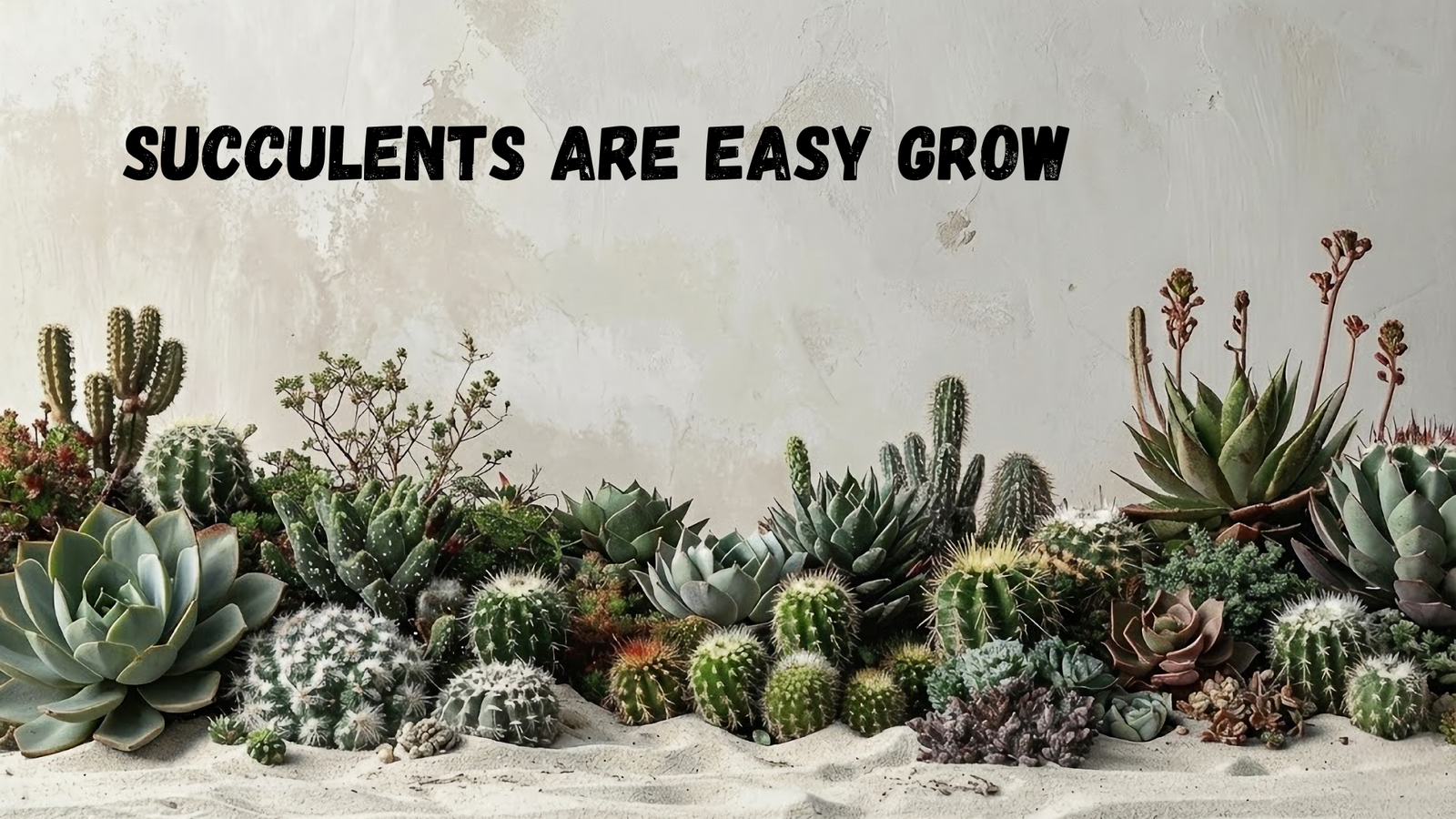
Succulents Are Easy Grow
Succulents are drought-adapted plants that store water in their leaves and stems. Plants like the jade plant are naturally strong and forgiving, which is why many people think they are impossible to kill. But in reality, succulents fail when we treat them like regular houseplants. They need less care, not more care.
When I first started growing succulents, I lost more plants to overwatering than pests. I watered them with love, but without understanding their nature. That experience taught me that succulents don’t die from neglect. They die from excess attention. Once I changed my approach, my plants started thriving.
In this article, I’ll share simple, practical advice based on my hands-on gardening experience. You’ll learn how to care for and grow succulents, especially the jade plant, by observing the plant instead of following strict rules. These are real mistakes, real solutions, and easy steps any gardener can follow.
How to Choose the Right Succulent for Your Space
Before you bring home a succulent, it’s important to think about where you’ll keep it. Some succulents do well indoors, while others love full sun outdoors. Choosing the right plant for your space can save a lot of frustration and lost leaves.
For indoor spaces, I usually recommend varieties like Haworthia, Gasteria, or the Snake Plant. These plants can handle lower light and are perfect for windowsills, offices, or rooms with indirect sunlight. They are forgiving if you forget a watering now and then.
Outdoor succulents like Sedum, Agave, and Sempervivum are more sun-tolerant and can handle heat well. But remember, even sun-loving plants need some protection during extreme temperatures or intense afternoon sun, or they may get burnt.
Soil Requirements For succulents
Normal potting soil might work for most houseplants, but for succulents, it’s a recipe for disaster. Regular soil retains too much water, which can quickly lead to root rot and weak growth. Succulents like the jade plant need soil that drains quickly and keeps roots healthy.
Good drainage and proper root aeration are the keys to strong, happy plants. If water sits around the roots, they start to rot, and your succulent may lose leaves or stop growing. On the other hand, well-aerated soil lets roots breathe and encourages deep, sturdy growth.
For soil, I usually use a cactus or succulent mix available at nurseries. If I make my own, my favorite ratio is 2 parts potting soil, 1 part coarse sand, 1 part perlite or pumice. This mix drains quickly, stays slightly airy, and mimics the plant’s natural environment.
Light Requirements
Light is the most important factor for succulent health. Jade plants and most succulents need 4–6+ hours of bright, indirect sunlight daily. Indoors, a south- or east-facing window usually works best, giving them enough light without burning the leaves.
There’s a difference between bright light and harsh direct sun. Too little light causes etiolation, where stems stretch and leaves spread apart. Too much direct afternoon sun, especially through glass, can cause sunburn, leaving brown or white scars on your plants.
I rotate my pots every week to ensure even growth. In winter or low-light months, I use grow lights to keep succulents compact and colorful. Observing the plant daily tells you exactly what it needs.
Watering Succulents the Right Way
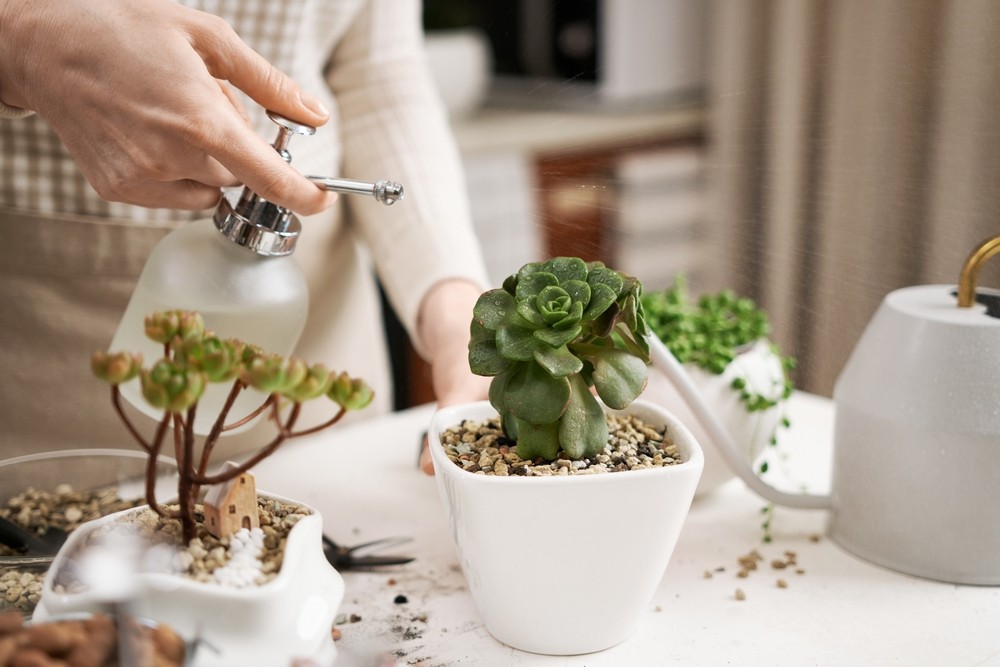
Watering is where most beginners make mistakes with succulents, especially jade plants. The key is the “soak and dry” method give the soil a deep drink until water runs out of the drainage hole, then let it dry completely before watering again. This mimics the natural desert conditions these plants evolved in.
To check if your succulent needs water, stick your finger 1–2 inches into the soil. If it feels cool or slightly moist, hold off. Only water when the soil is fully dry. Indoors, I usually water jade plants every 2–3 weeks, while outdoor plants in hot sun may need a drink once a week.
Season matters too. During summer, succulents are actively growing and may need slightly more water. In winter dormancy, they barely drink anything, so I cut watering down by at least 50–70%. Watching the plant is better than following a strict calendar.
Signs of underwatering are easy to spot wrinkled, soft, or shriveled leaves. Overwatering, on the other hand, causes yellowing, mushy leaves, and leaves falling off easily. I once lost a jade plant by watering it too frequently but adjusting to soak-and-dry saved several other struggling plants.
Temperature and Humidity
Most succulents are comfortable in 60–80°F (15–27°C). They handle heat well but are sensitive to frost. Even a light frost can damage leaves, so I always bring outdoor plants inside during cold nights.
Humidity is another hidden factor. Jade plants and other succulents don’t like high moisture. Indoor humidity over 70% can lead to root rot and fungal issues. I’ve faced problems during monsoon season when indoor air was humid, placing plants near a fan or in a slightly warmer room helped prevent damage.
Fertilizing Succulents
Succulents are light feeders. Over-fertilizing can harm them more than help. I only use a diluted, balanced cactus or succulent fertilizer during active growth in spring and summer.
From experience, feeding once a month is enough. I noticed that properly fertilized jade plants develop stronger stems, fuller leaves, and slightly faster growth. In winter, I skip feeding completely, letting the plants rest naturally. Less truly is more when it comes to succulent nutrition.
Common Problems I’ve Faced While Growing Succulents
Even with careful care, problems happen. Overwatering and root rot are the most common issues. Signs include soft, mushy leaves, yellowing, and stems that feel weak. I once almost lost a jade plant this way. To save it, I removed the affected roots, let the plant dry for a day, and repotted it in fresh, well-draining soil. After that, it bounced back beautifully.
Pests are another challenge. Mealybugs, gnats, and spider mites can sneak in, especially on indoor plants. I usually spot tiny white cottony patches, small black flies in the soil, or fine webbing on leaves. Simple treatments like wiping leaves with rubbing alcohol, using neem oil spray, and allowing soil to dry completely worked well for me. Prevention is easier than treatment, so I check my plants regularly.
Light-related problems are also common. Stretching (etiolation) happens when plants don’t get enough light, they grow long and leggy. Scorching occurs when leaves get too much direct afternoon sun.
I solved these by adjusting placements moving indoor plants to bright, indirect light near windows, and gradually acclimating outdoor plants to full sun. Rotating pots regularly also helps ensure even growth.
Conclusion
Caring for succulents, like the jade plant, is simpler than it seems once you understand their natural needs. Bright, indirect light, well-draining soil, and the “soak and dry” watering method are the keys to healthy growth.
Pay attention to your plant’s signals, wrinkled leaves mean thirst, mushy leaves mean overwatering. With a little observation, seasonal care, and occasional feeding, these resilient plants reward you with beauty and low-maintenance charm for years. Remember, less fuss, more patience, and your succulents will thrive just as they do in nature.