Organic Fertilizer : Ultimate Guide
I’ve learned one simple thing from spending time with plants, healthy soil makes healthy plants. When the soil is rich and full of life, plants grow better, look fresher, and stay strong for a long time.
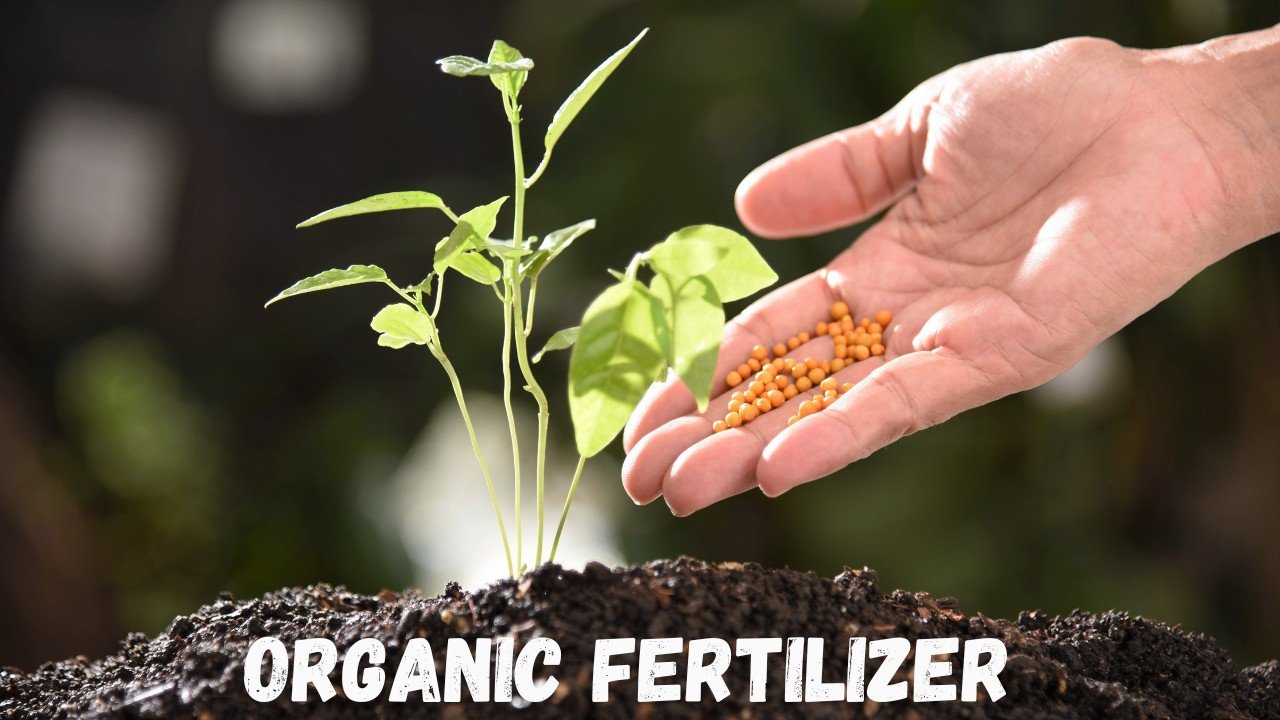
That’s why I like using organic fertilizers made from natural things like compost, manure, or plant waste. They feed the soil slowly and help it stay alive with tiny useful organisms. Chemical fertilizers may work fast, but their effect doesn’t last long.
I’ve seen the difference in my money plant, its leaves turn greener, and it grows faster when I feed it naturally. In this article, I’ll share some simple ways to choose, use, and make organic fertilizers at home so your plants can stay happy and healthy all year round.
Types of Organic Fertilizers I Recommend
Over the years, I’ve tried many types of fertilizers for my plants, but organic fertilizers have always given me the best and most natural results. They keep the soil alive and the plants strong. Let me share a few of my personal favorites that I often use in my garden — especially for my money plant, which loves gentle and natural feeding.
1. Compost
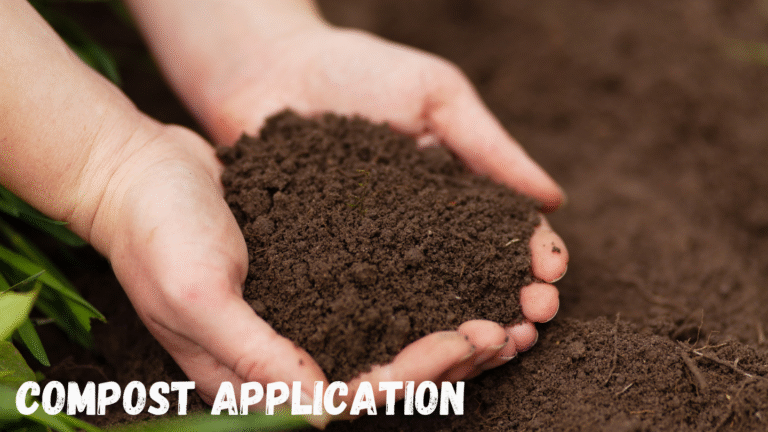
Compost is my number one choice. It’s made from kitchen waste, dry leaves, and garden clippings. It’s easy to make at home and adds organic matter to the soil, helping it hold water and nutrients. I often mix a little compost into the potting soil when planting or repotting my money plant — it keeps the roots healthy and encourages new growth.
2. Manure
Cow or chicken manure is another great option for adding rich nutrients to the soil. It’s full of nitrogen, which helps plants grow greener leaves. Just make sure the manure is well-rotted or composted before using it, so it doesn’t harm the roots.
3. Bone Meal & Fish Emulsion
For flowering or fruiting plants, I like to use bone meal and fish emulsion. Bone meal provides phosphorus, which helps roots grow strong, while fish emulsion gives a quick nitrogen boost. Though my money plant doesn’t need heavy feeding, an occasional mild dose of fish emulsion keeps its leaves glossy and vibrant.
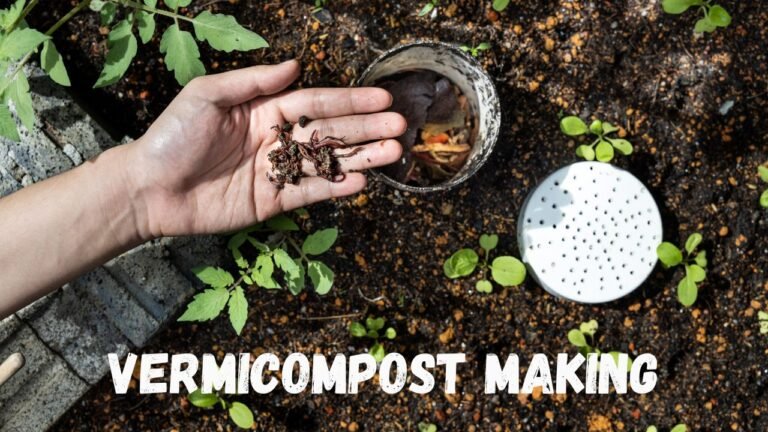
4. Vermicompost
This is compost made by earthworms — rich, soft, and full of life. I love using vermicompost for potted plants because it improves soil texture and adds beneficial microbes. When I sprinkle it around my money plant, it grows faster and stays lush.
5. Liquid Organic Fertilizer
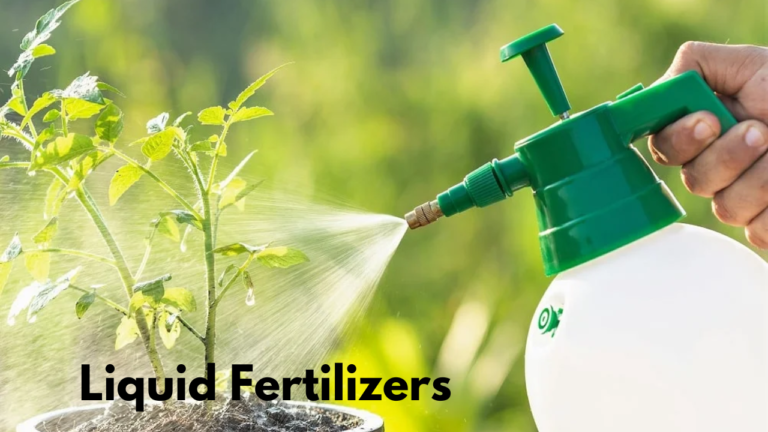
Whenever my plants look a little tired, I use liquid organic fertilizer as a quick pick-me-up. It can be made from compost tea or other natural sources and gives instant nutrients through the roots. For my money plant, I mix a weak solution in water and feed it once a month — it’s like giving the plant an energy drink, but in a healthy, natural way!
Each of these fertilizers has its own magic, and together they keep my plants — especially my money plant — happy, green, and growing all year long.
Why Organic Fertilizer is the Best Choice for Gardeners
Over time, I’ve used both organic and chemical fertilizers on my plants, and I can easily see the difference. Chemical fertilizers may make plants grow fast, but the effect doesn’t last long. The soil becomes hard and weak after some time. On the other hand, organic fertilizers work slowly but give lasting results. They feed the soil first and then the plant, which keeps the whole garden healthy.
Organic fertilizers improve soil structure and bring it to life. The tiny helpful organisms in the soil grow better, making it rich and soft. This helps the roots stay strong and hold water for longer, so plants don’t dry out easily.
Another reason I prefer organic fertilizer is that it’s safe for kids, pets, and even pollinators like bees. There are no harsh chemicals, so you can care for your plants without harming nature.
In my own garden, I’ve seen how using organic fertilizer keeps my money plant green and healthy all year. It doesn’t just feed the plant — it builds long-term soil fertility, helping every new leaf grow stronger than the last.
Best Organic Fertilizers I’ve Tried and Loved
Through years of caring for my plants, I’ve tested many fertilizers — some homemade and some ready-made. A few have truly stood out for their results and simplicity.
For those who like easy options, Espoma Organic Fertilizer is one of the best choices. It’s made from natural ingredients and is gentle on plants. I often suggest it to beginners because it’s safe, easy to use, and works well for indoor plants like the money plant.
I also love using homemade organic fertilizers like compost, vermicompost, or compost tea. These mixes add life to the soil and help plants grow naturally strong.
When choosing between types, I use dry organic fertilizers (like compost or powder) when preparing the soil or repotting my plants. They release nutrients slowly over time. For a quick boost, I go for liquid organic fertilizers, especially when my money plant looks dull or needs extra care. They reach the roots faster through watering.
Feeding Your Vegetables the Natural Way
Growing vegetables is always rewarding, and using organic fertilizer makes them healthier and tastier. I prefer feeding my plants naturally because it keeps the soil rich and full of life.
Before planting, I mix compost or well-rotted manure into the soil. During growth, I give a light feed of liquid fertilizer every few weeks to keep the plants strong. Some of the best organic fertilizers for vegetables are compost, fish emulsion, and bone meal — they help plants grow greener, with stronger roots and more flavor.
Healthy soil means healthy vegetables. Just like my money plant, when fed the natural way, vegetables grow beautifully and stay full of life.
Caring for Fruit Trees with Organic Fertilizer
Fruit trees love slow and steady feeding, and organic fertilizer is perfect for that. It helps them grow strong roots and produce juicier, healthier fruits. I like to spread compost or well-rotted manure around the root zone of my trees. This keeps the soil moist and full of nutrients.
For better flowering and fruiting, I sometimes mix in a little bone meal and fish fertilizer. Bone meal helps the roots grow deep, while fish fertilizer gives the trees extra energy for healthy blooms and fruits. Just like my money plant, fruit trees respond best to gentle, natural feeding rather than quick chemical doses.
Greening the Lawn Naturally
A green, soft lawn doesn’t need chemicals — it needs care and balance. I always keep my lawn chemical-free and use organic fertilizer for lawn care. Before spring and again in early fall, I spread a thin layer of compost or organic lawn mix to feed the grass roots.
Organic fertilizer keeps the soil alive, helps it hold water, and strengthens the grass so it stays green all year. It also makes the lawn safe for kids, pets, and pollinators. With regular organic feeding and a little watering, your lawn can stay fresh, lush, and naturally beautiful.
Making Organic Fertilizer at Home
One of my favorite things as a plant lover is making organic fertilizer at home. It’s simple, cost-effective, and feels great to turn kitchen waste into something that helps plants grow beautifully. I make compost using vegetable peels, fruit scraps, and dried leaves. It becomes soft, dark, and full of nutrients that my money plant absolutely loves.
I also crush eggshells into a fine powder to add calcium to the soil, and soak banana peels in water for a few days to create a natural potassium-rich drink for my plants. Another easy idea is to make compost tea — just soak compost in water overnight and use it to give your plants a quick, gentle feeding. It’s amazing to see waste turn into healthy plant food that brings life back to your garden.
How I Apply Organic Fertilizer for the Best Results
When feeding plants, timing and method matter a lot. I always start by loosening the soil so air and nutrients can reach the roots easily. Then I water the plant lightly before and after applying the fertilizer — this helps nutrients move smoothly into the soil.
For quick recovery or when my plants look dull, I use liquid organic fertilizers, as they act faster. However, I always stay careful — never overfertilize or feed plants during very hot weather, as it can harm the roots. Regular, gentle feeding keeps plants like the money plant strong, shiny, and happy all year round.
Conclusion
In the end, using organic fertilizers is all about building a deeper connection with nature. When we feed our plants naturally, we give them more than just nutrients — we give them a healthy home to grow in. Whether it’s your money plant, vegetables, or fruit trees, organic fertilizers help them stay strong, green, and full of life.
They also make gardening more peaceful and rewarding. Knowing that the food and flowers you grow come from clean, living soil feels truly special. So, if you want long-lasting plant health and a greener world, start with organic care. It’s gentle, effective, and kind — both to your plants and to the Earth. Let’s keep growing the natural way!