All-Purpose Fertilizers: A complete Guide
All-Purpose Fertilizers are a simple and effective way to provide plants with the essential nutrients they need for healthy growth. Suitable for vegetables, fruits, flowers, lawns, trees, and indoor plants, these fertilizers contain a balanced mix of nutrients that support strong roots, green foliage, better flowering, and improved yields.
As plants grow, they use up nutrients present in the soil. All-purpose fertilizers help replace these nutrients and maintain healthy plant development throughout the growing season. Available in liquid, powder, and granular forms, they are easy to use and suitable for a wide range of gardening needs.
This guide covers everything you need to know about all-purpose fertilizers, including their types, benefits, and proper application methods.
What Is an All-Purpose Fertilizer?
An all-purpose fertilizer is a fertilizer designed to provide the essential nutrients needed by most plants. Instead of being made for a specific crop or plant type, it is suitable for a wide range of plants including vegetables, flowers, fruit trees, shrubs, lawns, and indoor plants.
The main purpose of an all-purpose fertilizer is to supply balanced nutrition that supports overall plant growth. It contains the three primary nutrients required by plants: nitrogen, phosphorus, and potassium.
Because these nutrients are provided in balanced amounts, all-purpose fertilizers can be used in many gardening situations without needing different fertilizers for different plants.
For gardeners who want a simple and reliable feeding solution, all-purpose fertilizers are often the first choice.
Plant Nutrients
To understand how all-purpose fertilizers work, it is important to understand the nutrients plants need.
Plants require many nutrients for healthy growth. Some nutrients are needed in large amounts, while others are needed in smaller quantities. Each nutrient has a specific role in plant development.
Primary Nutrients (NPK)
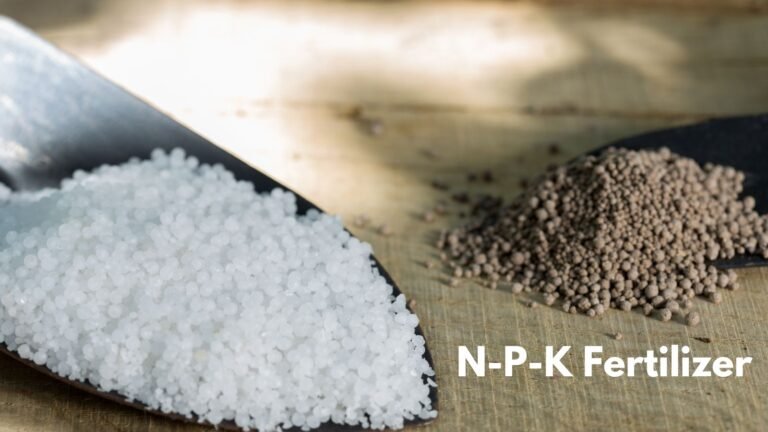
The three most important nutrients found in all-purpose fertilizers are nitrogen, phosphorus, and potassium. These nutrients are often referred to as NPK.
Nitrogen (N)
Nitrogen is responsible for leafy growth and green color in plants. It helps plants produce chlorophyll, which is needed for photosynthesis.
Plants that receive enough nitrogen usually have:
- Dark green leaves
- Faster growth
- Strong stems
- Healthy foliage
A lack of nitrogen often causes yellow leaves and slow growth.
Phosphorus (P)
Phosphorus plays an important role in root development and energy transfer within the plant.
It helps with:
- Strong root growth
- Flower formation
- Fruit production
- Seed development
Young plants especially need phosphorus to establish healthy root systems.
Potassium (K)
Potassium helps plants remain healthy and strong. It improves their ability to resist diseases, drought, and environmental stress.
Potassium supports:
- Overall plant health
- Disease resistance
- Water regulation
- Strong stems
- Better fruit quality
Plants with sufficient potassium are often more productive and resilient.
Secondary Nutrients
Besides NPK, plants also need some nutrients in moderate amounts.
Calcium
Calcium helps build strong cell walls and supports healthy root and shoot growth. It also improves fruit quality in many crops.
Magnesium
Magnesium is a key part of chlorophyll. Without magnesium, plants cannot efficiently produce energy from sunlight.
Sulfur
Sulfur helps plants produce proteins and enzymes. It also supports healthy leaf growth and improves crop quality.
Micronutrients
Micronutrients are needed in small amounts, but they are still essential for healthy plant growth.
Important micronutrients include:
- Iron
- Zinc
- Copper
- Manganese
- Boron
- Molybdenum
Many modern all-purpose fertilizers contain these micronutrients to provide complete nutrition.
Understanding NPK Ratios
When you look at a fertilizer package, you will often see three numbers separated by dashes, such as 10-10-10 or 20-20-20.
These numbers represent the fertilizer’s NPK ratio.
For example:
10-10-10 means:
- 10% Nitrogen
- 10% Phosphorus
- 10% Potassium
The remaining percentage consists of other nutrients and filler materials.
The NPK ratio helps gardeners understand the nutrient balance of the fertilizer.
Common All-Purpose Fertilizer Ratios
Several balanced fertilizer ratios are commonly used in gardens.
10-10-10
This is one of the most popular all-purpose fertilizers. It provides equal amounts of all three major nutrients and supports overall plant growth.
20-20-20
This fertilizer contains a higher concentration of nutrients. It is commonly used as a water-soluble fertilizer for rapid plant growth.
4-4-4
This ratio is often found in organic fertilizers. It provides balanced nutrition while supporting soil health.
5-5-5
This is another common organic fertilizer ratio that supplies moderate nutrient levels.
How to Read Fertilizer Labels
Reading fertilizer labels helps you choose the right product.
A fertilizer label may include:
- NPK ratio
- Application instructions
- Nutrient content
- Micronutrient information
- Organic certifications
- Safety guidelines
Always read the label carefully before application.
Choosing the Right Ratio for Different Plants
Although balanced fertilizers work for most plants, certain crops may benefit from different nutrient levels.
For example:
- Leafy vegetables often require more nitrogen.
- Flowering plants may need additional phosphorus.
- Fruit crops often benefit from higher potassium levels.
However, for general gardening purposes, balanced fertilizers such as 10-10-10 and 4-4-4 are usually sufficient.
Types of All-Purpose Fertilizers
All-purpose fertilizers are available in different forms. Each type has its own advantages and is suitable for different gardening situations.
The most common forms are liquid fertilizers, water-soluble powders, granular fertilizers, and slow-release fertilizers.
Liquid Fertilizers
Liquid fertilizers are concentrated nutrient solutions that are mixed with water before application.
They are quickly absorbed by plants and provide fast results.
Advantages of Liquid Fertilizers
- Fast nutrient availability
- Easy application
- Suitable for indoor and outdoor plants
- Ideal for container gardening
- Can be applied through irrigation systems
Disadvantages of Liquid Fertilizers
- Require frequent application
- Nutrients may wash away quickly
- Higher risk of over-application
Best Uses
Liquid fertilizers are especially useful for:
- Houseplants
- Vegetable gardens
- Flower beds
- Newly planted crops
- Plants showing nutrient deficiency
Water-Soluble Powder Fertilizers
Water-soluble fertilizers come in powder form and are dissolved in water before use.
They provide quick nutrient availability and are commonly used by home gardeners and commercial growers.
Advantages
- Easy to store
- Quick nutrient release
- Flexible application rates
- Suitable for foliar feeding
Disadvantages
- Require mixing before use
- Need regular applications
Best Uses
- Vegetables
- Flowers
- Greenhouse crops
- Nursery plants
Granular Fertilizers
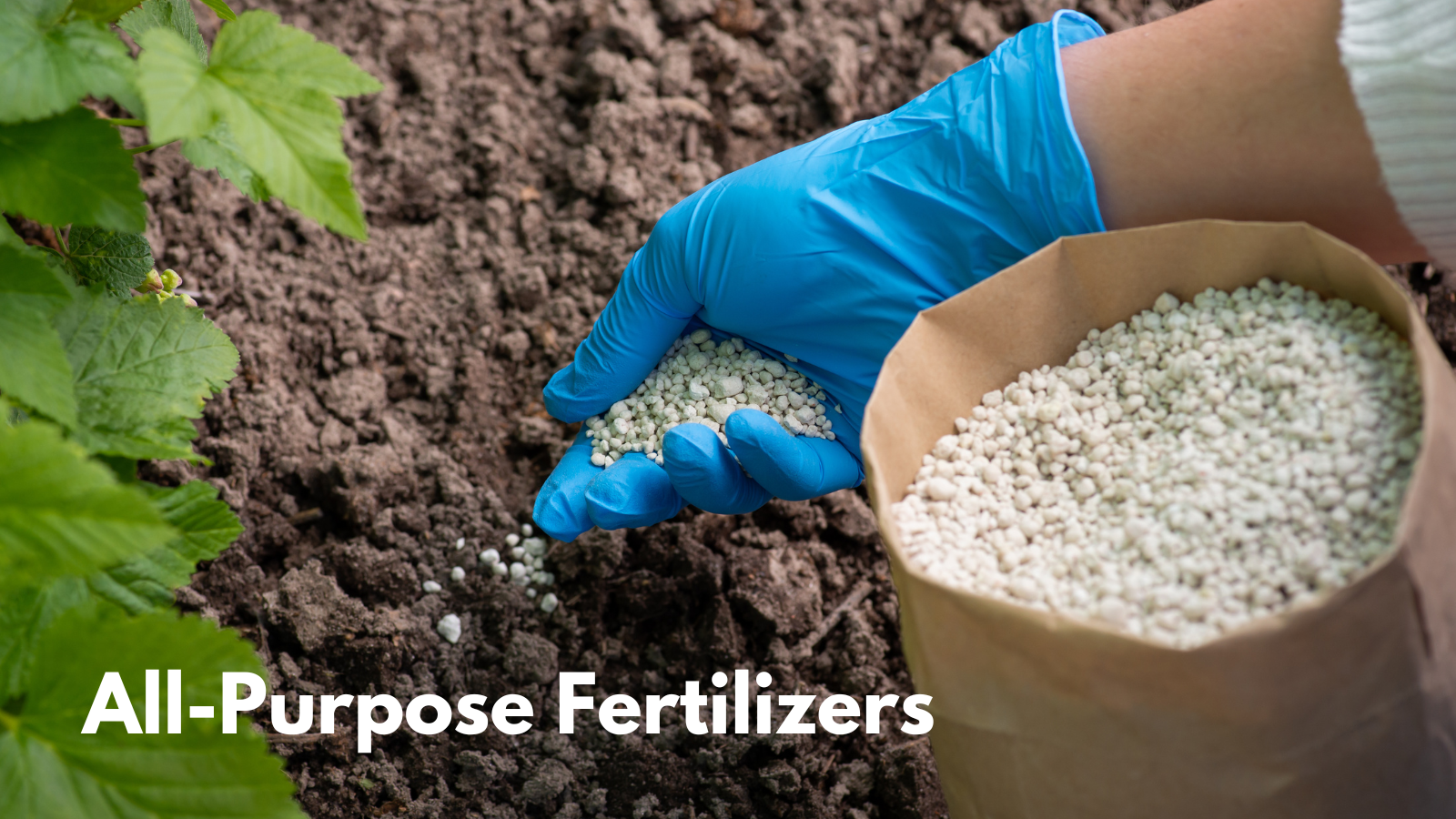
Granular fertilizers are dry particles applied directly to the soil.
They slowly dissolve as the soil receives moisture.
Advantages
- Easy to apply
- Long-lasting nutrition
- Less frequent application
- Suitable for large areas
Disadvantages
- Slower nutrient availability
- Need watering after application
Best Uses
- Lawns
- Garden beds
- Trees
- Shrubs
- Landscape plants
Slow-Release Fertilizers
Slow-release fertilizers are designed to release nutrients gradually over time. Instead of providing nutrients immediately, they supply a steady amount of nutrition for several weeks or even months.
These fertilizers are a popular choice for gardeners who want long-lasting results with fewer applications.
Advantages
- Long-lasting nutrient supply
- Less frequent application
- Lower risk of nutrient loss
- Reduces chances of over-fertilization
- Saves time and effort
Disadvantages
- Slower results compared to liquid fertilizers
- Usually more expensive than regular fertilizers
Best Uses
Slow-release fertilizers are ideal for:
- Trees and shrubs
- Landscape plants
- Lawns
- Container plants
- Busy gardeners who prefer less maintenance
Organic vs Synthetic All-Purpose Fertilizers
One of the most common questions gardeners ask is whether they should use organic or synthetic fertilizers. Both options can help plants grow, but they work differently.
Before choosing a fertilizer, it is important to understand the benefits and limitations of each type.
Organic All-Purpose Fertilizers
Organic fertilizers are made from natural materials. These materials may come from plants, animals, or naturally occurring minerals.
Common organic fertilizer sources include:
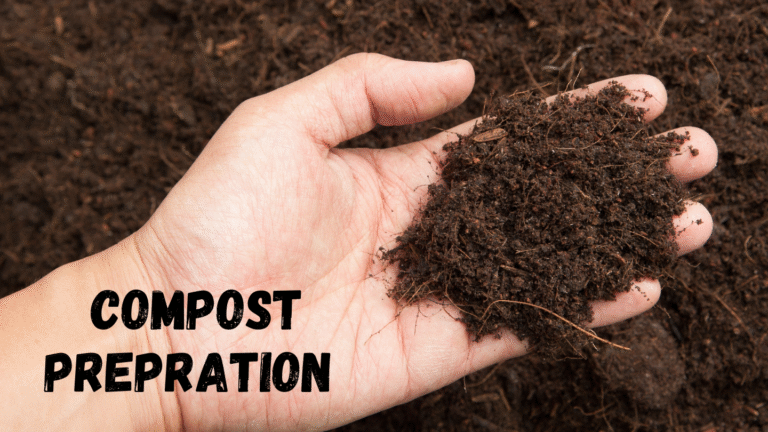
- Compost
- Fish emulsion
- Seaweed extract
- Bone meal
- Blood meal
- Manure
- Shrimp shells
- Plant-based materials
Organic fertilizers improve both plant growth and soil quality.
Benefits of Organic Fertilizers
- Improve soil structure
- Increase microbial activity
- Release nutrients gradually
- Improve water retention
- Environmentally friendly
- Reduce nutrient leaching
Organic fertilizers not only feed plants but also help build healthy soil over time.
Limitations of Organic Fertilizers
- Slower nutrient release
- Results may take longer to appear
- Often more expensive
- Nutrient content may vary
Synthetic All-Purpose Fertilizers
Synthetic fertilizers are manufactured products designed to provide nutrients in exact amounts.
They are widely used because they deliver nutrients quickly and produce visible results in a short period.
Benefits of Synthetic Fertilizers
- Fast nutrient availability
- Quick plant response
- Precise nutrient ratios
- Easy application
- Usually less expensive
Limitations of Synthetic Fertilizers
- Can burn plants if overused
- Do not improve soil structure
- May contribute to nutrient runoff
- Excessive use can affect soil health
Which One Is Better?
There is no single answer because both have advantages.
If your goal is fast growth and quick results, synthetic fertilizers can be useful.
If your goal is long-term soil health and sustainable gardening, organic fertilizers are often the better choice.
Many experienced gardeners use a combination of both approaches to get the benefits of each.
Benefits of Using All-Purpose Fertilizers
All-purpose fertilizers offer many advantages for gardeners, homeowners, and farmers.
Their balanced nutrient content makes them suitable for many plants and growing situations.
Promotes Healthy Plant Growth
Plants need a balanced supply of nutrients to grow properly.
All-purpose fertilizers provide the essential nutrients needed for strong and healthy development.
Regular feeding encourages vigorous growth throughout the growing season.
Encourages Strong Root Development
Healthy roots are the foundation of healthy plants.
The phosphorus present in all-purpose fertilizers supports root growth, helping plants absorb water and nutrients more efficiently.
Improves Flowering and Fruiting
Plants that receive proper nutrition often produce more flowers and fruits.
Balanced fertilizers help support the energy required for flowering, fruit development, and seed production.
Enhances Leaf Color and Appearance
Nitrogen helps plants maintain healthy green leaves.
Well-fed plants often have richer color, stronger stems, and a more attractive appearance.
Increases Crop Yield
For vegetable and fruit growers, proper fertilization can lead to higher yields and improved crop quality.
Healthy plants are generally more productive than nutrient-deficient plants.
Improves Stress Resistance
Plants regularly face challenges such as:
- Heat
- Drought
- Diseases
- Insect attacks
Potassium helps improve the plant’s ability to handle these stresses.
Suitable for Many Plant Types
One of the biggest advantages of all-purpose fertilizers is versatility.
Instead of buying separate fertilizers for different plants, gardeners can use one product for many purposes.
How to Choose the Best All-Purpose Fertilizer
Not every fertilizer is suitable for every situation.
Choosing the right product can greatly improve your gardening results.
Consider Plant Type
Different plants have different nutritional needs.
While all-purpose fertilizers work for most plants, understanding your crop’s requirements can help you make better decisions.
Consider Growth Stage
Young seedlings, mature plants, flowering plants, and fruiting crops often have different nutrient demands.
Always consider the growth stage before applying fertilizer.
Check Soil Condition
Healthy soil already contains many nutrients.
A soil test can help determine whether additional fertilization is needed.
Look at the NPK Ratio
Balanced ratios such as:
- 10-10-10
- 20-20-20
- 4-4-4
- 5-5-5
are generally suitable for most gardening purposes.
Choose Organic or Synthetic
Your gardening goals will influence this decision.
Organic fertilizers focus on soil health, while synthetic fertilizers focus on rapid nutrient delivery.
Consider Application Method
Choose a fertilizer that matches your gardening style.
For example:
- Liquid fertilizers for quick feeding
- Granular fertilizers for convenience
- Slow-release fertilizers for long-term feeding
Consider Cost and Coverage Area
Always compare:
- Product price
- Coverage area
- Application frequency
- Nutrient concentration
A fertilizer that lasts several months may provide better value than one that requires weekly application.
How to Apply All-Purpose Fertilizers Correctly
Using the right fertilizer is important, but applying it correctly is equally important. Even the best fertilizer may not produce good results if it is applied improperly.
Following proper application methods helps plants absorb nutrients efficiently and reduces the risk of fertilizer damage.
Read the Product Label
Before using any fertilizer, always read the instructions on the package.
The label usually provides information about:
- Application rates
- Mixing instructions
- Safety precautions
- Application timing
- Suitable plants
Following the manufacturer’s recommendations helps avoid under-fertilization or over-fertilization.
Soil Application
Soil application is the most common method of fertilizer use.
The fertilizer is spread around the base of the plant and then watered into the soil.
This method allows nutrients to move into the root zone where plants can absorb them.
For best results:
- Apply evenly around the plant
- Avoid placing fertilizer directly against stems
- Water thoroughly after application
Foliar Application
Foliar feeding involves spraying a liquid fertilizer directly onto plant leaves.
Plants can absorb certain nutrients through their leaves, providing a quick response when nutrient deficiencies occur.
Foliar feeding is often used for:
- Vegetables
- Fruit crops
- Ornamental plants
- Plants showing nutrient deficiency symptoms
Fertigation
Fertigation is the process of applying fertilizer through an irrigation system.
This method is widely used in commercial agriculture and greenhouse production.
Benefits include:
- Uniform nutrient distribution
- Efficient nutrient use
- Reduced labor requirements
- Better control of fertilizer application
Watering After Application
Water plays an important role in fertilizer effectiveness.
After applying granular fertilizers, water the soil thoroughly. This helps dissolve the fertilizer and move nutrients into the root zone.
Without proper watering, nutrients may remain unavailable to plants.
Recommended Application Frequency
The application frequency depends on the fertilizer type.
General guidelines include:
- Liquid fertilizers: Every 1 to 2 weeks
- Water-soluble fertilizers: Every 1 to 2 weeks
- Granular fertilizers: Every 1 to 3 months
- Slow-release fertilizers: Every 2 to 4 months
Always adjust application frequency according to plant needs and product recommendations.
Best Time to Apply All-Purpose Fertilizers
Timing can have a significant effect on fertilizer performance.
Applying fertilizer when plants are actively growing allows them to make the best use of available nutrients.
Spring Applications
Spring is often the best time to begin fertilization.
As temperatures increase, plants start producing new growth and require additional nutrients.
Spring fertilization supports:
- New leaf development
- Root growth
- Early flowering
- Strong seasonal growth
Summer Applications
Many plants continue growing actively during summer.
Regular feeding during this period helps maintain healthy growth and supports flowering and fruit production.
However, avoid applying excessive fertilizer during periods of extreme heat.
Fall Applications
In some regions, fall fertilization helps plants prepare for winter.
Trees, shrubs, and lawns may benefit from late-season feeding that supports root development before dormancy.
Indoor Plant Feeding Schedule
Indoor plants grow more slowly than outdoor plants.
Most houseplants benefit from fertilization every few weeks during active growth periods.
Reduce fertilizer applications during winter when growth naturally slows down.
Morning or Evening Application
Many gardeners prefer applying fertilizers early in the morning or late in the evening.
These cooler periods help reduce moisture loss and improve nutrient absorption.
Avoid fertilizing during the hottest part of the day whenever possible.
Common Mistakes to Avoid
Fertilizers can be very helpful, but mistakes can reduce their effectiveness or even harm plants.
Understanding common errors can help gardeners achieve better results.
Over-Fertilization
One of the most common mistakes is applying too much fertilizer.
Excess nutrients can cause:
- Leaf burn
- Root damage
- Salt buildup in soil
- Weak plant growth
Remember that more fertilizer does not always mean better results.
Under-Fertilization
Applying too little fertilizer may prevent plants from receiving the nutrients they need.
Nutrient deficiencies often result in:
- Slow growth
- Pale leaves
- Poor flowering
- Reduced yields
Applying Fertilizer on Dry Soil
Applying fertilizer to extremely dry soil can increase the risk of root injury.
Whenever possible:
- Water plants before fertilizing
- Apply fertilizer to moist soil
- Water again after application
Incorrect Dosage
Using incorrect mixing rates or application amounts can create nutrient imbalances.
Always measure fertilizers carefully.
Applying at the Wrong Time
Fertilizing dormant plants or applying fertilizer during severe heat stress may reduce effectiveness.
Apply nutrients when plants are actively growing and able to use them.
Ignoring Soil Testing
Many gardeners apply fertilizer without knowing the actual nutrient condition of their soil.
A soil test provides valuable information about:
- Nutrient levels
- Soil pH
- Organic matter content
This information helps prevent unnecessary fertilizer applications.
Signs Your Plants Need Fertilizer
Plants often provide visual clues when nutrients are lacking.
Learning to recognize these signs can help you take corrective action before problems become serious.
Yellow Leaves
Yellowing leaves are one of the most common signs of nutrient deficiency.
Nitrogen deficiency is often responsible for pale or yellow foliage.
Slow Growth
Plants that grow slowly despite proper watering and sunlight may require additional nutrients.
Poor Flowering
A lack of flowers can sometimes indicate nutrient imbalance or deficiency.
Plants need adequate nutrition to support bloom production.
Weak Stems
Weak or thin stems may result from insufficient nutrient availability.
Balanced fertilization often helps improve plant strength.
Small Fruits
Fruit crops suffering from nutrient shortages may produce fewer fruits or smaller fruit sizes.
Pale Plant Color
Healthy plants usually display rich green foliage.
A pale appearance often indicates nutritional problems that require attention.
Environmental Considerations
Responsible fertilizer use benefits both plants and the environment.
Applying fertilizers correctly helps reduce waste and protects natural resources.
Fertilizer Runoff
Excess fertilizer can wash away during irrigation or rainfall.
This runoff may enter nearby rivers, lakes, and streams, causing water pollution.
Nutrient Leaching
Some nutrients move below the root zone and become unavailable to plants.
This process is called nutrient leaching.
Proper application rates help reduce nutrient loss.
Protecting Soil Health
Healthy soil supports healthy plants.
Practices that improve soil health include:
- Adding compost
- Using organic matter
- Mulching
- Avoiding excessive fertilizer use
Sustainable Fertilization Practices
Sustainable gardening focuses on providing nutrients while minimizing environmental impact.
Good practices include:
- Following label directions
- Using slow-release fertilizers
- Applying fertilizers only when needed
- Conducting soil tests regularly
- Combining fertilizers with organic matter
Frequently Asked Questions
What Is the Best All-Purpose Fertilizer?
The best fertilizer depends on your plants, soil conditions, and gardening goals. Balanced formulations such as 10-10-10, 20-20-20, and 4-4-4 are popular choices for general plant growth.
Can All-Purpose Fertilizer Be Used on All Plants?
Most plants can benefit from all-purpose fertilizers. However, some plants have special nutrient requirements and may need specific fertilizer formulations.
How Often Should I Apply Fertilizer?
Application frequency depends on the fertilizer type.
- Liquid fertilizers: Every 1 to 2 weeks
- Granular fertilizers: Every 1 to 3 months
- Slow-release fertilizers: Every few months
Always follow product recommendations.
Is Organic Fertilizer Better Than Synthetic Fertilizer?
Both types have advantages.
Organic fertilizers improve soil health and release nutrients gradually, while synthetic fertilizers provide faster results and precise nutrient delivery.
Can Too Much Fertilizer Harm Plants?
Yes. Excess fertilizer can damage roots, burn leaves, reduce plant growth, and create nutrient imbalances.
Always apply fertilizer according to label instructions.
Can All-Purpose Fertilizer Be Used for Indoor Plants?
Yes. Many indoor plants respond well to diluted all-purpose fertilizers, especially during active growth periods.
Final Thoughts
All-purpose fertilizers are among the most useful tools available to gardeners. Their balanced nutrient content makes them suitable for a wide variety of plants, including vegetables, fruits, flowers, trees, lawns, and houseplants.
Understanding how fertilizers work allows gardeners to make better decisions about plant nutrition. Whether you choose liquid, powder, granular, slow-release, organic, or synthetic fertilizers, the goal remains the same: providing plants with the nutrients they need to grow healthy and productive.
Proper fertilization not only improves plant growth but also enhances flowering, fruit production, root development, and overall plant health. At the same time, responsible fertilizer use helps protect soil quality and reduces environmental impact.
Conclusion
Healthy plants begin with proper nutrition. While sunlight, water, and good soil are essential, fertilizers provide the additional nutrients that plants often need to reach their full potential.
All-purpose fertilizers offer a simple, practical, and effective solution for gardeners of all experience levels. Their balanced blend of nitrogen, phosphorus, and potassium supports strong roots, green leaves, vibrant flowers, and abundant harvests.
By choosing the right fertilizer, applying it correctly, and following good gardening practices, you can enjoy healthier plants, better yields, and a thriving garden throughout the growing season. Whether you are caring for a small indoor plant or managing a large garden, an all-purpose fertilizer can be a valuable part of your plant care routine.