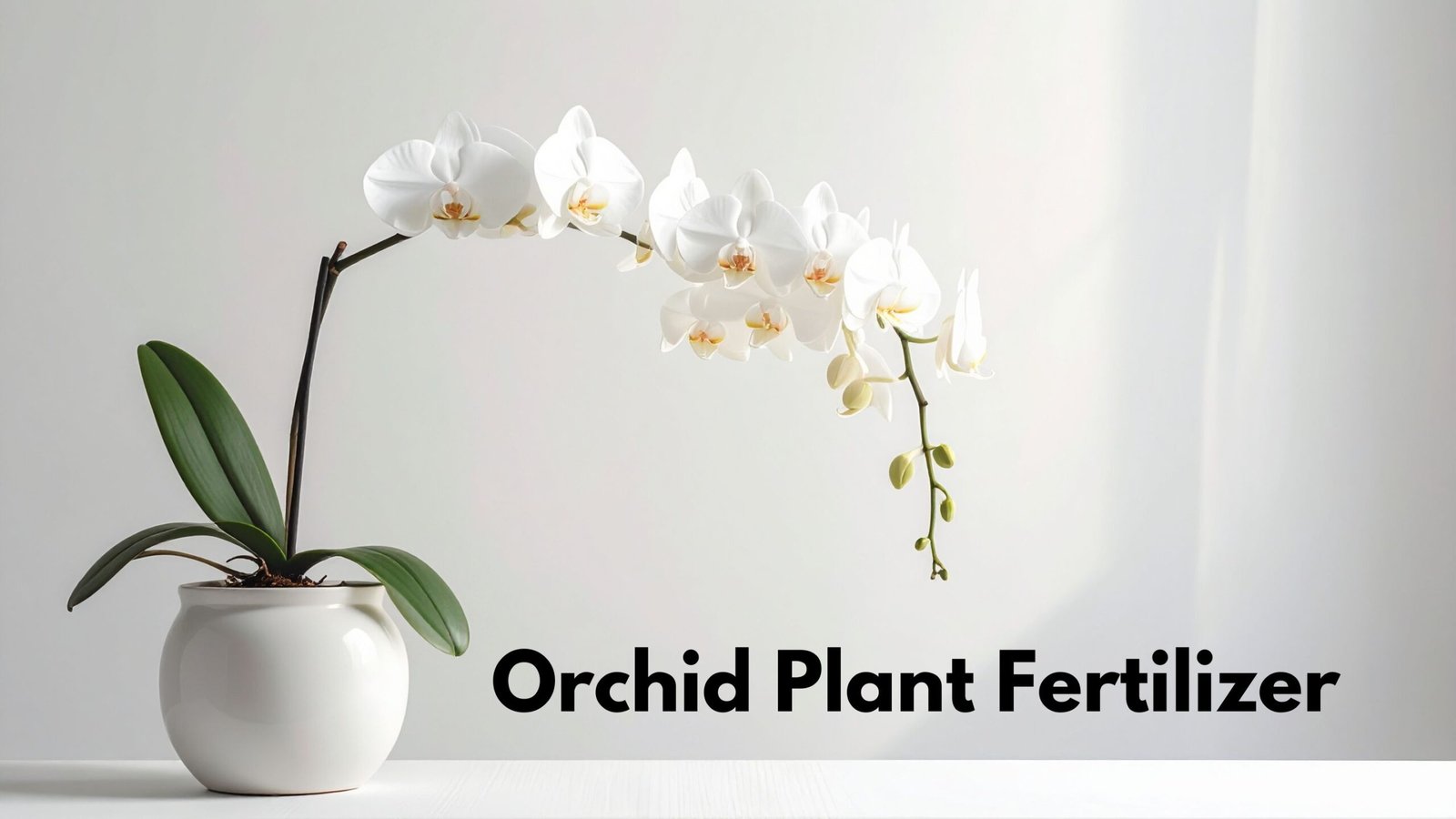
Orchid Fertilizer: Complete Guide
Orchids are admired around the world for their elegant flowers, graceful shapes, and long-lasting blooms. Their unique beauty makes them one of the most popular flowering plants for homes, offices, and greenhouses. Many growers believe orchids are difficult plants to care for, but in reality they simply grow differently from most common houseplants.
Unlike typical indoor plants, orchids are not planted in regular soil. Instead, they grow in airy materials such as bark, moss, or special orchid mixes that allow excellent airflow around the roots. These growing media help prevent root rot but do not store nutrients for long periods.
Because nutrients wash away quickly every time the plant is watered, orchids depend on regular feeding from the grower. Some people believe orchids can survive without fertilizer, and while they may stay alive for some time, they often show weak growth, pale leaves, and poor flowering without proper nutrition.
Understanding Orchid Nutrition
Like all plants, orchids require essential nutrients to grow properly, develop strong roots, and produce attractive flowers. Since orchids grow without soil, these nutrients must be supplied carefully through watering and fertilization.
Most fertilizers contain three major nutrients known as NPK, which represent the basic nutritional needs of plants.
Nitrogen (N)
Nitrogen supports leafy growth and helps orchids produce strong green foliage. Healthy leaves allow the plant to store energy, which later supports flowering and overall plant development.
Phosphorus (P)
Phosphorus encourages root development and plays an important role in flower spike formation. Adequate phosphorus helps orchids produce stronger blooms and better flowering performance.
Potassium (K)
Potassium improves plant strength, enhances stress tolerance, and helps orchids resist disease and environmental changes.
Fertilizer labels often show numbers such as 10-10-10 or 20-20-20. These numbers simply indicate the balance of nitrogen, phosphorus, and potassium available to the plant. Understanding these numbers helps growers choose the right fertilizer for steady and balanced growth.
Types of Orchid Fertilizers
Balanced Fertilizer
A balanced fertilizer such as 20-20-20 is suitable for most orchid varieties and is highly recommended for beginners. It provides equal amounts of nutrients needed for leaves, roots, and flowering development throughout the growing season.
Using a balanced fertilizer simplifies orchid care because one product can support the plant during most stages of growth. Many successful growers rely on balanced formulas as their primary feeding method.
Orchid-Specific Fertilizer
Orchid-specific fertilizers are specially formulated for plants growing in bark or moss rather than soil. These fertilizers often contain additional micronutrients such as calcium, magnesium, iron, and trace elements that support strong root systems and healthy flower production.
They also commonly use nitrogen sources that orchids absorb more efficiently, ensuring nutrients remain available instead of being lost quickly through watering.
Bloom Booster Fertilizer
Bloom booster fertilizers contain higher phosphorus levels, commonly labeled 10-30-20 or similar ratios. These fertilizers are sometimes used when orchids begin preparing for flowering.
While bloom boosters may help encourage flower spikes, they are not always necessary. Orchids grown consistently with balanced fertilizer and proper care often bloom successfully without switching products. Overuse of bloom boosters can sometimes create nutrient imbalance, so they should be used carefully.
The Golden Rule of Orchid Feeding
Experienced orchid growers often follow one simple and reliable rule:
“Weakly, Weekly.”
This rule means feeding orchids regularly but always using a diluted fertilizer solution instead of a strong mixture. Orchid roots are sensitive and easily damaged by concentrated fertilizer salts.
Strong fertilizer does not improve flowering instead; it may burn roots and slow plant growth. Gentle, consistent feeding allows orchids to absorb nutrients safely over time.
Simple Mixing Guide
- Mix fertilizer at one-quarter to half strength
- Apply small amounts regularly
- Avoid heavy or irregular feeding
Consistent light feeding keeps orchids healthy and prevents stress on the root system.
When to Fertilize Orchids
Orchids grow in natural cycles, and fertilization should follow these stages to achieve the best results.
Active Growth Stage
During active growth, orchids produce new leaves and roots. This stage requires the highest nutrient supply because the plant is actively building energy reserves. Weekly feeding with diluted fertilizer supports strong vegetative growth.
Pre-Bloom Stage
As orchids prepare to flower, nutrient demand changes slightly. Some growers introduce bloom fertilizer during this period to encourage stronger flower spikes and improved bloom quality.
Flowering Stage
Once flowers open, growth slows and nutrient demand decreases. Fertilizer strength should be reduced or temporarily paused to avoid unnecessary salt accumulation in the growing medium.
Dormant Period
After flowering, certain orchids enter a resting phase where growth slows significantly. During dormancy, fertilization should be minimal or stopped completely until fresh growth appears again.
How to Apply Fertilizer
Correct application is just as important as choosing the right fertilizer.
Step 1: Water First
Lightly watering the orchid before fertilizing moistens the roots and reduces the risk of fertilizer burn.
Step 2: Prepare Diluted Fertilizer
Mix fertilizer carefully according to weak feeding recommendations.
Step 3: Apply Evenly
Pour the solution slowly through the potting medium so all roots receive nutrients evenly.
Step 4: Allow Proper Drainage
Ensure excess solution drains freely from the pot to prevent root damage.
Step 5: Prevent Salt Buildup
Avoid repeated fertilizing without flushing the medium periodically with clean water.
This simple routine promotes healthy nutrient absorption and long-term plant health.
Importance of Water Quality
Water quality plays a surprisingly important role in orchid fertilization success. Even the best fertilizer cannot perform well if poor-quality water damages the roots.
Tap water may contain chlorine, fluoride, or dissolved mineral salts that accumulate over time in the potting media. This buildup can reduce nutrient uptake and stress the plant.
Better watering options include:
- rainwater, which closely matches natural conditions
- distilled water, free from minerals
- tap water left standing for 24 hours to allow chlorine to dissipate
Using clean water greatly improves fertilizer effectiveness and root health.
Fertilizer Schedule for Orchids
Maintaining a consistent schedule helps orchids receive steady nutrition without risk of overfeeding.
| Growth Stage | Feeding Frequency |
|---|---|
| Active Growth | Weak fertilizer weekly |
| Pre-Bloom | Every 1–2 weeks |
| Flowering | Light feeding every 2–3 weeks |
| Dormant Season | Every 3–4 weeks or stop |
| Maintenance | Flush with clean water monthly |
Monthly flushing with plain water removes excess fertilizer salts and keeps the growing medium fresh.
Fertilizing Orchids Indoors vs Outdoors
Indoor orchids often grow more slowly because light levels and airflow are lower. Using weaker fertilizer solutions and maintaining adequate humidity helps prevent stress. Regular observation is important because indoor conditions vary greatly between homes.
outdoor Orchids, grown in greenhouses or protected tunnels receive stronger light and better airflow, resulting in faster growth. Fertigation systems such as drip irrigation or micro-sprinklers can deliver nutrients evenly and efficiently when properly managed.
Stable watering and humidity conditions greatly improve fertilizer performance in these environments.
Common Orchid Fertilizer Mistakes
Many orchid problems result from well-intentioned but incorrect care practices.
Common mistakes include:
- overfeeding plants
- applying fertilizer to dry roots
- fertilizing during dormancy
- failing to flush growing media
- using full-strength fertilizer solutions
Remember that orchids respond better to gentle care than excessive treatment.
Natural Fertilizer Myths
Coffee Grounds
Coffee grounds break down slowly in orchid media and usually fail to provide usable nutrients. They may even encourage fungal problems in pots.
Cinnamon
Cinnamon is sometimes used during repotting as a natural antifungal treatment, but it should not be considered a fertilizer.
Homemade Fertilizers
Kitchen-based fertilizers rarely supply balanced nutrition. Orchids generally perform better with controlled, water-soluble fertilizers designed for plant growth
Signs of Overfertilization
Excess fertilizer can damage orchids quickly if not corrected.
Warning signs include:
- burned or blackened roots
- white salt crust forming on media
- leaf tip burn or spotting
- reduced blooming despite good growth
If overfertilization occurs, thoroughly flush the pot with clean water to remove accumulated salts.
Conclusion
Orchids are not difficult plants once their natural growing habits are understood. Because they grow without soil, they rely on careful feeding and proper watering provided by the grower.
A balanced fertilizer applied gently and consistently supports strong root development, healthy foliage, and reliable flowering cycles. With patience, observation, and simple care routines, anyone can successfully grow thriving orchids at home or in professional growing environments.
Proper fertilization transforms orchids from surviving plants into truly flourishing ones.