NPK Fertilizer
Plants need food just like humans. While plants make energy from sunlight through photosynthesis, they still require nutrients from the soil to grow properly.
Over time, soil loses nutrients because plants continuously absorb them, water washes nutrients away, and repeated planting exhausts the soil. This is where fertilizer becomes important.
Among all fertilizers, NPK fertilizer is the most commonly used because it supplies the three main nutrients required for plant growth.
What Is NPK Fertilizer?
NPK fertilizer contains three essential nutrients:
N = Nitrogen
P = Phosphorus
K = Potassium
These nutrients are called primary macronutrients because plants need them in large amounts.
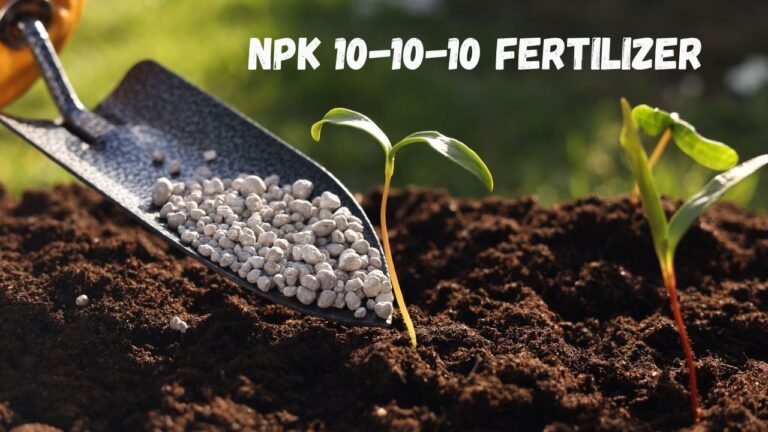
You usually see fertilizer written as numbers such as 10-10-10, 20-20-20, 5-10-5, or 19-19-19. These numbers show the percentage of each nutrient.
For example, a 10-10-10 fertilizer contains 10 percent nitrogen, 10 percent phosphorus, and 10 percent potassium. The remaining percentage consists of micronutrients or filler material.
To Learn about Organic fertilizers.
Role of Each Nutrient in Plant Growth
Nitrogen (N) Leaf Growth Nutrient
Nitrogen mainly supports green growth. It helps in leaf development, chlorophyll production, deep green color, and fast vegetative growth.
Plants needing more nitrogen include lawn grass, leafy vegetables, and indoor foliage plants. Too much nitrogen can cause excessive leaves but fewer flowers.
Phosphorus (P) Root and Flower Booster
Phosphorus is responsible for strong plant foundations. It helps in root development, flower formation, fruit production, and seed development.
It becomes very important during early plant growth, flowering stage, and transplanting.
Potassium (K) Plant Strength and Immunity
Potassium works like a plant’s immune system. It helps improve disease resistance, water regulation, stress tolerance, and overall plant vigor. Plants supplied with enough potassium become stronger and healthier.
Why NPK Fertilizer Is Important
Plants require many nutrients, but these three are used the most. NPK fertilizer encourages faster plant growth, strong roots, more flowers and fruits, better resistance against pests and disease, improved yield in vegetables and fruits, and healthy green foliage. In simple words, NPK fertilizer provides balanced nutrition for plants.
Understanding NPK Ratios
Different plants need different nutrient ratios depending on their growth stage.
Leaf growth usually requires a higher nitrogen ratio such as 20-10-10. Flowering plants perform better with ratios like 10-20-20. Fruiting crops often need formulas such as 10-26-26, while balanced fertilizers like 19-19-19 or 20-20-20 are suitable for general plant care.
During early growth plants require more nitrogen, during flowering they need more phosphorus, and during maturity potassium becomes more important.
Types of NPK Fertilizers
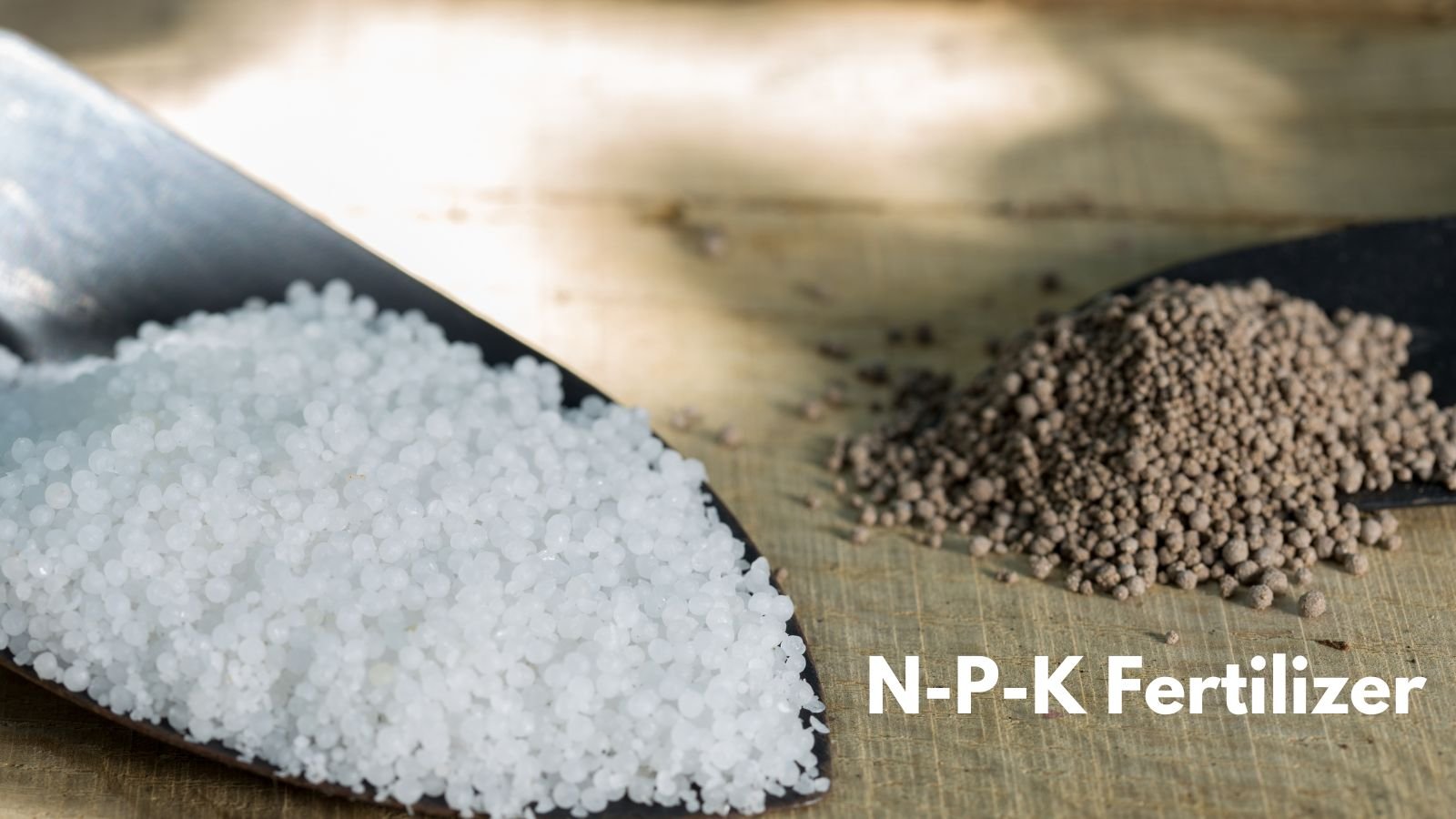
Granular fertilizer comes in dry pellet form and releases nutrients slowly into the soil. It is commonly used for outdoor plants and lawns.
Liquid fertilizer is mixed with water and absorbed quickly by plants, making it useful when plants need immediate nutrition.
Water-soluble fertilizer dissolves completely in water and works well for pots, indoor plants, and foliar feeding. Slow-release fertilizer feeds plants gradually over time and reduces the risk of over-fertilization.
How to Choose the Right NPK Fertilizer
Choosing fertilizer becomes easy if you first understand your plant type. Leafy vegetables require more nitrogen, flowering plants need more phosphorus, and fruiting plants benefit from balanced nutrition.
Understanding soil condition is also important. Healthy soil may already contain certain nutrients, and soil testing helps prevent unnecessary fertilizer use.
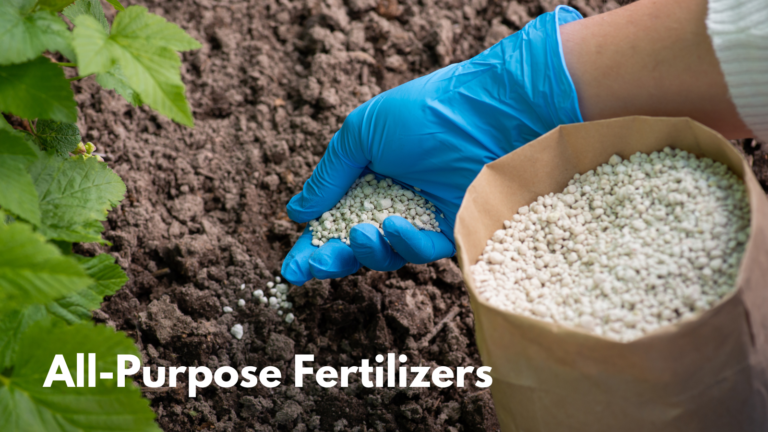
Always read fertilizer labels carefully before buying. If you are unsure, a balanced fertilizer such as 20-20-20 is usually safe for most plants.
How to Use NPK Fertilizer
Water-soluble fertilizer can be prepared by mixing one teaspoon of fertilizer in one liter of water. Apply the solution near plant roots every fifteen to twenty days.
For granular fertilizer, sprinkle a small amount around the plant base, mix lightly into the soil, and water immediately.
Foliar spray can also be used by spraying diluted fertilizer on leaves during early morning or late afternoon while avoiding strong sunlight.
Fertilizer Application Frequency
Indoor plants generally require feeding every twenty to thirty days. Flowering plants benefit from fertilizer every fifteen days. Vegetable crops may need feeding every ten to fifteen days, while fruit trees are usually fertilized once a month.
Frequency may vary depending on plant growth and soil fertility.
Common Fertilizing Mistakes
Many gardeners unknowingly damage plants by over-fertilizing, applying fertilizer on dry soil, using incorrect NPK ratios, fertilizing during extreme heat, or ignoring soil health.
Remember that more fertilizer does not mean faster growth. Balanced feeding always gives better results.
Organic vs Synthetic NPK Fertilizer
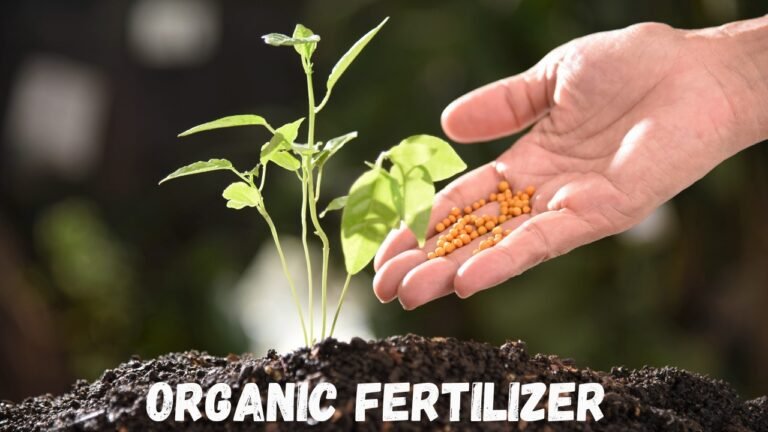
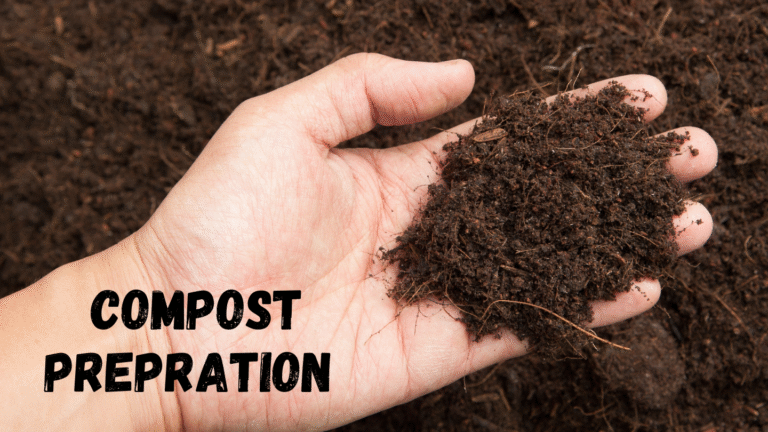
Organic fertilizers include compost, manure, bone meal, and fish emulsion. These improve soil structure, support beneficial microorganisms, and maintain long-term soil health.
Synthetic fertilizers act faster and provide precise nutrient control with quick plant response.
The best approach is to combine organic matter with controlled fertilizer use for sustainable gardening.
Signs Your Plant Needs NPK Fertilizer
Plants usually show clear symptoms when nutrients are lacking. Yellow leaves often indicate nitrogen deficiency. Poor flowering may signal phosphorus deficiency. Weak growth and low resistance can result from potassium deficiency. Slow development usually indicates overall nutrient imbalance.
Observing plant behavior helps gardeners respond early.
Pro Gardener Tips
Always water plants before fertilizing. Feed plants during active growing seasons and reduce feeding during winter dormancy. Combine fertilizer use with compost for improved soil health. Start with small fertilizer doses and observe plant response before increasing quantity.
Conclusion
NPK fertilizer forms the foundation of successful plant nutrition. By understanding the roles of nitrogen, phosphorus, and potassium, gardeners can support every stage of plant growth from strong roots to abundant flowering and fruiting.
The secret is simple, use the right fertilizer, in the right amount, at the right time. When applied correctly, NPK fertilizer transforms ordinary plants into healthy, productive, and resilient gardens.
Frequently Asked Questions
What does 20-20-20 fertilizer mean?
It contains equal amounts of nitrogen, phosphorus, and potassium and works as an all-purpose fertilizer.
Can I use NPK fertilizer for all plants?
Yes, but the ratio should match the plant type and growth stage.
How often should I fertilize plants?
Usually every two to four weeks depending on plant requirements.
Is too much fertilizer harmful?
Yes. Excess fertilizer can burn roots, damage leaves, and even kill plants.
Which NPK ratio is best for tomatoes?
Tomatoes generally perform well with lower nitrogen and higher phosphorus and potassium ratios such as 4-7-10 or 3-6-4.