Hydrangea Fertilization
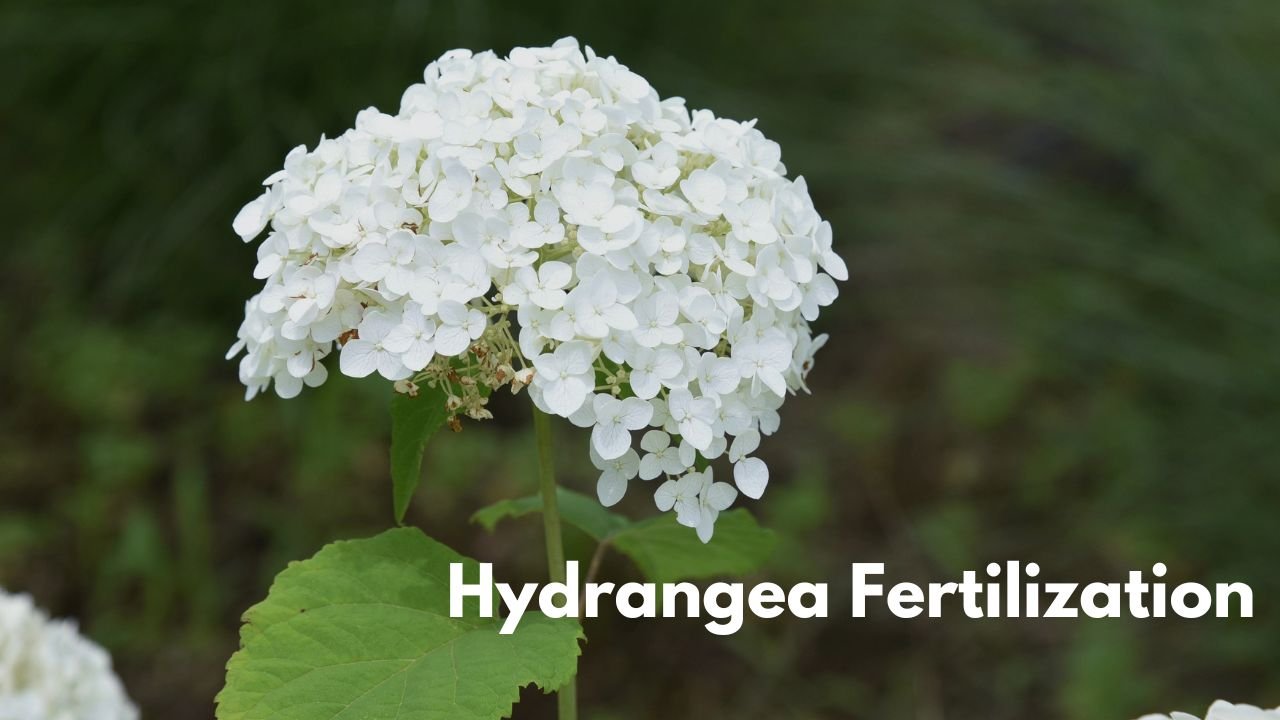
Hydrangeas are among the most loved flowering shrubs in gardens because of their large colorful blooms and long flowering season. Many gardeners believe hydrangeas grow well without much care, and this is partly true. However, proper fertilizing makes a huge difference in plant health, flower size, and bloom quantity.
A hydrangea that receives balanced nutrition produces strong stems, healthy leaves, and bigger flowers. On the other hand, wrong fertilizing practices often result in plants with many green leaves but very few flowers.
In this article, you will learn when, how, and why to fertilize hydrangeas using simple and practical methods suitable for beginners.
Hydrangea Nutrition
Before applying fertilizer, it is important to understand what nutrients plants actually need. Fertilizers are usually labeled with three numbers known as NPK.
These three nutrients perform different functions:
- Nitrogen (N) helps in leaf and stem growth
- Phosphorus (P) supports root development and flower formation
- Potassium (K) improves plant strength, disease resistance, and overall health
Hydrangeas do not require heavy feeding. They grow best when nutrients remain balanced. Too much nitrogen encourages leafy growth, while proper phosphorus and potassium help plants produce more blooms.
Read more about NPK fertilizer.
Do Hydrangeas Really Need Fertilizer?
Hydrangeas can survive in good garden soil without frequent fertilization. Natural soil already contains nutrients, especially if organic matter is present. Fertilizer becomes useful when soil nutrients are low or when plants show slow growth.
You may need to fertilise hydrangeas if:
- Growth appears weak or slow
- Leaves look pale or small
- Flower production decreases each year
- Plants are grown in containers
Over-fertilising is more harmful than under-fertilising. Excess feeding forces the plant to grow leaves instead of flowers.
Best Types of Fertiliser for Hydrangeas
Choosing the right fertilizer is one of the most important steps for successful hydrangea care.
Slow-Release Granular Fertilizer
Slow-release fertilizers are the best option for most gardeners. These fertilizers release nutrients gradually over several months.
Benefits include:
- Less risk of plant burn
- Fewer applications needed
- Steady plant growth
Balanced formulas such as 10-10-10 or 12-4-8 work well for hydrangeas.
Organic Fertilizers
Organic feeding improves soil health along with plant growth. Good organic choices include:
- Compost
- Well-rotted farmyard manure
- Leaf mold
- Organic plant food
Organic Fertilizer materials also improve soil structure and moisture retention.
Liquid Fertilizers
Liquid fertilizers act quickly and are useful for container-grown hydrangeas. They should always be diluted before application to avoid root damage.
Liquid feeding is helpful when plants need a quick nutrient boost during active growth.
Fertilizers to Avoid
Some fertilizers can harm flowering performance.
Avoid:
- High nitrogen lawn fertilizers
- Strong chemical fertilizers used frequently
- Acidic fertilizers without soil testing
These products may reduce blooming or damage roots.
Monthly Hydrangea Fertilising Schedule
Correct timing is more important than frequent feeding.
Early Spring (Main Feeding Time)
When new shoots begin to appear in early spring, apply the main fertilizer dose. Spread fertilizer around the root zone rather than placing it near the stem.
After application:
- Water the plant thoroughly
- Keep fertilizer away from leaves and stems
This feeding supports new growth and upcoming flowers.
Late Spring / Early Summer
Some hydrangea varieties, especially reblooming types, benefit from a second light feeding during late spring.
This second application helps:
- Increase flower production
- Support continuous blooming
Not all hydrangeas require this extra feeding.
Mid-Summer Rule
Nitrogen fertilization should stop by mid-summer. Late nitrogen encourages soft growth that cannot tolerate winter conditions.
If needed, a low-nitrogen fertilizer can be applied to support root strength without stimulating new shoots.
Fall and Winter Care
Hydrangeas naturally slow down growth in autumn and winter. Fertilizers should not be applied during this time.
Instead, apply organic mulch such as:
- Wood chips
- Dry leaves
- Pine bark
Mulch protects roots and improves soil over time.
Fertilizing Different Types of Hydrangeas
Different hydrangea species have slightly different feeding needs.
Bigleaf Hydrangeas
These hydrangeas often produce large colourful blooms and may require moderate feeding. A spring application and optional early summer feeding usually give the best results.
Panicle Hydrangeas
Panicle types are hardy and less demanding. One balanced spring feeding is generally enough.
Smooth Hydrangeas
Smooth hydrangeas respond well to simple fertilizing programs. Overfeeding should be avoided because it can cause weak stems.
Oakleaf Hydrangeas
Oakleaf hydrangeas prefer lighter fertilization. Too much fertilizer may reduce flowering and affect natural growth habit.
Soil pH and Hydrangea Flower Colour
One interesting feature of hydrangeas is their ability to change flower colour based on soil pH.
- Acidic soil produces blue flowers
- Neutral to alkaline soil produces pink flowers
Soil amendments rather than fertilizers usually control colour changes. Garden lime raises pH, while aluminum sulfate lowers it. Changes should always be made gradually to avoid plant stress.
How to Apply Fertilizer Correctly (Step-by-Step)
Proper application prevents plant damage and improves nutrient absorption.
Follow these steps:
- Water soil lightly before fertilizing
- Spread fertilizer around the drip line of the plant
- Avoid direct contact with stems
- Lightly mix fertilizer into top soil
- Water thoroughly after application
Following label instructions for quantity is very important.
Fertilizing Hydrangeas in Pots and Containers
Hydrangeas grown in containers need more attention because nutrients wash out quickly.
Container feeding tips include:
- Apply slow-release fertilizer in spring
- Use diluted liquid fertilizer every 2–3 weeks during growing season
- Ensure proper drainage
- Avoid excessive fertilizer buildup
Regular watering is equally important for container plants.
Signs of Over-Fertilizing and Under-Fertilizing
Plants clearly show when nutrition levels are incorrect.
Signs of over-fertilizing:
- Many leaves but few flowers
- Leaf burn or brown edges
- Weak, soft growth
Signs of under-fertilizing:
- Pale leaves
- Slow growth
- Smaller blooms
Adjust feeding gradually instead of making sudden changes.
Organic and Homemade Feeding Options
Many gardeners prefer natural feeding methods. Organic options improve long-term soil health.
Popular homemade choices include:
- Compost top dressing
- Compost tea solution
- Decomposed kitchen compost
- Leaf mulch
Coffee grounds are often believed to acidify soil, but their effect on pH is very small and unreliable.
Frequently Asked Questions (FAQs)
What is the best fertilizer for hydrangeas?
A balanced slow-release fertilizer such as 10-10-10 works well for most hydrangeas.
How often should I fertilize hydrangeas?
Usually once in early spring, with an optional second feeding in late spring.
Can fertilizer change flower colour?
Flower colour mainly depends on soil pH rather than fertilizer type.
Can household materials be used as fertilizer?
Yes, compost and organic matter are safe and effective options.
Why are my hydrangeas not blooming?
The most common reason is excess nitrogen or incorrect pruning timing.
Final Tips for Bigger Hydrangea Blooms
Growing beautiful hydrangeas is not complicated. Success mainly depends on balance and timing rather than heavy feeding. A single well-timed fertilizer application, healthy soil, and proper watering usually produce excellent results.
Observe your plants carefully, feed moderately, and allow natural growth cycles to guide your gardening decisions. With simple care and patience, hydrangeas will reward you every season with strong growth and impressive blooms.