Bougainvillea Fertilizer: Ultimate Complete Guide
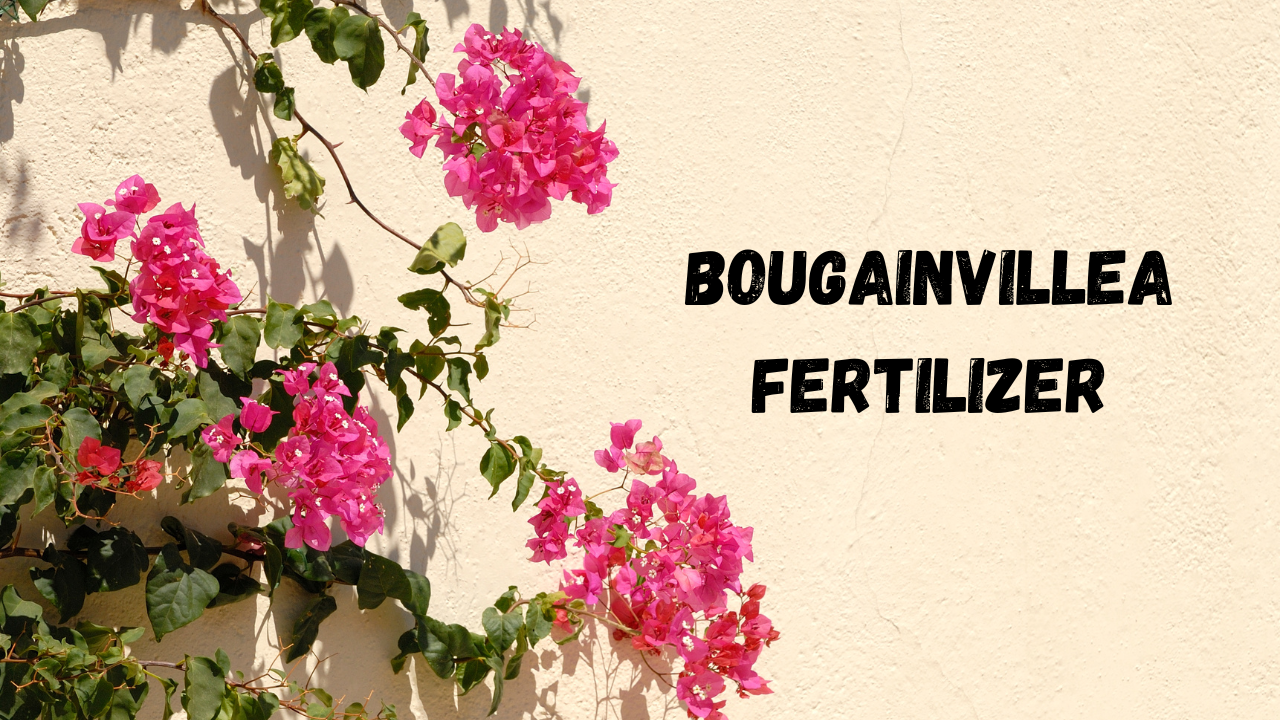
Bougainvillea is one of the most colorful flowering plants you can grow in a garden, on a balcony, or in a container. Its bright bracts create a stunning display that can last for months when the plant is healthy. While bougainvillea is known for being hardy and easy to grow, proper fertilization plays a major role in producing lush growth and abundant flowers.
Many gardeners believe that simply watering the plant is enough, but without the right nutrients, bougainvillea may grow slowly, produce fewer blooms, or develop pale leaves. Choosing the correct fertilizer and applying it at the right time can make a noticeable difference.
In this guide, you’ll learn everything you need to know about bougainvillea fertilizer, including the best fertilizer types, the ideal NPK ratio, how often to fertilize, common mistakes to avoid, and practical tips to keep your plant blooming throughout the growing season.
What Is the Best Fertilizer for Bougainvillea?
Choosing the right fertilizer is the first step toward growing a healthy bougainvillea. Since the plant produces many flowers, it needs a balanced supply of nutrients throughout its growing season.
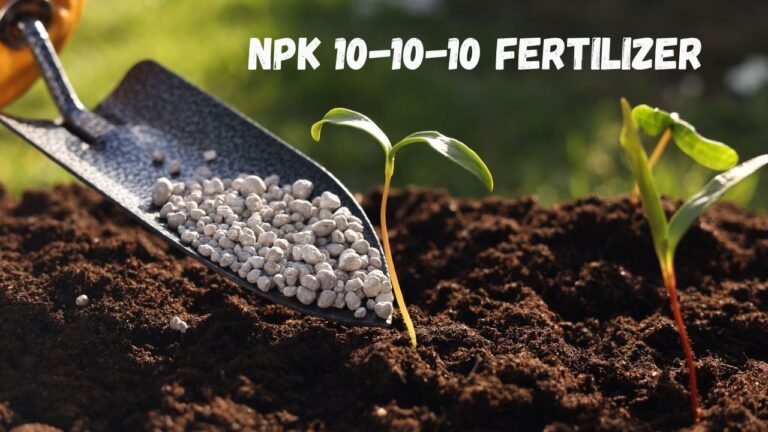
A balanced fertilizer such as 10-10-10 or 10-20-10 is suitable for most bougainvillea plants. These fertilizers provide the essential nutrients needed for healthy roots, strong stems, and colorful blooms.
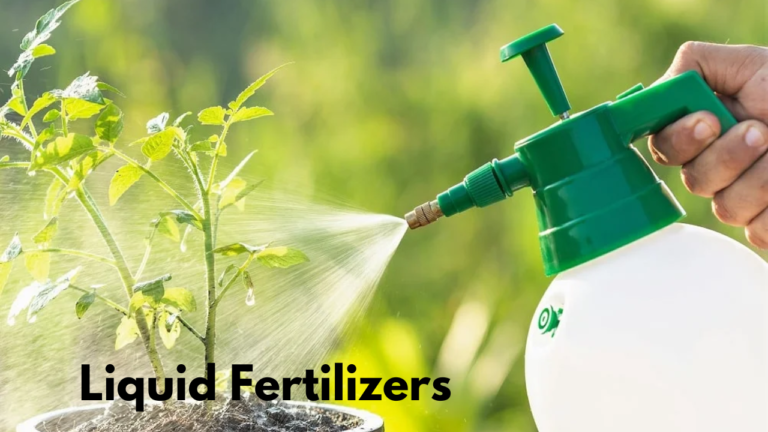
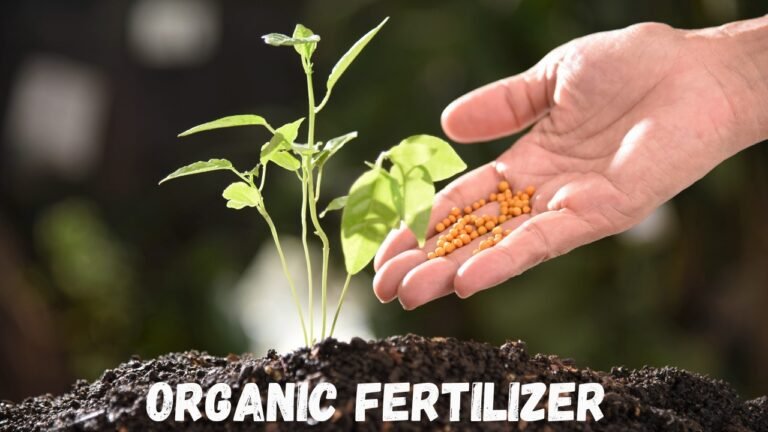
Slow-release fertilizers are ideal for gardeners who prefer low-maintenance care because they feed the plant over several weeks. Liquid fertilizers work faster and are useful when the plant needs an immediate nutrient boost. Organic fertilizers are another excellent option because they improve soil quality while feeding the plant naturally.
The best fertilizer is one that matches your plant’s growth stage and is applied according to the recommended schedule.
Does Bougainvillea Really Need Fertilizer?
Bougainvillea can survive in poor soil, but survival is different from thriving. Without enough nutrients, the plant may remain alive but produce fewer flowers and weaker growth.
Regular fertilization helps the plant by:
- Encouraging more blooms
- Producing stronger roots
- Supporting healthy leaf growth
- Improving resistance to stress
- Maintaining vibrant flower color
If your garden soil is already rich in organic matter, the plant may require less fertilizer. However, potted bougainvillea usually needs more frequent feeding because nutrients wash out of containers more quickly.
Understanding Bougainvillea’s Nutrient Needs
Like all flowering plants, bougainvillea requires several important nutrients to grow properly.
Nitrogen (N)
Nitrogen promotes healthy green leaves and vigorous stem growth. However, too much nitrogen encourages leaf production instead of flowers. If your bougainvillea has many leaves but very few blooms, excess nitrogen could be the reason.
Phosphorus (P)
Phosphorus supports root development and encourages flower production. It is one of the most important nutrients for producing colorful, long-lasting blooms.
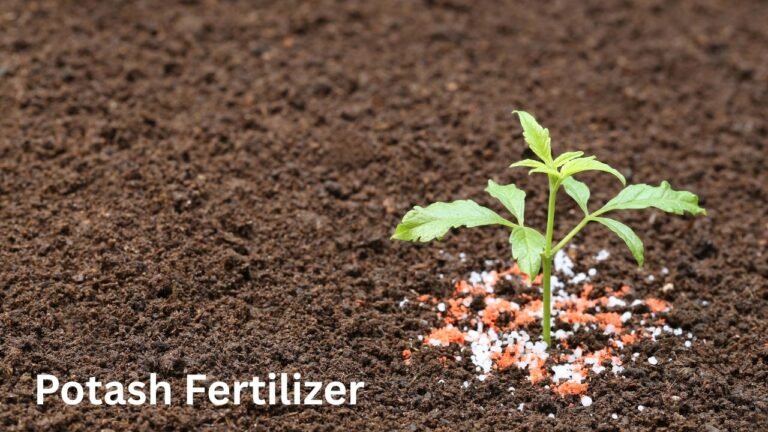
Potassium (K)
Potassium improves the plant’s overall health. It helps strengthen stems, improves drought tolerance, and supports better flowering.
Micronutrients
Besides the main nutrients, bougainvillea also benefits from small amounts of iron, magnesium, calcium, zinc, and manganese. These nutrients help prevent yellow leaves, improve photosynthesis, and keep the plant healthy.
Choosing the Right Bougainvillea Fertilizer
Many fertilizer options are available, and each has its own advantages.
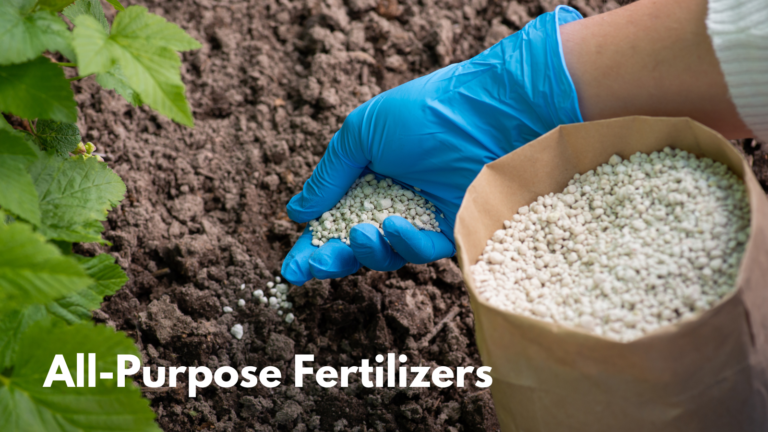
Granular Fertilizer
Granular fertilizers are easy to apply and provide nutrients over time. They are a popular choice for garden-grown bougainvillea.
Liquid Fertilizer
Liquid fertilizers are absorbed quickly and provide fast results. They are useful during the active growing season but require more frequent application.
Slow-Release Fertilizer
Slow-release fertilizers gradually supply nutrients for several weeks or even months. They reduce the risk of over-fertilization and require fewer applications.
Organic Fertilizer
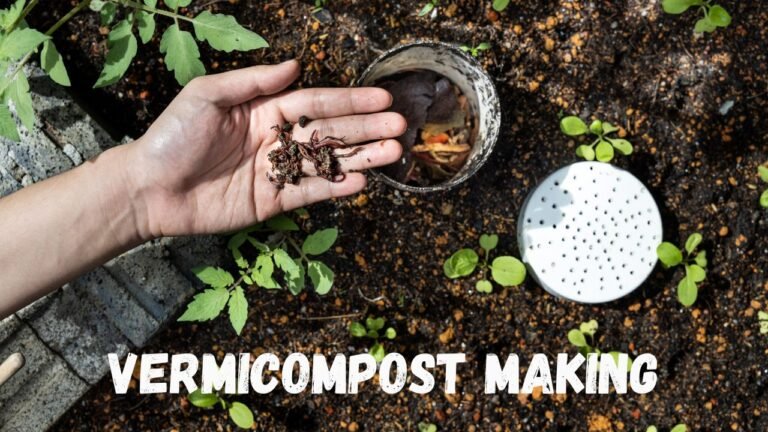
Organic fertilizers such as compost, vermicompost, fish emulsion, and well-rotted manure improve both soil fertility and plant health. They release nutrients slowly and support beneficial soil organisms.
Homemade Fertilizer
Simple homemade fertilizers made from compost, banana peels, or eggshells can provide additional nutrients. These should be used as supplements rather than complete replacements for a balanced fertilizer.
Best NPK Ratio for Bougainvillea
The numbers on fertilizer packaging represent the percentage of nitrogen (N), phosphorus (P), and potassium (K).
For most bougainvillea plants, a balanced fertilizer such as 10-10-10 works well for regular growth.
If your goal is to encourage more flowers, fertilizers with slightly higher phosphorus, such as 10-20-10, can improve blooming while still supporting healthy growth.
Avoid fertilizers with very high nitrogen levels because they encourage leafy growth at the expense of flowers.
When Should You Fertilize Bougainvillea?
The best time to fertilize bougainvillea is during its active growing season.
In spring, begin fertilizing when new growth appears. Continue feeding every four to six weeks throughout summer while the plant is actively producing flowers.
As temperatures begin to cool in autumn, reduce the amount of fertilizer so the plant can prepare for dormancy. During winter, most bougainvillea plants require little or no fertilizer, especially in cooler climates.
How Often Should You Fertilize Bougainvillea?
The ideal fertilizing schedule depends on where the plant is growing.
Garden-grown bougainvillea generally benefits from fertilizer every four to six weeks during spring and summer.
Potted plants usually require feeding every two to four weeks because frequent watering washes nutrients from the soil.
Always follow the fertilizer manufacturer’s instructions and avoid applying more than recommended.
How to Fertilize Bougainvillea Correctly
Applying fertilizer properly is just as important as choosing the right product.
Start by watering the soil if it is dry. Moist soil helps protect the roots from fertilizer burn.
Measure the recommended amount of fertilizer and spread it evenly around the plant’s root zone instead of placing it directly against the stem.
After application, water the soil thoroughly so the nutrients move into the root area.
Finally, observe your plant over the next few weeks. Healthy new growth and increased flowering indicate that your fertilization routine is working well.
Best Organic Fertilizers for Bougainvillea
Organic fertilizers improve both plant health and soil quality.
Some excellent choices include:
- Compost
- Vermicompost
- Fish emulsion
- Bone meal
- Seaweed extract
- Well-rotted manure
These natural fertilizers release nutrients gradually while improving soil structure and moisture retention.
Homemade Fertilizers for Bougainvillea
Several household materials can provide extra nutrients.
Banana peels supply potassium that supports flowering.
Crushed eggshells provide calcium, which strengthens plant tissues.
Compost tea offers a gentle nutrient boost while improving soil microorganisms.
Used coffee grounds can supply small amounts of nitrogen but should be applied sparingly because excessive amounts may affect soil conditions.
Homemade fertilizers work best as occasional supplements rather than the plant’s primary nutrient source.
Signs Your Bougainvillea Needs Fertilizer
Your plant often shows visible signs when nutrients are lacking.
Common symptoms include:
- Yellow leaves
- Slow growth
- Weak branches
- Small flowers
- Fewer blooms
- Pale foliage
These symptoms may also result from watering problems or poor soil, so always inspect the plant carefully before adding fertilizer.
Signs of Over-Fertilizing
Using too much fertilizer can damage your bougainvillea.
Watch for these warning signs:
- Many leaves but very few flowers
- Brown or burnt leaf edges
- White salt deposits on the soil
- Wilting despite proper watering
- Root damage
If over-fertilization occurs, water the soil deeply to help flush excess fertilizer from the root zone.
Common Fertilizer Mistakes to Avoid
Many gardeners unintentionally reduce flowering by making simple mistakes.
Avoid these common errors:
- Applying fertilizer too often
- Using high-nitrogen fertilizer regularly
- Fertilizing dry soil
- Feeding during winter dormancy
- Applying fertilizer directly against the trunk
- Ignoring soil pH
- Using excessive amounts of homemade fertilizers
A balanced approach usually produces the healthiest plants.
Watering After Fertilizing
Watering is an important part of the fertilizing process.
After applying fertilizer, water deeply to dissolve the nutrients and carry them into the root zone. Avoid overwatering, as constantly wet soil can damage bougainvillea roots.
Consistent watering and proper drainage help the plant absorb nutrients more efficiently.
Soil pH and Fertilizer Absorption
Even the best fertilizer will not work well if the soil pH is unsuitable.
Bougainvillea grows best in slightly acidic to neutral soil with a pH of about 5.5 to 6.5. This range allows the roots to absorb nutrients effectively.
Adding compost and maintaining healthy soil can help improve nutrient availability over time.
Frequently Asked Questions
What is the best fertilizer for bougainvillea?
A balanced fertilizer such as 10-10-10 or a bloom-promoting fertilizer like 10-20-10 works well for most plants.
How often should I fertilize bougainvillea?
Feed garden plants every four to six weeks during spring and summer. Potted plants may need fertilizer every two to four weeks.
Can I use coffee grounds on bougainvillea?
Yes, but only in small amounts. Coffee grounds provide nitrogen but should not replace a complete fertilizer.
Why does my bougainvillea have leaves but no flowers?
Too much nitrogen, insufficient sunlight, or improper pruning are common causes of poor flowering.
Should I fertilize bougainvillea during winter?
In most climates, fertilization should be reduced or stopped while the plant is dormant.
Conclusion
Proper fertilization is one of the most effective ways to keep your bougainvillea healthy, colorful, and full of flowers. By choosing the right fertilizer, applying it at the correct time, and avoiding common mistakes, you can enjoy stronger growth and longer-lasting blooms throughout the growing season.
Remember that fertilizer works best when combined with plenty of sunlight, well-drained soil, proper watering, and regular pruning. With consistent care and a balanced feeding schedule, your bougainvillea can become one of the most attractive plants in your garden.
If you’d like, I can also make this article even more SEO-focused by naturally incorporating related keywords and search terms without making it sound stuffed.