Liquid Fertilizers
Liquid fertilizers are one of the fastest and most effective ways to provide nutrients to plants. Unlike granular fertilizers that need time to dissolve in the soil, liquid fertilizers are already mixed with water, allowing plants to absorb nutrients much more quickly. This makes them an excellent choice for home gardens, vegetable farms, fruit orchards, flower beds, and indoor plants.
Many gardeners and farmers prefer liquid fertilizers because they are easy to apply, work quickly, and can be used through watering cans, sprayers, or drip irrigation systems. They also help plants recover faster from nutrient deficiencies and environmental stress.
In this guide, you will learn what liquid fertilizers are, the different types available, how to make them at home, their advantages and disadvantages, and the best ways to use them for healthy plant growth.
What Are Liquid Fertilizers?
Liquid fertilizers are nutrient-rich solutions that provide essential plant nutrients in a dissolved form. Because the nutrients are already mixed with water, they are quickly absorbed through the roots or leaves, allowing plants to respond faster than they usually do with many solid fertilizers.
These fertilizers can contain one nutrient, such as nitrogen, or a balanced mixture of nitrogen, phosphorus, and potassium. Many products also include calcium, magnesium, sulfur, and important micronutrients like iron, zinc, boron, and manganese.
Liquid fertilizers are suitable for vegetables, fruit trees, flowering plants, herbs, lawns, and indoor plants. They can be applied directly to the soil, sprayed on plant leaves, or delivered through drip irrigation systems. Although they provide quick results, they should always be applied according to the recommended rate. Applying too much fertilizer can damage plants instead of helping them grow.
Types of Liquid Fertilizers
Liquid fertilizers are available in different forms. Each type is designed to meet specific plant needs and growing conditions. The three main categories are chemical liquid fertilizers, organic liquid fertilizers, and biostimulant fertilizers.
Chemical Liquid Fertilizers
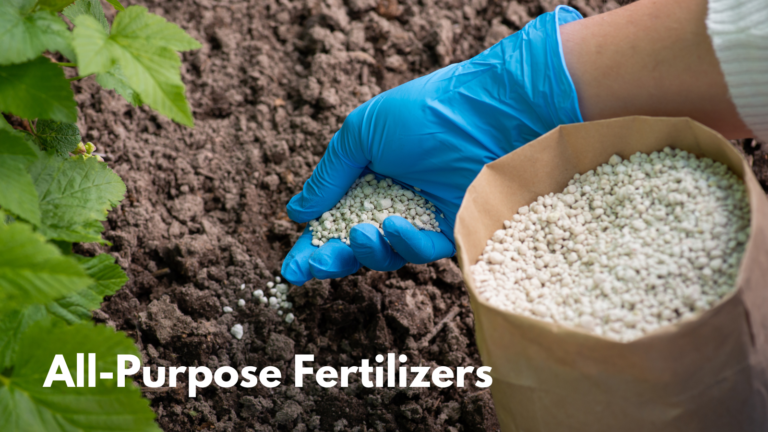
Chemical liquid fertilizers are made from inorganic nutrient compounds. They provide nutrients in accurate amounts and produce quick, predictable results. These fertilizers are widely used in commercial agriculture because they help crops meet their nutrient requirements during different growth stages.
Liquid NPK Fertilizers
Liquid NPK fertilizers contain nitrogen, phosphorus, and potassium in different ratios.
Nitrogen promotes healthy leaf growth, phosphorus supports root development and flowering, while potassium improves fruit quality, disease resistance, and overall plant strength.
Different NPK ratios are available for seedlings, leafy vegetables, flowering plants, and fruit-bearing crops.
Nitrogen Fertilizers
Nitrogen-rich fertilizers such as liquid urea and urea-ammonium nitrate are commonly used during the vegetative stage.
They encourage rapid leaf development, improve green color, and support photosynthesis. However, excessive nitrogen can produce too many leaves and reduce flowering or fruit production.
Phosphorus Fertilizers
Liquid phosphorus fertilizers help plants develop strong roots during their early growth stages.
They are especially useful for seedlings, newly transplanted vegetables, flowering plants, and crops that require healthy root systems for better establishment.
Potassium Fertilizers
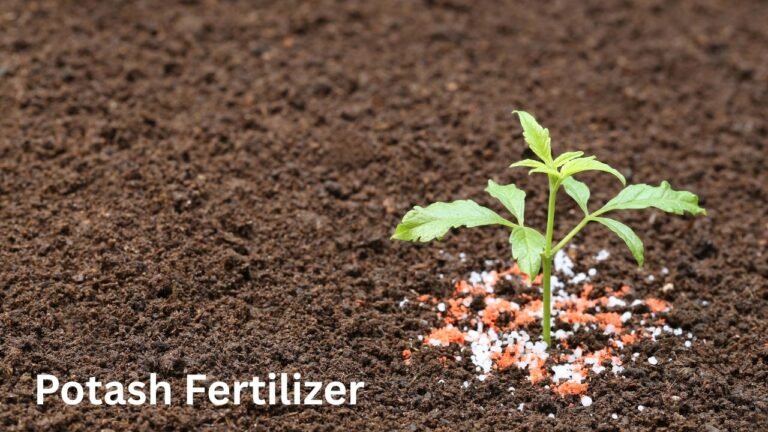
Potassium fertilizers improve fruit size, color, taste, and shelf life.
They also strengthen plants against drought, diseases, and temperature stress, making them valuable during flowering and fruit development.
Micronutrient Solutions
Plants require small amounts of nutrients such as iron, zinc, boron, copper, and manganese.
Micronutrient fertilizers correct nutrient deficiencies, improve leaf color, increase flowering, and support healthy crop production.
Organic Liquid Fertilizers
Organic liquid fertilizers are prepared from natural plant or animal materials. Besides supplying nutrients, they improve soil health by increasing beneficial microbial activity and adding organic matter.
Although they usually work more slowly than chemical fertilizers, they contribute to long-term soil fertility.
Here you can read More about Organic fertilizers.
Fish Emulsion
Fish emulsion is one of the most popular organic fertilizers.
It contains nitrogen, phosphorus, potassium, amino acids, and trace minerals that encourage healthy vegetative growth. It is widely used for vegetables, flowers, and ornamental plants.
Seaweed Extract
Seaweed fertilizer is prepared from marine algae.
It contains natural plant growth compounds that improve root development, increase stress tolerance, and encourage healthy flowering. Many gardeners use it after transplanting or during hot weather to help plants recover from stress.
Compost Tea
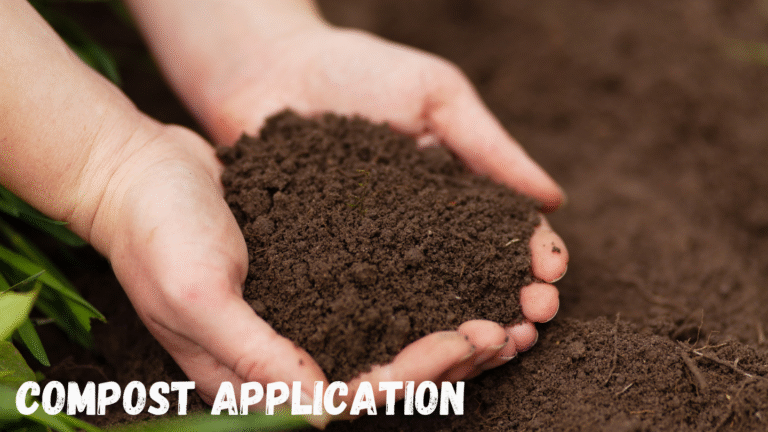
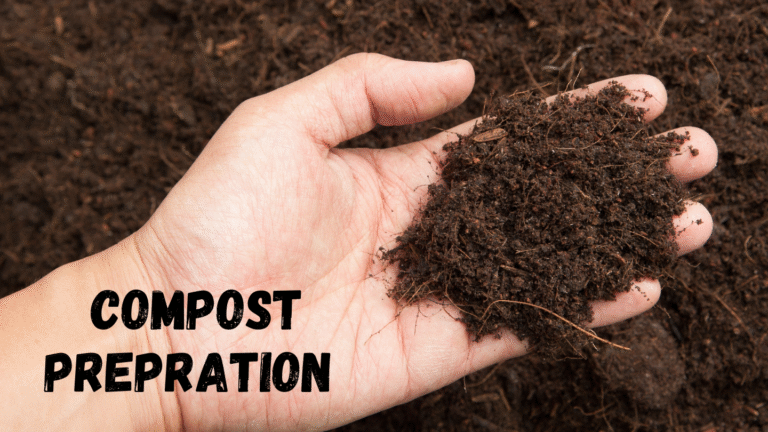
Compost tea is made by soaking well-prepared compost in water for several days.
The liquid contains beneficial microorganisms and soluble nutrients that improve soil health and encourage strong root growth. It is commonly used in organic gardens and vegetable production.
Vermicompost Tea
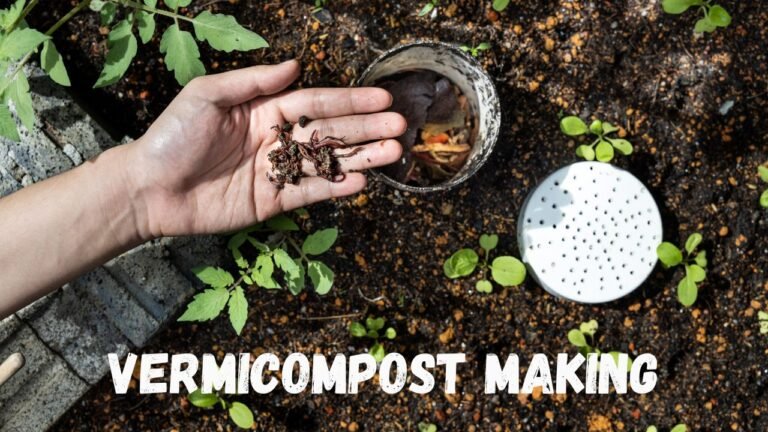
Vermicompost tea is prepared using earthworm compost.
It contains beneficial bacteria, enzymes, and plant nutrients that improve soil fertility and support healthy plant growth.
Humic and Fulvic Acid
Humic and fulvic acids are natural substances that improve nutrient availability in the soil.
Although they are not complete fertilizers, they help plants absorb nutrients more efficiently and encourage healthy root development.
Biostimulant Liquid Fertilizers
Biostimulants support plant growth without supplying large amounts of nutrients.
Instead, they improve the plant’s natural ability to absorb nutrients, develop stronger roots, and tolerate drought, heat, cold, and transplant stress.
Common biostimulants include kelp extracts, amino acid solutions, humic acid, fulvic acid, and beneficial microbial products.
Many growers apply these products together with regular fertilizers to improve overall plant performance.
Homemade Liquid Fertilizers
Many effective liquid fertilizers can be prepared at home using simple kitchen and garden materials. These homemade solutions are inexpensive, environmentally friendly, and suitable for small gardens.
If you want To learn more about home made Liquid fertilizers visit here.
Compost Tea
Compost tea is one of the easiest homemade fertilizers.
Fill a bucket with one part mature compost and five parts water. Stir the mixture and let it sit for two to three days. Strain the liquid before using it.
This fertilizer supplies nutrients, improves soil microorganisms, and promotes healthy root growth.
Banana Peel Fertilizer
Banana peels are rich in potassium. Cut a few banana peels into small pieces and soak them in water for two to three days. Use the strained water around flowering and fruiting plants. This solution supports flowering, fruit development, and stronger stems.
Manure Tea
Well-aged cow or poultry manure can be used to prepare liquid fertilizer.
Place the manure inside a cloth bag and soak it in a bucket of water for several days. Stir the mixture daily before straining. Always use well-decomposed manure because fresh manure may contain harmful bacteria and excessive amounts of nitrogen.
Rice Water
Water left after washing or boiling rice contains small amounts of minerals and starch. After cooling, it can be used to water vegetables, herbs, and ornamental plants. Although it is not a complete fertilizer, it provides gentle nutrition and supports beneficial soil microbes.
Seaweed Fertilizer
If fresh seaweed is available, rinse it thoroughly to remove excess salt.
Soak it in water for two to three weeks before filtering the liquid.
Seaweed fertilizer contains natural growth-promoting compounds that help plants tolerate environmental stress while encouraging healthy growth.
Benefits of Liquid Fertilizers
Liquid fertilizers offer several advantages that make them a popular choice for gardeners and farmers.
- Fast nutrient absorption: Nutrients are already dissolved in water, allowing plants to absorb them quickly through their roots or leaves.
- Quick plant response: Plants often show greener leaves, stronger growth, and improved health within a few days.
- Easy to apply: They can be used with a watering can, sprayer, drip irrigation system, or fertigation equipment.
- Even nutrient distribution: The fertilizer spreads evenly in the soil, providing balanced nutrition to plants.
- Suitable for foliar feeding: They can be sprayed directly on leaves for faster nutrient uptake.
- Works well with drip irrigation: Liquid fertilizers mix easily with irrigation water, improving nutrient efficiency and reducing waste.
- Easy to adjust dosage: The concentration can be changed according to the crop, growth stage, and nutrient requirements.
Drawbacks of Liquid Fertilizers
Despite their many benefits, liquid fertilizers also have a few limitations.
Shorter shelf life: Some liquid fertilizers have a limited storage life and should be kept in a cool, dry place.
Require frequent application: Since nutrients are available for a shorter time, plants often need repeated feeding.
Risk of overfeeding: Using a concentrated solution can burn leaves and roots or damage plant growth.
Higher cost: Commercial liquid fertilizers may cost more than granular fertilizers, especially for large-scale farming.
Nutrient loss: Heavy rain or excessive watering can wash nutrients away before plants absorb them.
How and When to Apply Liquid Fertilizers
Applying fertilizers correctly is just as important as choosing the right product. Proper timing and application methods help plants absorb nutrients more efficiently while reducing waste.
Soil Application
Soil application is the most common method.
The fertilizer solution is poured around the base of the plant, allowing nutrients to move into the root zone where they are absorbed.This method works well for vegetables, fruit trees, flowering plants, shrubs, and indoor plants.
Foliar Spray
Foliar spraying involves applying the fertilizer directly to the leaves.
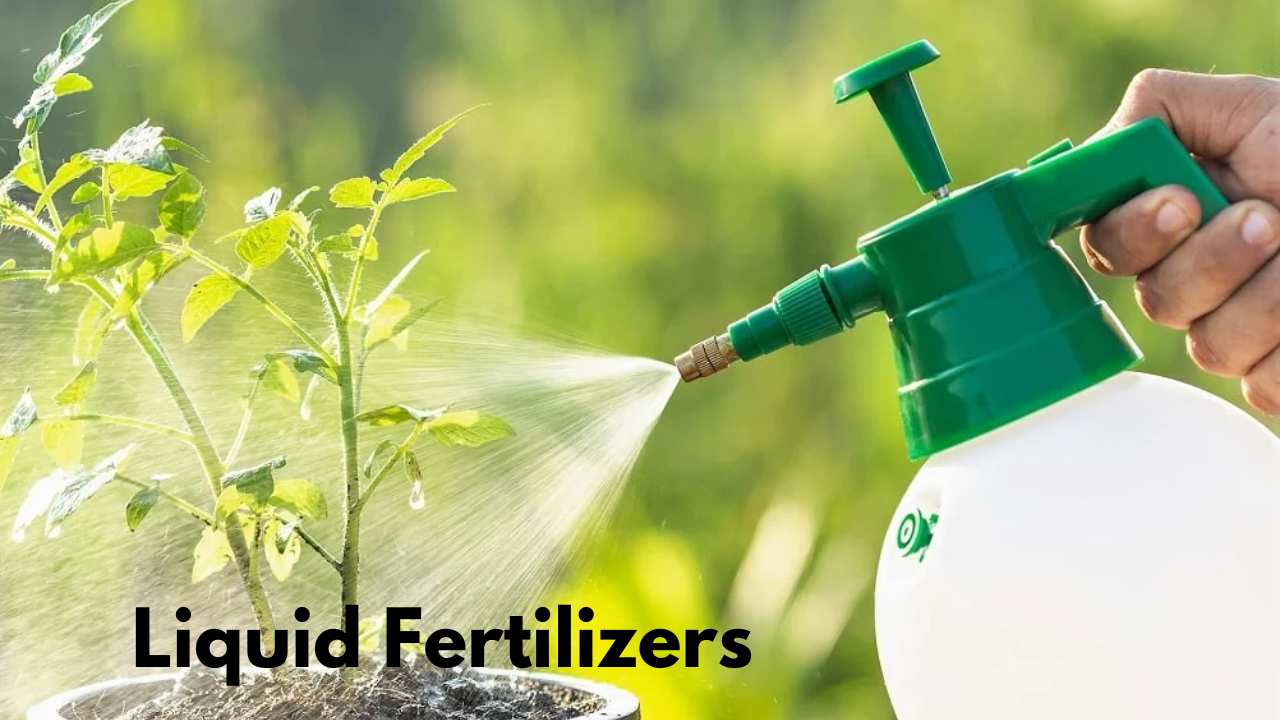
Plants absorb nutrients through tiny openings on the leaf surface, making this method useful when a quick nutrient boost is needed.Spray both the upper and lower surfaces of the leaves for better coverage.
Drip Irrigation
Many commercial growers apply liquid fertilizers through drip irrigation systems.This method delivers nutrients directly to the root zone while reducing water and fertilizer losses.
It is one of the most efficient application methods for vegetables, orchards, and greenhouse crops.
Best Time to Apply
The best time to apply liquid fertilizer is early in the morning or late in the afternoon.During these cooler hours, plants absorb nutrients more efficiently and there is less risk of leaf burn.
Avoid applying fertilizers during the hottest part of the day because high temperatures increase evaporation and may damage plant leaves.
How Often Should You Apply?
The application schedule depends on the fertilizer type and the crop being grown.Fast-growing vegetables may benefit from applications every one to two weeks.Flowering plants are usually fertilized every two to three weeks during their active growing season.
Fruit trees generally require fewer applications but benefit from fertilizer during active growth, flowering, and fruit development.Always adjust the schedule according to the fertilizer label and your plant’s condition.
Choosing the Right Liquid Fertilizer
Selecting the right fertilizer depends on several important factors. First, identify the type of plant you are growing. Vegetables, flowers, lawns, and fruit trees all have different nutrient requirements.
Next, consider the plant’s growth stage. Young plants need nutrients that encourage root development, while flowering and fruiting plants require higher amounts of phosphorus and potassium.
The condition of your soil also matters. If the soil lacks organic matter, organic fertilizers and compost tea can improve long-term fertility. If a plant shows a specific nutrient deficiency, a balanced chemical fertilizer or micronutrient solution may provide faster results.
Common Mistakes to Avoid
Many fertilizer problems happen because of simple mistakes rather than poor-quality products. Avoid applying more fertilizer than recommended. Extra fertilizer does not produce faster growth and may damage plants.Never spray fertilizers during strong sunlight or extremely hot weather because the leaves may burn.
Do not apply fertilizer to completely dry soil. Water the soil first so that roots can absorb nutrients more safely.
Avoid mixing different fertilizers unless the products are known to be compatible.Do not ignore nutrient deficiency symptoms. Yellow leaves, poor flowering, and slow growth often indicate that plants need balanced nutrition.
Finally, remember that healthy soil is just as important as fertilizer. Good watering practices, proper drainage, and regular organic matter additions all contribute to healthy plant growth.
Frequently Asked Questions
Is liquid fertilizer better than granular fertilizer?
Both have advantages. Liquid fertilizers provide nutrients quickly, while granular fertilizers usually release nutrients over a longer period. The best choice depends on your plants and growing conditions.
Can I use liquid fertilizer every week?
Some products can be applied weekly when diluted correctly, while others should only be used every two to four weeks. Always follow the manufacturer’s instructions.
Can liquid fertilizer burn plants?
Yes. Applying a concentrated solution or fertilizing during hot weather may burn leaves and roots. Always dilute the fertilizer according to the recommended rate.
Can I make liquid fertilizer at home?
Yes. Compost tea, banana peel fertilizer, manure tea, rice water, and seaweed fertilizer are all simple homemade options for home gardens.
Can liquid fertilizer be used on indoor plants?
Yes. Most indoor plants respond well to diluted liquid fertilizers during their active growing season. Avoid overfeeding, as indoor plants generally require smaller amounts of nutrients.
Conclusion
Liquid fertilizers are one of the most effective tools for promoting healthy plant growth. They provide nutrients quickly, are easy to apply, and work well for vegetables, flowers, fruit trees, lawns, and indoor plants.
Whether you choose a commercial product or prepare your own fertilizer at home, success depends on using the right nutrients at the right time and in the correct amount. Understanding your plant’s needs, following proper application methods, and avoiding common mistakes will help you achieve healthier plants and better harvests.
When used as part of a balanced plant care routine, liquid fertilizers can improve root development, encourage strong flowering, increase fruit production, and maintain healthy growth throughout the growing season.