Rose Fertilizer and Nutrition
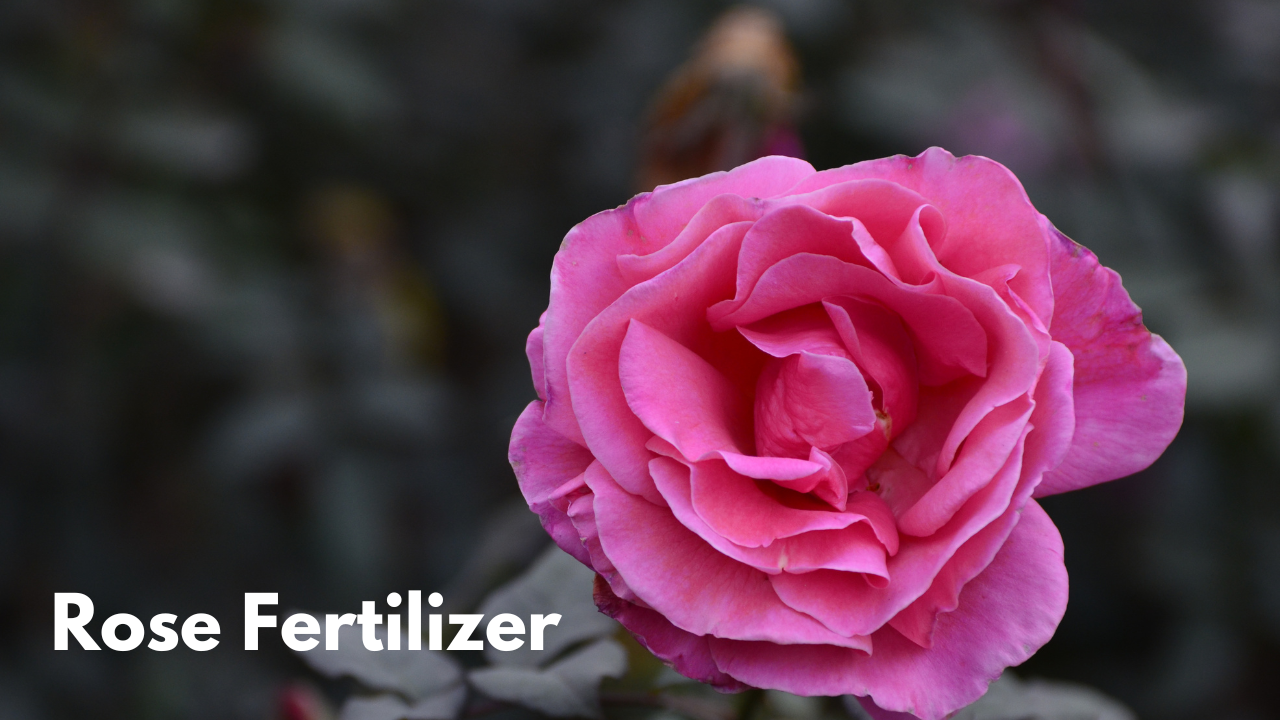
Rose are among the most popular ornamental plants grown in home gardens, parks, and landscapes. They are admired for their attractive flowers, pleasant fragrance, and wide range of colors. However, roses are known as heavy feeders, which means they require a regular supply of nutrients to grow properly and produce continuous blooms.
Unlike many hardy plants that survive in poor soil, roses need fertile soil and balanced nutrition. Proper fertilization helps roses develop strong roots, healthy leaves, and large colorful flowers. Without adequate nutrients, plants may show weak growth, poor flowering, and increased susceptibility to pests and diseases.
For example, a gardener may notice that a rose plant planted in ordinary garden soil blooms well in the first year but produces fewer flowers later. This usually happens because nutrients in the soil become depleted over time and need to be replenished through fertilization.
Nutritional Needs of Roses
Roses require both major and minor nutrients for normal growth and flowering. Each nutrient performs a specific function in the plant.
Major Nutrients (Macronutrients)
- Nitrogen (N): Promotes leaf and stem growth. Healthy green leaves help the plant produce more food through photosynthesis.
- Phosphorus (P): Encourages strong root development and improves flower formation.
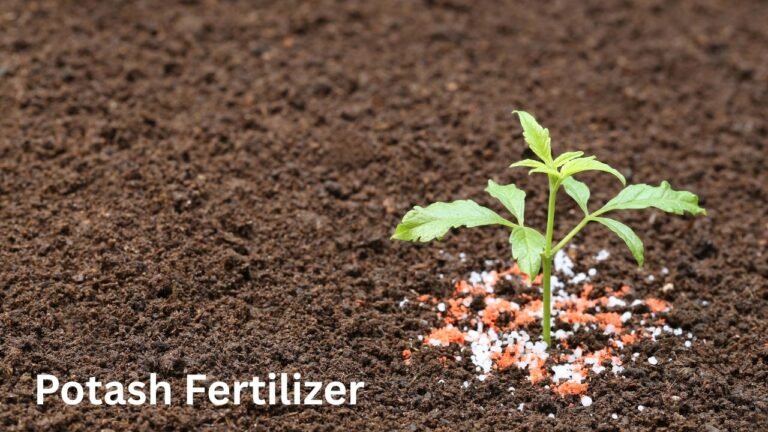
- Potassium (K): Enhances overall plant strength and increases resistance against diseases and environmental stress.
For instance, if a rose plant has many leaves but very few flowers, excessive nitrogen may be the reason.
Secondary Nutrients and Micronutrients
Roses also require smaller amounts of nutrients such as calcium, magnesium, iron, zinc, and copper. These nutrients support chlorophyll formation, bud development, and overall plant metabolism.
A lack of iron often causes yellow leaves with green veins, a common problem observed in alkaline soils.
Soil Requirements for Roses
Healthy soil is the foundation of successful rose cultivation. Roses grow best in well-drained soil rich in organic matter.
The ideal soil conditions include:
- Slightly acidic soil with pH between 6.0 and 6.5
- Good drainage to prevent root rot
- High organic matter content
Before applying fertilizers, it is recommended to conduct a soil test. Soil testing helps identify nutrient deficiencies and prevents unnecessary fertilizer application.
For example, many gardeners continuously apply phosphorus fertilizer even when soil already contains sufficient phosphorus, leading to nutrient imbalance.
Types of Rose Fertilizers
Different types of fertilizers are available, and each has specific advantages.
Organic Fertilizers
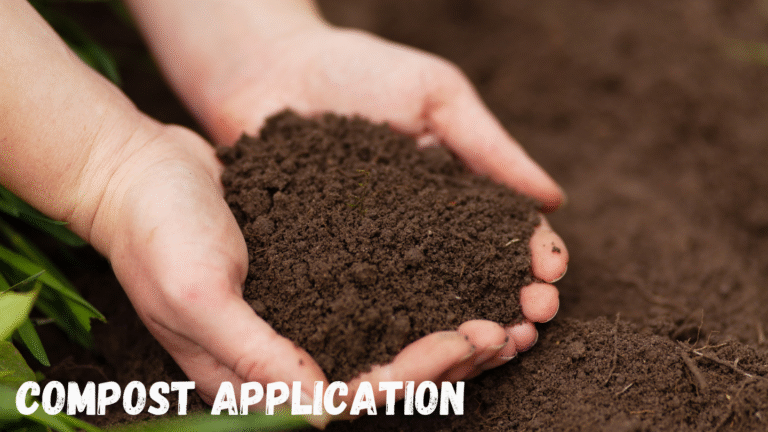
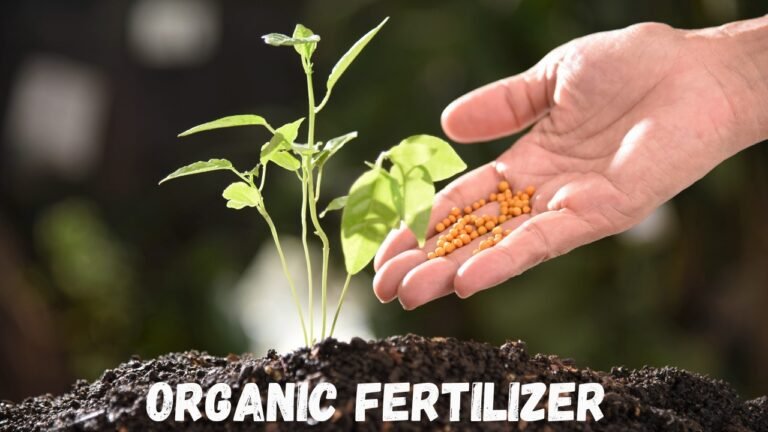
Organic fertilizers are derived from natural materials such as plant residues and animal manure. They improve soil structure and support beneficial microorganisms. Examples include compost, manure, bone meal, and fish emulsion.
Synthetic (Chemical) Fertilizers
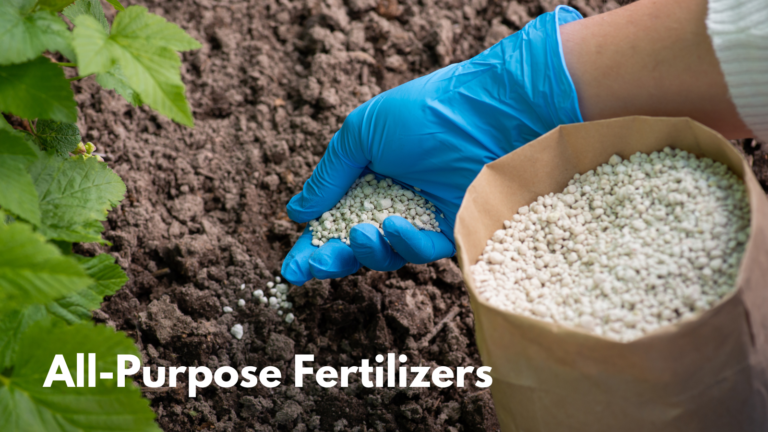
Synthetic fertilizers provide nutrients in concentrated form and act quickly. They are useful when plants show immediate nutrient deficiency symptoms. However, excessive use may harm soil health.
Liquid Fertilizers
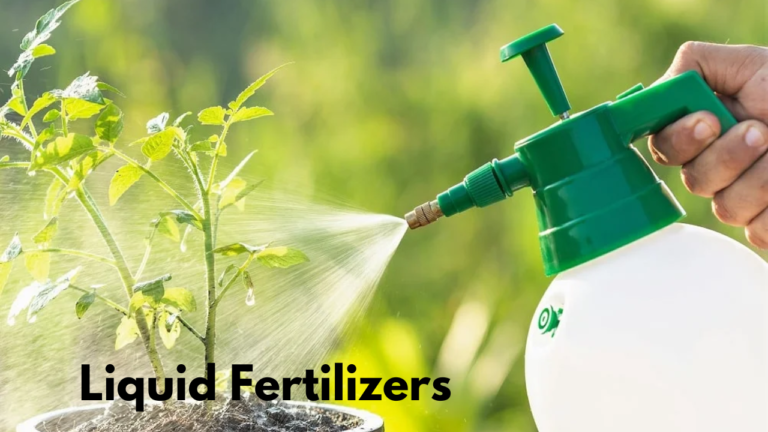
Liquid fertilizers are diluted in water and applied to soil or leaves. They provide quick nutrient availability and are useful for weak or stressed plants.
Granular Fertilizers
Granular fertilizers are applied around the plant base and release nutrients slowly over time. They are suitable for long-term feeding.
Slow-Release Fertilizers
These fertilizers release nutrients gradually for several weeks or months, reducing the need for frequent application.
Organic Amendments for Roses
Apart from fertilizers, soil amendments improve physical and biological soil properties. They enhance moisture retention and support root development.
Common organic amendments include:
- Compost for overall soil improvement
- Well-rotted manure for balanced nutrition
- Bone meal for root growth
- Fish fertilizer for rapid vegetative growth
- Alfalfa meal for vigorous flowering
- Coffee grounds for nitrogen supply
- Mulch to conserve soil moisture
A practical example is using compost around rose plants every spring, which improves soil fertility naturally and reduces fertilizer requirement.
Read Here More about Bougainvillea Fertilizer.
When to Fertilize Roses
Proper timing is essential for effective fertilization because nutrient demand changes throughout the growing season.
Newly Planted Roses
New roses should first establish their root system. Light fertilization should begin only after new growth appears. Mild fertilizers applied every few weeks help young plants grow steadily.
Established Roses
Established plants require seasonal feeding.
- Spring: Apply fertilizer when new leaves start emerging. Nitrogen helps promote fresh vegetative growth.
- Summer: Focus on phosphorus and potassium to support flowering.
- Fall: Reduce fertilization and encourage root strengthening rather than new shoot growth.
- Container Roses: Need more frequent feeding because nutrients wash out quickly during watering.
For example, gardeners often notice excellent spring growth when fertilizer is applied after pruning and the appearance of new shoots.
How to Apply Fertilizer
Correct application methods improve fertilizer efficiency and prevent plant damage.
Fertilizer can be applied in the following ways:
- Mixing fertilizer into soil around the plant base
- Applying liquid fertilizer through irrigation
- Using foliar spray for quick nutrient absorption
Important practices include:
- Water plants before and after fertilization
- Avoid direct contact of fertilizer with stems
- Follow recommended dosage instructions
Deep watering helps nutrients move into the root zone and prevents root burn.
Signs of Nutrient Deficiency and Excess
Rose plants clearly show symptoms when nutrients are lacking or excessive.
Common deficiency symptoms:
- Yellow leaves
- Slow growth
- Small flowers
- Weak stems
Signs of overfertilization:
- Leaf burn
- Wilting despite watering
- Excessive leafy growth with fewer blooms
For instance, overuse of chemical fertilizer may produce lush leaves but almost no flowers.
Common Mistakes in Rose Fertilization
Many problems arise due to improper fertilization practices.
Common mistakes include:
- Applying too much fertilizer
- Fertilizing at the wrong time
- Ignoring soil testing
- Fertilizing during extreme heat
- Not watering after fertilizer application
Gardeners sometimes believe that more fertilizer means more flowers, but this often damages roots instead.
Best Practices for Healthy Roses
Successful rose cultivation depends on balanced management rather than heavy feeding.
Good practices include:
- Maintaining a regular fertilization schedule
- Combining organic and synthetic fertilizers wisely
- Improving soil health through compost and mulch
- Monitoring plant growth regularly
- Adjusting fertilization based on plant response
A balanced approach ensures continuous flowering and strong plant health throughout the year.
Conclusion
Proper fertilization plays a vital role in maintaining healthy and productive rose plants. Roses require balanced nutrients, suitable soil conditions, and timely feeding to produce beautiful blooms season after season.
By understanding nutrient requirements, choosing the right fertilizer type, and following correct application methods, gardeners can enjoy vigorous plants with long-lasting flowers. Sustainable practices such as soil testing, organic amendments, and moderate fertilization not only improve plant growth but also maintain long-term soil fertility.
With proper care and feeding, roses can remain the centerpiece of any garden, providing beauty, fragrance, and satisfaction to growers year after year. 🌹