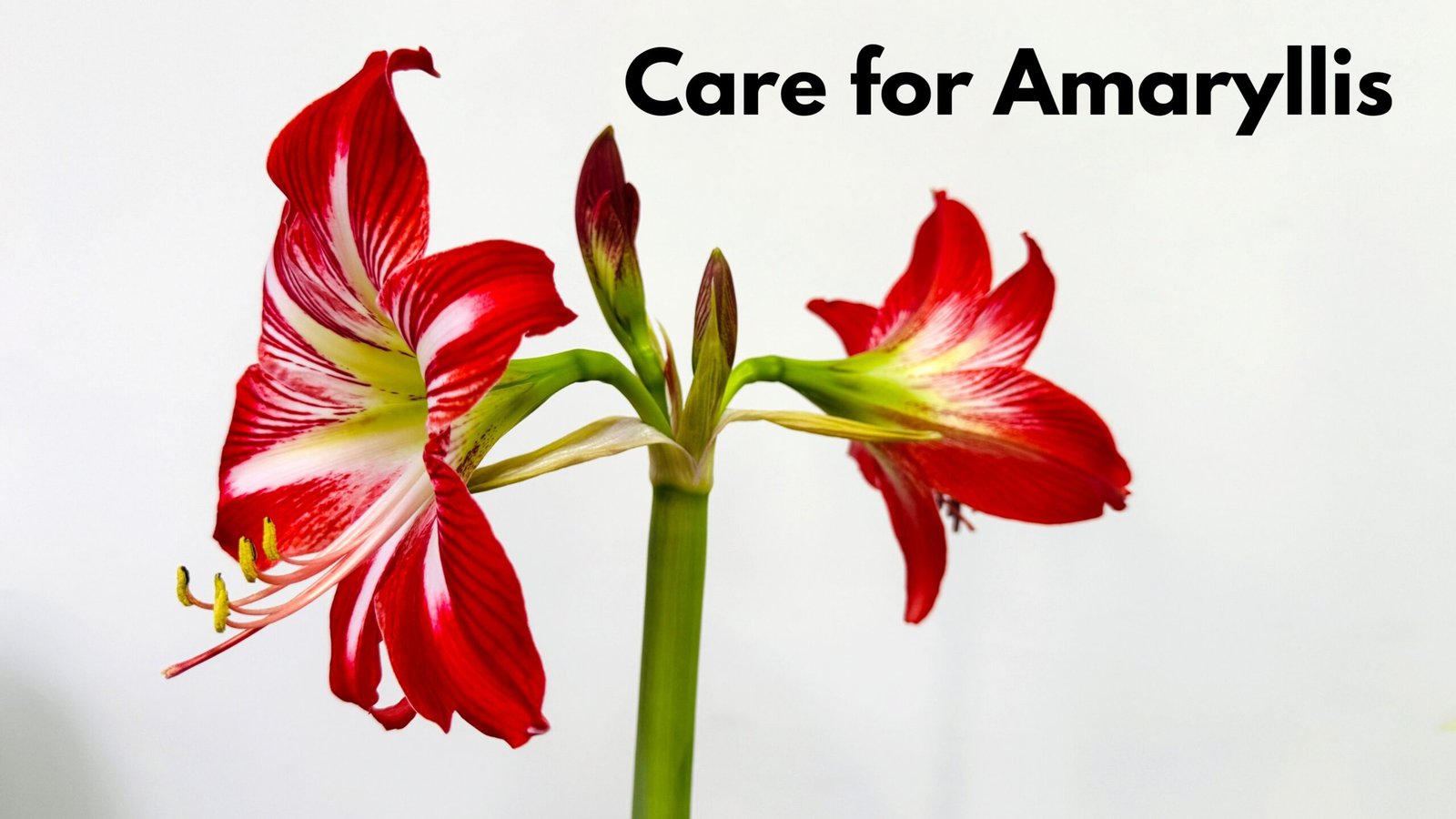
How to Care for Amaryllis Plants?
If there is one flowering plant that can turn an ordinary room into a small indoor garden, it is the amaryllis. Many people first meet this plant during winter holidays when a single bulb suddenly produces tall stems and huge trumpet-shaped flowers. What surprises most beginners is that amaryllis is not just a temporary decoration. With the right care, the same bulb can live and bloom for 20–25 years, producing flowers again and again.
Amaryllis is loved by gardeners because it is both beautiful and forgiving. Even people with little gardening experience can successfully grow it. Once you understand how the plant grows and rests during the year, caring for amaryllis becomes simple and enjoyable.
What Is an Amaryllis Plant?
Amaryllis is a bulbous flowering plant commonly grown indoors. The plants sold worldwide belong mostly to the genus Hippeastrum, originally native to Central and South America. Each bulb stores food and energy inside it, which allows the plant to produce flowers even before leaves appear.
A healthy amaryllis usually grows 1 to 2 feet tall, sometimes reaching nearly 3 feet under good conditions. Each bulb can produce one to three flower stalks, and each stalk may carry two to six large flowers. These flowers come in red, pink, white, salmon, striped, or bi-colored forms.
One important fact you should know is that all parts of the plant, especially the bulb, contain toxic compounds. Therefore, keep amaryllis away from pets and small children.
Amaryllis Growth Cycle
Successful amaryllis care depends on understanding its natural life cycle. Unlike many houseplants that grow continuously, amaryllis follows a yearly rhythm.
First comes the planting or awakening stage when the bulb begins active growth. Next is leaf and stem development, followed by the flowering stage when the plant produces its famous blooms.
After flowering, the plant enters an energy storage phase where leaves grow and send nutrients back into the bulb. Finally, the bulb requires a dormancy or rest period lasting about 8 to 10 weeks.
Many beginners throw away the plant after flowering because they think it has died, but in reality, the plant is simply preparing for the next season. Without this rest, the plant usually will not bloom again.
Types of Amaryllis You May Find
Garden centers usually sell amaryllis in three main forms.
Potted amaryllis plants are already planted and growing. These are ideal for beginners because most of the work has already been done.
Bare bulbs are sold dry and require planting. They allow gardeners to control the flowering time, which is why many people plant them before winter holidays.
Waxed bulbs are coated in decorative wax and do not require soil or watering. They bloom using stored energy but usually cannot be grown again afterward.
How to Plant Amaryllis Bulbs
Select bulbs that are:
- Firm
- Heavy
- Free from mold or soft spots
Larger bulbs generally produce more flowers.
Selecting the Right Pot
- Choose a heavy container.
- Pot diameter should be only 2–3 cm wider than the bulb.
Soil Requirements
Use well-drained potting mix to prevent rot.
Proper Planting Depth
Leave the top one-third of the bulb above soil level. Best Time for Planting is 6–8 weeks before desired flowering time.
Light Requirements
Amaryllis thrives in bright but indirect sunlight. A sunny windowsill works well, especially one that receives morning light.
Too little light causes weak stems that bend toward the window. Too much harsh afternoon sun can scorch leaves. A simple trick many gardeners use is rotating the pot every few days so the plant grows straight rather than leaning to one side.
From real experience, many beginners place amaryllis in decorative corners with low light. The plant survives but produces small flowers. Moving it closer to natural light often makes a dramatic difference.
Watering Amaryllis the Right Way
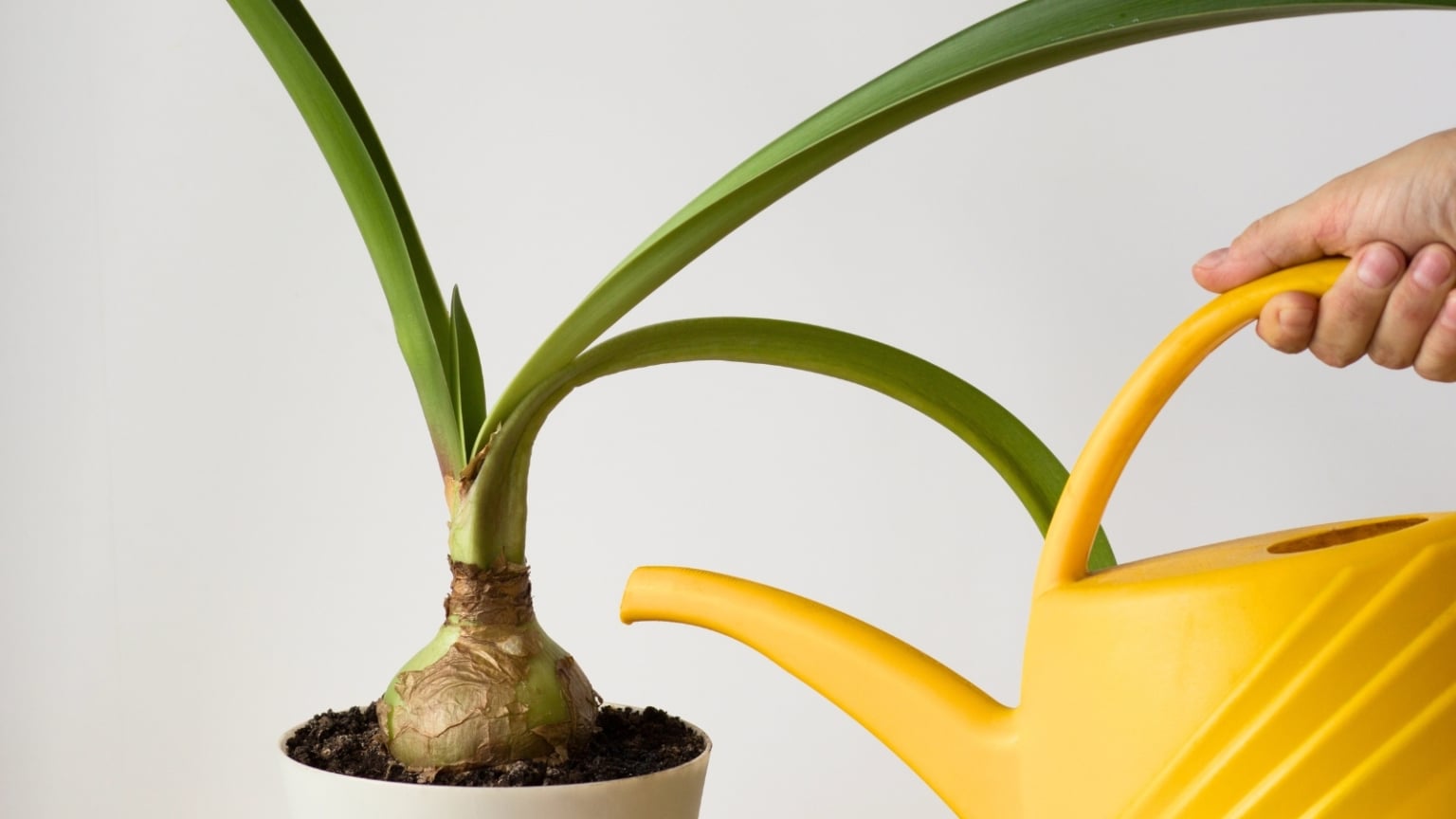
Watering is where most mistakes happen. Amaryllis bulbs dislike constantly wet soil.
Watering Schedule
- Allow top soil to dry before watering again.
- Water lightly after planting.
- Increase watering once growth starts.
A practical habit is to lift the pot slightly. A very heavy pot usually means the soil is still wet, while a lighter pot indicates it needs water.
Temperature and Growing Conditions
Amaryllis grows best at indoor temperatures between 18–24°C (65–75°F). These conditions match normal room temperatures, which is why the plant performs well indoors.
Avoid placing it near cold drafts, air conditioners, or heating vents. Stable temperatures encourage strong flower development. Warm conditions promote faster growth, while slightly cooler rooms help flowers last longer.
Fertilizing for Healthy Growth

Fertilizer is essential after flowering when leaves are actively growing. Healthy leaves feed the bulb and determine next year’s blooms.
Start fertilizing once leaves appear. Use a balanced houseplant fertilizer every two to four weeks. Avoid fertilizing immediately after planting before leaves develop, as roots are still sensitive.
Experienced growers often say that the secret to big flowers next year is strong leaf growth this year.
Care During Blooming
When flowers appear, simple care keeps them attractive longer.
Bloom Care Tips
- Support heavy flower stems with stakes if needed.
- Rotate plant for balanced growth.
- Keep in cooler room to extend bloom life.
Individual flowers may last 2–3 weeks, while the whole display can continue for over a month.
Here you can read about Care of Roses in Detail.
What to Do After the Flowers Fade
Many beginners believe the plant’s job is finished once flowers fade, but this is actually the most important care stage.
Cut off each faded flower. When the entire stalk turns yellow or brown, cut it back about one to two inches above the bulb. Do not remove green leaves. These leaves act like solar panels, producing energy that recharges the bulb.
Continue watering and feeding through spring and summer. During this time the plant looks like a leafy houseplant rather than a flowering one, but inside the bulb new flower buds are forming.
Moving Amaryllis Outdoors
If climate allows, moving the plant outdoors in summer greatly improves growth. Place it in partial shade or gentle morning sunlight.
Outdoor conditions provide stronger light and airflow, helping the bulb gain strength. Bring the plant indoors before temperatures drop below cool levels because amaryllis does not tolerate frost.
Many gardeners notice that bulbs kept outdoors in summer produce larger flowers the following winter.
The Dormancy Period
Dormancy is the secret that many beginners overlook. Amaryllis naturally rests during dry seasons in its native habitat.
In early autumn, stop fertilizing and gradually reduce watering. Leaves will turn yellow and die back naturally. This is normal and necessary. Move the pot to a cool, dark place around 10–13°C (50–55°F) for about 8 to 10 weeks. During this time, do not water the bulb.
This resting phase signals the bulb to restart its flowering cycle.
How to Make Amaryllis Bloom Again
After the dormancy period, bring the plant back into bright light and resume watering. Within a few weeks, a new flower stalk should appear.
This moment is exciting for beginners because it proves the plant is alive and responding exactly as nature intended.
Propagating Amaryllis

Over time, mature bulbs produce small side bulbs called offsets or bulbils. These can be gently separated and planted in new pots.
Young bulbs may take two to three years before flowering, but they eventually grow into full plants. This is how one amaryllis can multiply into several plants over the years.
Common Problems and Practical Solutions
The most common issue is lack of flowering. Usually this happens because the bulb did not receive a proper dormancy period or enough light during growth.
Yellow leaves often indicate overwatering. Weak stems usually result from insufficient light. Pest problems indoors are rare but may include spider mites or mealybugs, which can be controlled with simple horticultural oil.
From practical experience, nearly all amaryllis failures come from too much care rather than too little. Overwatering and constant fertilizing are more harmful than occasional neglect.
Final Thoughts
Amaryllis is one of the most rewarding plants a beginner can grow. It teaches patience, seasonal awareness, and the natural cycle of plant life. Watching a dry bulb transform into tall flowering stems within weeks feels almost magical.
With proper light, careful watering, feeding during growth, and a mandatory rest period, your amaryllis can become a long-term companion plant that blooms beautifully year after year.
Many gardeners begin with one holiday bulb and end up maintaining a collection that flowers every winter, proving that successful gardening often starts with understanding nature rather than controlling it.
Frequently Asked Questions (FAQs) About Amaryllis Care
1. How often should I water my amaryllis plant?
Water only when the top 2–3 cm (1 inch) of soil feels dry. Overwatering is the most common mistake and can cause bulb rot. During dormancy, stop watering completely.
2. How long does an amaryllis flower last?
Individual flowers usually last 2–3 weeks, while the entire blooming period may continue for 4–7 weeks, depending on temperature and care conditions.
3. Can amaryllis bloom more than once?
Yes. With proper care and a required dormancy period, an amaryllis bulb can rebloom every year and may live for 20–25 years.
4. Why is my amaryllis growing leaves but no flowers?
This usually happens when:
- The plant did not receive a dormancy period.
- Light conditions were insufficient.
- Too much nitrogen fertilizer was used.
5. Does amaryllis need direct sunlight?
Amaryllis prefers bright, indirect light. Gentle morning sun is beneficial, but strong afternoon sunlight can scorch leaves and flowers.
6. When should I cut back the flower stalk?
Remove faded flowers first. Cut the flower stalk only after it turns yellow or brown. Always keep green leaves because they store energy for the next bloom.
7. Can I grow amaryllis outdoors?
Yes, in warm climates or during summer months. Place the plant in partial shade or morning sunlight and bring it indoors before cold weather arrives.
8. Why are my amaryllis stems falling over?
Tall stems become heavy during blooming. This can happen due to low light or uneven growth. Rotate the pot regularly or use a support stake.
9. Do amaryllis bulbs multiply?
Yes. Mature bulbs produce small side bulbs called offsets or bulbils, which can be separated and grown into new plants.
10. Is amaryllis poisonous?
Yes. The bulb, leaves, and stems contain toxic compounds that can be harmful to pets and humans if ingested. Always keep plants out of reach of children and animals.
11. When should I put my amaryllis into dormancy?
Start dormancy in late summer or early autumn by stopping fertilizer and reducing watering. Keep the plant in a cool, dark place for 8–10 weeks.
12. Can amaryllis grow without soil?
Some decorative waxed bulbs can bloom without soil or water, but they usually do not rebloom. For long-term growth, soil planting is recommended.
13. What temperature is best for amaryllis growth?
Ideal temperature range is 18–24°C (65–75°F) during growth and slightly cooler conditions help flowers last longer.
15. Why are my amaryllis leaves turning yellow?
Yellow leaves can indicate:
- Overwatering
- Natural dormancy beginning
- Poor drainage or root problems
Yellowing at the end of the season is normal before dormancy.